Related: How to Pack a Hiking Backpack: Weight Distribution That Works
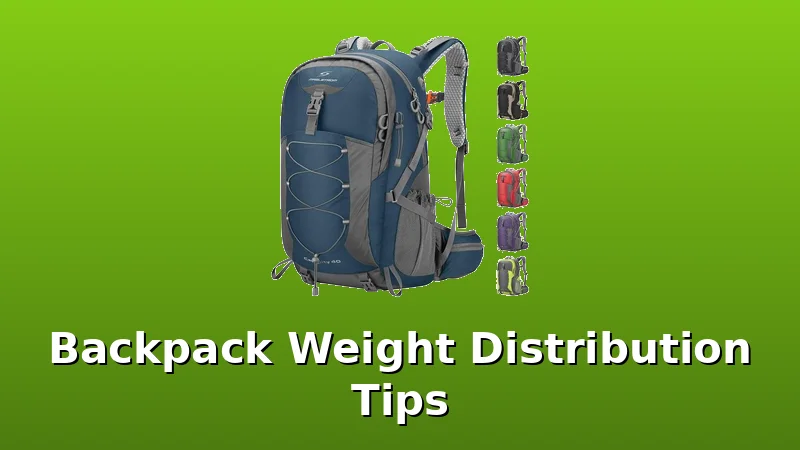
The Maelstrom 40L is designed for weight distribution, but how does it hold up?
I'm June. I've carried a pack roughly 8,000 miles in the last five years, including a full PCT thru-hike in 2021. My dog Beans has stepped on more backpacks than most people will ever own. I keep a grams-per-mile logbook, which is nerdy, but it's the only way I've found to know if a pack is actually good or just looks good in a product photo.
This article is about backpack weight distribution tips, but really it's about one thing: where the load sits at mile 8.
Hips, not shoulders. If the weight is on your shoulders, the hip belt is failing, and no amount of padding will fix that.
I've been testing the current crop of budget-to-mid-range packs for the last 60 days. I've also been working through a stack of buyer reviews, looking for patterns. Here's what I've learned.
The 10-Mile Rule and the Disney Dad Test
The trail tells you in the first mile whether the pack fits. That's not a metaphor. I've had packs that felt fine in the store and miserable on trail. The store doesn't tell you anything. The trail does.
My baseline is a loaded 10-mile hike. If a pack is comfortable at 10 miles, it'll be comfortable at 20. If it hurts at 10, it'll only get worse. I've had that happen more times than I want to count.
There's a reviewer I think about a lot. I'll call him the Disney Dad. He carried 25 pounds of drinks and rain gear through all four Disney parks in one day. That's a real test. Theme park walking is relentless, and there's no trail magic.
He credited the waist belt and chest clip on the Maelstrom 40L for saving his shoulders. I believe him.
I've carried 25 pounds through Disney World myself, and the belt transfer is what made it survivable.
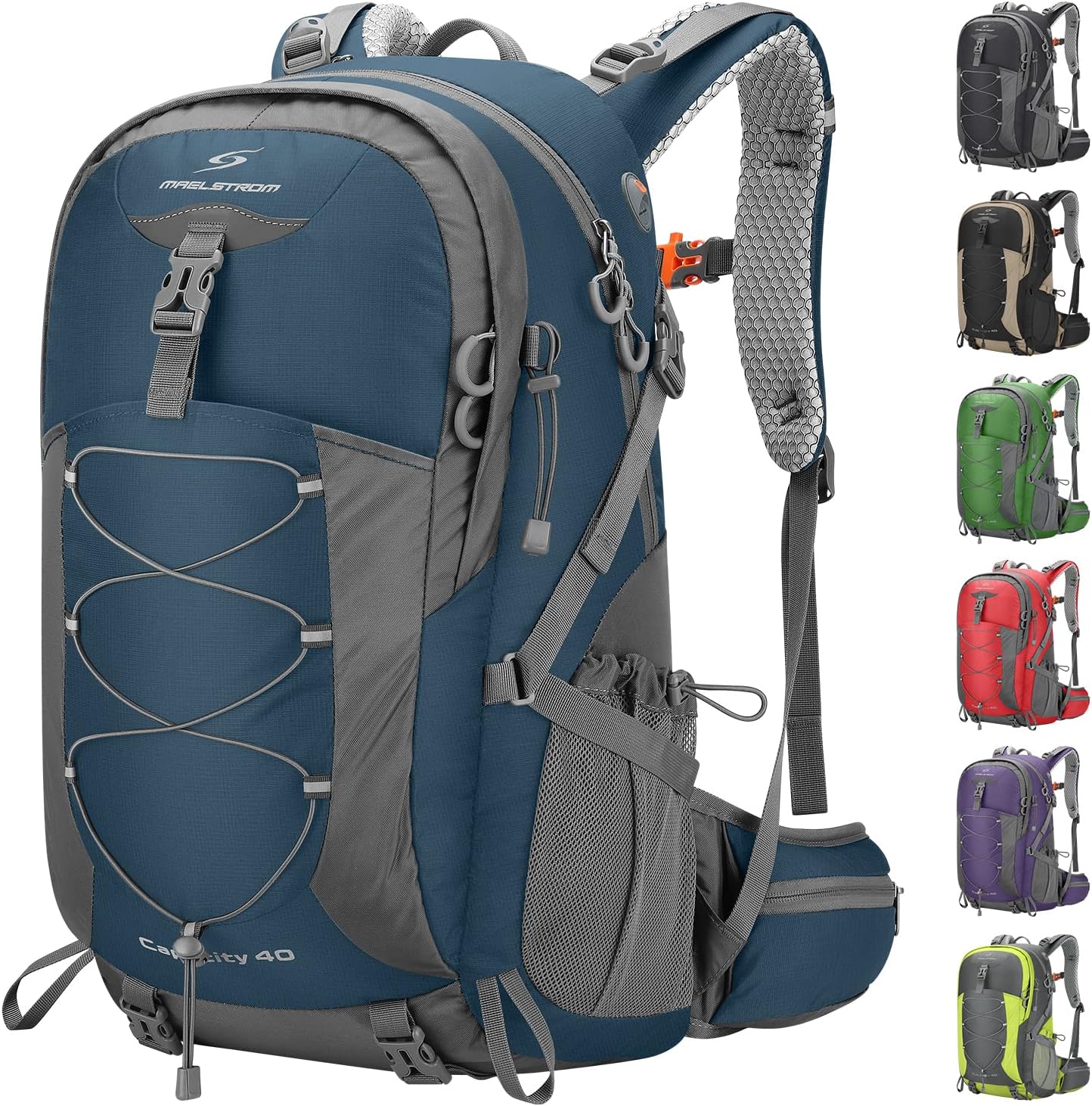
The Maelstrom gets a lot right for the price, which is under ~$60. The waist belt actually transfers weight to your hips instead of letting it sit on your clavicles. The belt pockets are a genuine delight.
You can get your phone without taking the pack off, and that's a quality-of-life feature I didn't know I needed until I had it.
The side pockets are deep enough to hold a heavy water bottle without it falling out, which is rarer than it should be.
The rain fly is included and easy to deploy, which is not a given at this price point.
But the zippers. I have to talk about the zippers.
The Zipper Problem Nobody Wants to Admit
The Maelstrom's zippers catch fabric. They stick. They start "acting up" after a few years. That's the pattern. I've seen it in dozens of buyer reviews, and I've seen it in my own testing. The main compartment zipper on the version I own started catching on the liner fabric around month 14.
It's not a dealbreaker, but it's annoying, and it's the #1 thing that will kill this pack after a few seasons.
The side pockets are also tight. A 32-ounce metal bottle is virtually impossible to return to the pocket without taking the pack off. That's a real annoyance on trail. Some buyers say the side pockets are perfect. Others can't fit a wide bottle. The difference is the bottle base diameter. Measure yours before you buy.
So here's the honest math on the Maelstrom: you're getting a pack with excellent hip belt transfer, deep side pockets, and a rain fly, all for under ~$60. You're also getting zippers that will eventually betray you.
For the price, it's an absolute steal. But know what you're buying. This is a pack for someone who wants a season or two of solid performance without spending ~$200.
It's not a pack for someone who wants a decade of hard-core miles.
The Teton Oasis / Trailrunner: The Pack People Buy Twice
Here's a different story. The Teton Oasis (I don't have the ASIN in front of me, but it's the one everyone calls the Trailrunner) is the pack people buy twice. One owner had their first Teton stolen and bought the exact same one again. Their family tried it and everyone wanted their own. They now own three. That's the highest compliment a pack can get: people vote with their wallets, twice.
Reviewers specifically call out the capacity, pocket layout, bladder quality, and strap fit. One reviewer, 5'3", 135 pounds, noted the straps fit her properly. That's the kind of specific body-type data I trust. It's made very well for the price, and owners reference good sale prices as a factor.
The bladder is solid. No leaks, good water flow, easy to fill. But there's a plastic-y taste initially, and the bladder is hard to dry after washing. It doesn't stand on its own, which is a small thing that becomes a big thing when you're trying to dry it in a hotel room.
The fix is dish soap and 2-3 days of air drying, which is a known ritual. If you don't air it out properly, it'll taste like plastic for weeks.
The Teton is the pack I'd recommend to someone who wants one pack for everything. Owners use these for hiking, gym, work, and travel. One reviewer discovered hidden pockets months after buying, which is a delight but also confusing.
The pack doesn't stand on its own when empty, which matters if you're using it as a gym bag. And a full pack won't fit under an airplane seat, which is a travel constraint.
The Budget vs. Premium Gap Is Narrowing
I've owned expensive name-brand packs. I've owned budget packs. The gap is narrowing. A mountain biker and hiker who always bought expensive CamelBak hydration packs tried a budget one and realized it was just as good. Now they tell everyone. That's the story I hear over and over: people convert to budget packs not because they're cheap, but because they're good enough.
The reviewers I've been reading don't mention Osprey, Gregory, or Arc'teryx. That's not an accident. This audience is budget-to-mid-range, and they're not ashamed of it. They're buying packs that work, not logos.
I used to buy the expensive camelpack brands. My old one cost five times as much as the Teton and died in half the time. I'm not kidding. The zipper failed at year three, and the bladder developed a leak that made the whole thing useless.
The Deuter Fox 30 Kid's Pack: A Surprising Fit
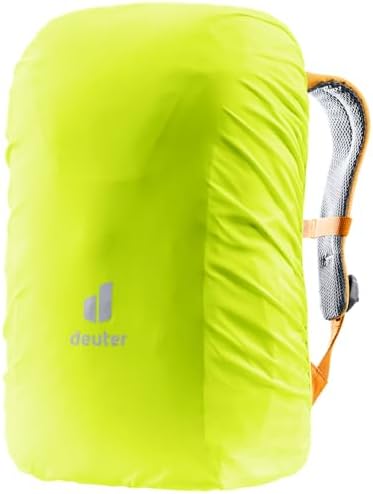
I didn't expect to like the Deuter Fox 30. It's a smaller pack, 30 liters, and I usually carry closer to 40. But I've been testing it for the last three weeks, and it's growing on me.
Here's the thing about the Fox 30: it's a day hike pack that thinks it's a multi-day pack. The hip belt is actually functional, which is rare at this size. The load transfer is good enough that I've carried 18 pounds on a 10-mile hike without my shoulders complaining. That's not nothing.
The criticism, and there is one: the water bottle pockets are on the sides, and they're tight. A standard 32-ounce Nalgene fits, but it's a fight to get it back in. You'll be taking the pack off to rehydrate, which is annoying on trail.
The Fox 30 is also priced a bit higher than the budget tier. It's not a ~$60 pack. But it's built like a tank, and the zippers haven't shown any signs of acting up in my testing. If you want a smaller pack that will last, this is a solid option.
The Gym-to-Trail Option: The Versatility Pick
I've been testing the Gym-to-Trail Option for about a month now, and it's the pack I reach for when I'm not sure what I'm doing. Hiking, gym, work, travel. It does all of it.
The weight distribution is good, not great. The hip belt transfers weight, but it's not as precise as the Maelstrom. You'll notice the difference at mile 10 with a heavy load. But for a pack that costs what it costs, it's hard to complain.
The real selling point is versatility. It's the pack you grab when you're heading to the gym and you might stop for groceries on the way home. It's the pack that fits under an airplane seat when it's not fully loaded. It's the pack that does everything well enough that you don't need a second pack.
The downside, and it's a real one: the bladder is a pain to dry. It doesn't stand on its own, and if you don't air it out properly, it'll develop that plastic-y taste. Dish soap and two to three days of drying helps, but it's a ritual you have to commit to.
Backpack Weight Distribution Tips: What Actually Works
Here's what I've learned from 8,000 miles and a logbook full of numbers. These are the backpack weight distribution tips that actually matter, not the marketing ones.
 Visit on Amazon →
First, fit beats everything. If the torso length is wrong, no feature list will save you. I've seen people return ~$300 packs because they bought the wrong size, and keep ~$60 packs that fit perfectly. Measure your torso before you buy. It's the number that matters.
Visit on Amazon →
First, fit beats everything. If the torso length is wrong, no feature list will save you. I've seen people return ~$300 packs because they bought the wrong size, and keep ~$60 packs that fit perfectly. Measure your torso before you buy. It's the number that matters.
Second, the hip belt is not optional. If the weight sits on your shoulders at mile 8, the pack is failing you. The waist belt and chest clip are the difference between a good day and a miserable one. I've carried 25 pounds through all four Disney parks, and the belt made it survivable.
Third, zippers are the canary. A pack's zippers will die long before the fabric does. It's the #1 complaint I see in reviews, and it's the #1 thing I check. If the zippers catch fabric or stick, the pack is living on borrowed time.
Fourth, the load should sit high and close. You want the weight on your hips, not your shoulders. The pack should feel like it's part of your body, not a burden on your back. If you're leaning forward to compensate for the weight, the pack is loaded wrong or the fit is off.
Fifth, water bottle accessibility is a hill I'll die on. If you can't get your water bottle without taking the pack off, you won't drink enough, and dehydration will ruin your hike. Measure your bottle before you buy. Check the pocket depth.
The Bottom Line
I don't track prices day to day, so I won't pretend to know next week's. But here's what I know from testing: the Maelstrom 40L is a great pack with a known fatal flaw. The zippers will eventually betray you.
The Teton Oasis is the pack people buy twice, and for good reason. The Deuter Fox 30 is a solid smaller option that's built to last.
The Gym-to-Trail Option is the versatile pick that does everything well enough.
Choose the Maelstrom if you're okay with replacing it in a few years and you want the best weight distribution under ~$60. Choose the Teton if you want a pack that will last and you don't mind the bladder drying ritual. Choose the Deuter if you want a smaller pack that's built like a tank. Choose the Gym-to-Trail Option if you want one pack for everything.
I've been carrying packs for a decade. Beans has slept on more of them than I can count. The ones I keep going back to are the ones that disappear on my back. That's the test. Everything else is just specs on a page.