Shopping for day hiking backpacks usually starts with a spec sheet and ends with a return label. The pack that looked perfect in the product photos rides up onto your waist by mile three, the side pockets sit exactly where your arms swing, and the hip belt that was supposed to carry the load turns out to be decoration. I have carried a backpack roughly 8,000 miles in the last five years, including a thru-hike of the Pacific Crest Trail, and the same lesson keeps repeating itself: fit beats features. Torso length, hip belt placement, and how the load sits at mile eight matter far more than a feature list. This guide compares six packs that cover very different jobs, from a foldable 20L stuffable pack to a 65L load hauler, so you can match the pack to the trip you actually take.
Related: How to Measure Torso Length Before Buying a Hiking Backpack
Quick answer
The Gregory Nano 18L Day Hiking/Commuter Backpack, One Size Fits All, Moab Tan is the strongest fit for most day hiking and everyday commuting because its 18L body and simple layout suit a short trail outing and a workday carry equally well. Choose the Gregory Swift 16L H2O Women's Day Hiking Backpack, Foam Backpanel, 2L Water Reservoir Included, Xeno Black instead when you want a women's-specific daypack with a water reservoir included from the start.
Hiking backpacks worth comparing
Gregory Nano 18L Day Hiking/Commuter Backpack, One Size Fits All, Moab Tan
Check current Amazon price
An 18L pack aimed at both day hiking and commuting, offered in a single one-size configuration and a Moab Tan colorway.
Visit on Amazon
Gregory Swift 16L H2O Women's Day Hiking Backpack, Foam Backpanel, 2L Water Reservoir Included, Xeno Black
Check current Amazon price
A women's-specific 16L day hiking pack with a foam backpanel and a 2L water reservoir included, in the Xeno Black colorway.
Visit on Amazon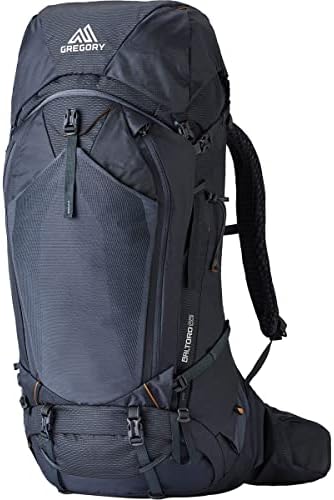
Gregory Baltoro 65L Backpacking Pack, Small, Alaska Blue
A 65L backpacking pack offered in a Small torso size and Alaska Blue, built around the needs of multi-day loads rather than short outings.
Visit on Amazon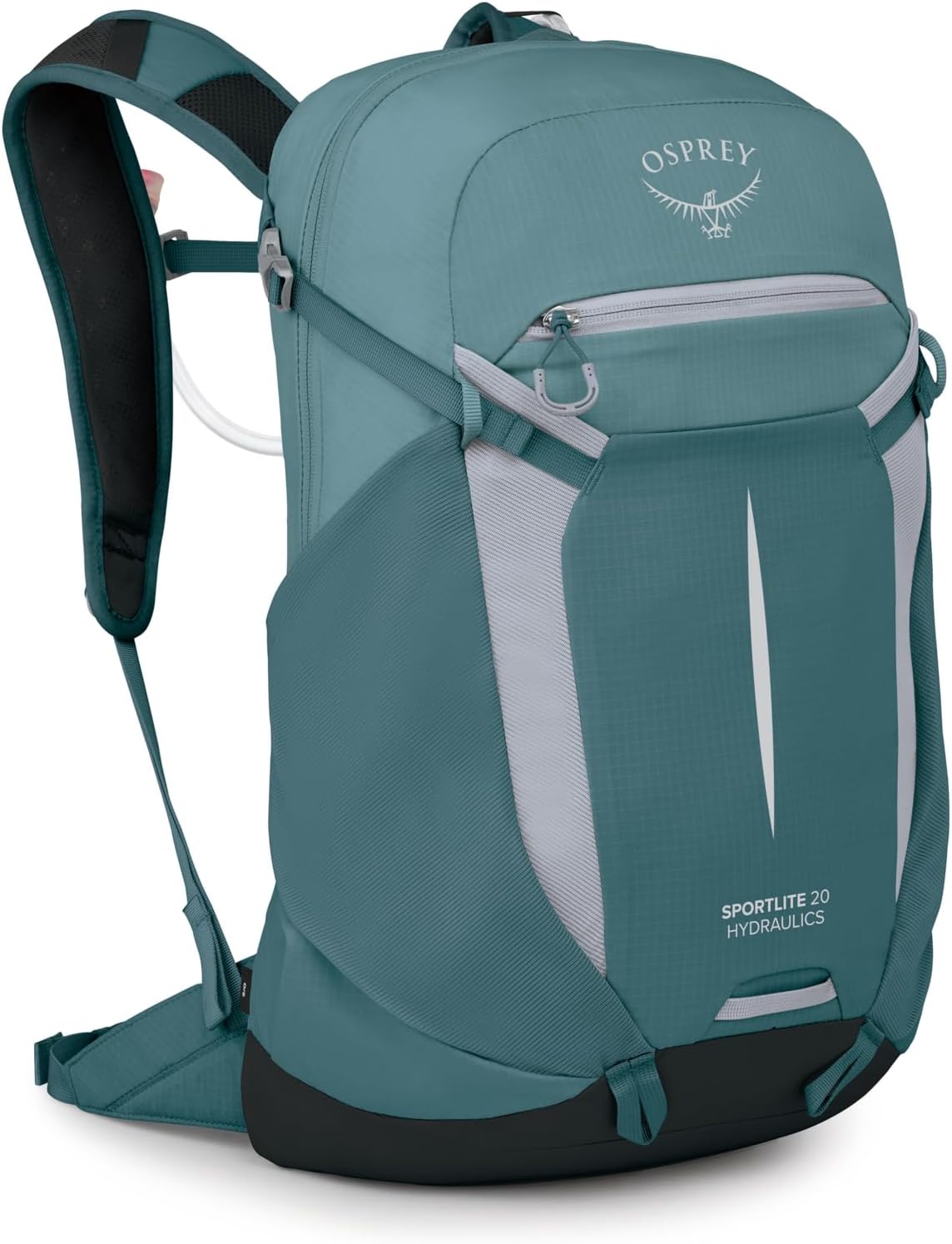
Teton Oasis/Trailrunner Hydration Backpack, Lightweight Water Pack with 2L/3L Bladder for Hiking, Running, Cycling, Biking 18L/22L Sizes, Sewn-in Rain Cover, Fits Men and Women
A hydration-focused pack sold in 18L and 22L sizes with a 2L or 3L bladder option and a sewn-in rain cover, sized to fit men and women.
Visit on Amazon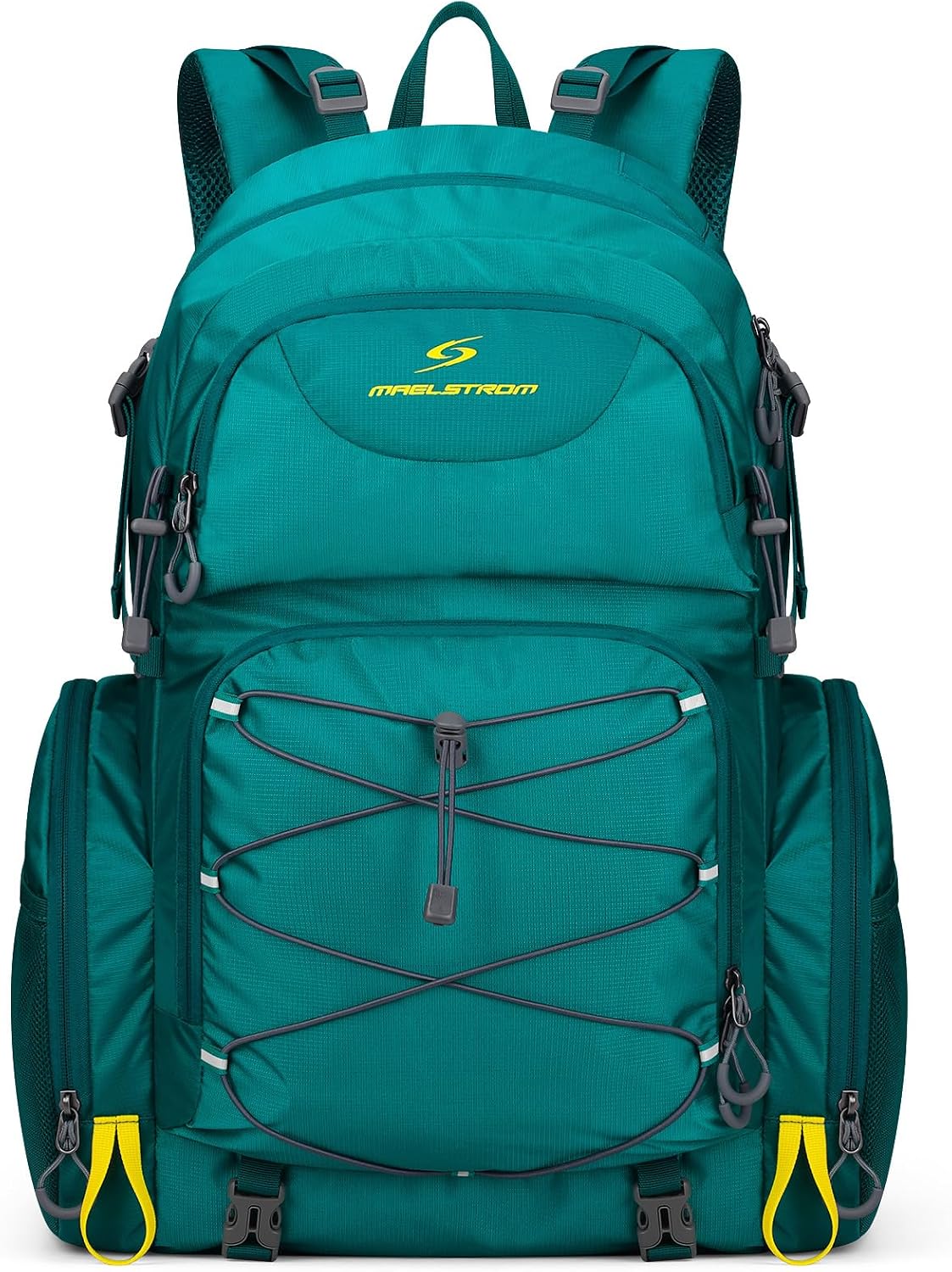
WATERFLY Small Lightweight Packable Backpack: 20l Hiking Daypack Man Woman
A small, lightweight packable 20L daypack for men and women, designed to fold down small when it is not in use.
Visit on Amazon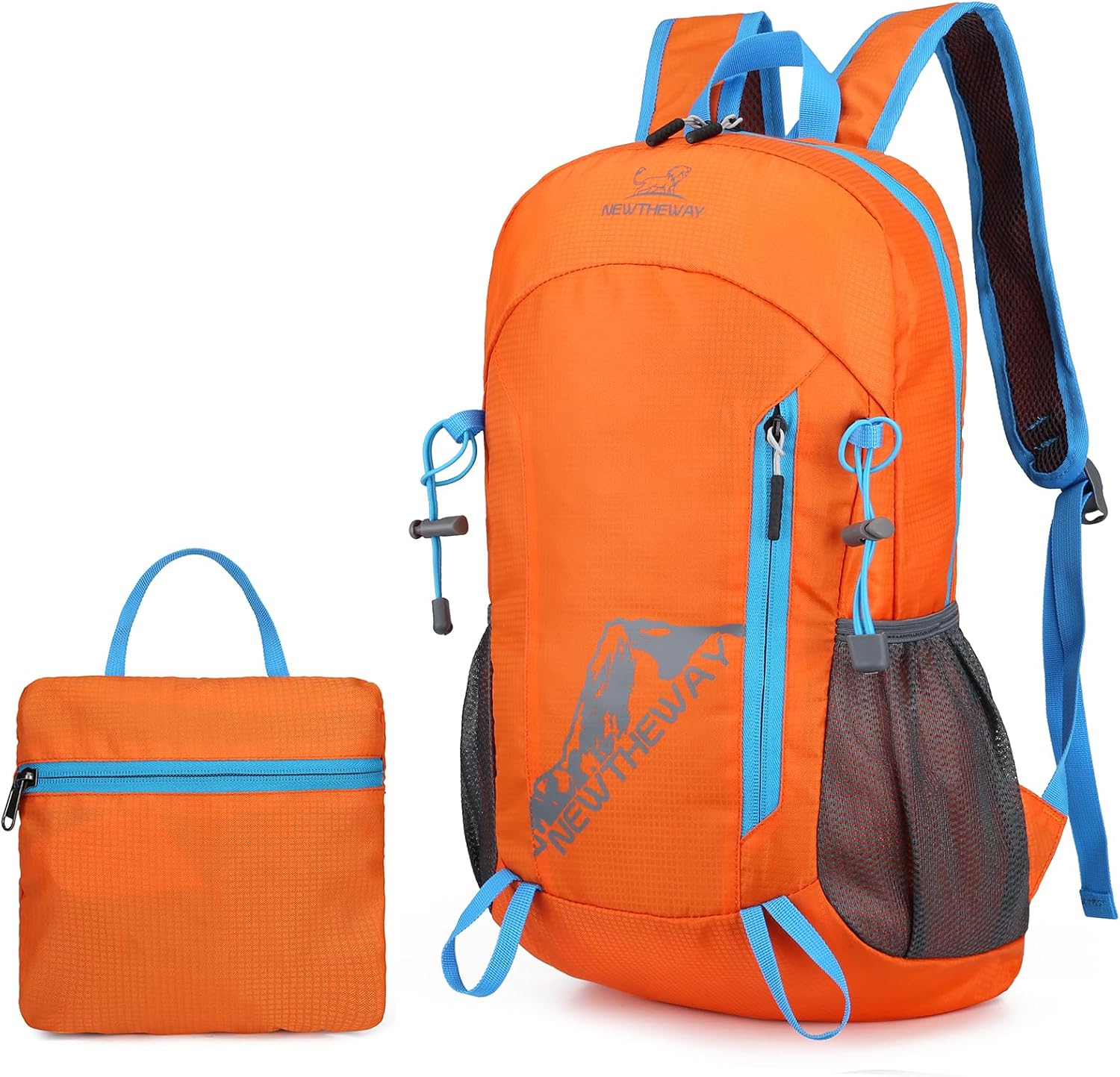
Hiflyer Small Hiking Backpack for Women Men, 20L Foldable Backpack Travel Hiking Essentials Camping Essentials, Lightweight Back Pack for Travel Camping Outdoor Commute (Orange)
A foldable 20L pack for women and men in Orange, positioned for travel, hiking, camping, and commuting rather than heavy loads.
Visit on AmazonPrices and availability may change. Check the retailer for current details.
How these products were compared
This guide compares capacity and intended use, hydration setup, fit and sizing approach, carry style and structure, and included extras such as rain covers and reservoirs. Product names, images, and retailer links are matched by product identifier so that every card points to the product shown.
Nothing here is presented as hands-on testing of these specific packs. The distinctions below come from the published product details and from general pack-fitting practice, and the buying advice comes from the same fit-first approach I use at the fitting table. Prices and availability change constantly, so use the link on each card to confirm current details before you commit.
How to choose the right hiking backpack
Start with the trip, not the pack. Capacity is the easiest filter: a 16L to 20L pack covers a half day to a full day out with a layer, water, snacks, and a small first aid kit. An 18L to 22L pack adds room for a camera or a bigger lunch, and a 65L pack is a different category entirely, meant for overnights and multi-day trips where you carry shelter and a sleeping system. Buying a 65L pack for day hikes usually means carrying empty volume, and buying a 16L pack for an overnight means strapping things to the outside, which is exactly where gear gets lost.
The second filter is fit, and fit starts with torso length, the measurement from the base of your neck to the top of your hip bones. Torso length decides whether a pack's hip belt lands on your iliac crest, where it can carry weight, or slides up onto your waist, where it cannot. That single measurement matters more than any feature on this page. After torso length, look at how the pack is sized: a women's-specific model like the Swift 16L is built around a different torso and hip proportions than a unisex pack, and a pack sold in one size only fits the range of bodies that size was designed for. If you are between sizes or unsure, measure before you order. Our guide to measuring torso length walks through the process with a tape and a friend.
Hydration is the third decision point, and it splits these packs cleanly. Two of the packs here include a reservoir, one is sold with a bladder option in two sizes, and the rest expect you to bring your own bottles or bladder. If you already own a reservoir, paying for a second one is wasted money. If you are starting from zero, a pack that includes one saves a separate purchase and removes the guesswork about which bladder fits the sleeve. Rain protection follows the same logic: one pack in this group ships with a sewn-in rain cover, and the others do not, which is worth noting in the Pacific Northwest where a dry forecast is a rumor.
Gregory Nano 18L Day Hiking/Commuter Backpack, One Size Fits All, Moab Tan
The Nano 18L sits in the sweet spot for most people reading this: enough volume for a real day hike, small enough that it does not swallow you on a commute or a walk through town. It is positioned for both hiking and commuting, which is a rare combination that usually means a clean, simple layout instead of a maze of straps. For the person who hikes on Saturday and takes the same pack to the office on Monday, that versatility is the whole point.
The trade-off is in the name. One size fits all means the torso range is fixed, so if your torso falls outside that range, no amount of strap adjustment will put the hip belt where it needs to be. That is not a flaw specific to this pack, it is how single-size packs work, and it is the reason I tell people to measure first and shop second. This pack also does not include a reservoir or a rain cover, so budget for those separately if you need them.
Alternatives to consider
The Gregory Swift 16L H2O Women's Day Hiking Backpack, Foam Backpanel, 2L Water Reservoir Included, Xeno Black is better suited to women who want a women's-specific daypack and would rather not shop for a reservoir separately, since the 2L bladder comes in the box. The Gregory Baltoro 65L Backpacking Pack, Small, Alaska Blue is a stronger fit when the trip involves an overnight or several days out and you need real load-carrying capacity rather than a day's worth of room.
The Teton Oasis/Trailrunner Hydration Backpack, the WATERFLY Small Lightweight Packable Backpack, and the Hiflyer Small Hiking Backpack cover the budget and flexibility end of the list. The Teton is the only option here sold in two sizes with a choice of bladder volume and a sewn-in rain cover, which makes it the most self-contained setup for hiking, running, or cycling. The WATERFLY and the Hiflyer are both 20L packable designs, which means they fold down small enough to live in a luggage compartment or a larger pack as a summit bag, a travel daypack, or an emergency layer for a trip where you did not plan to hike. Neither is built for weight, and neither should be asked to carry a full day of gear on a rough trail.
Day-to-day use and maintenance
Packable and lightweight packs ask for gentler handling than a framed hauler. Empty them after every trip, shake out crumbs and grit, and wipe the inside with a damp cloth rather than putting them through a washing machine, which is hard on coatings, zippers, and seam tape. Hang them to dry fully before storage, because a pack stored damp grows mildew that never really leaves. For any pack with a reservoir, rinse the bladder with warm water after use, let it dry open and upside down, and skip the sugary drink mixes that turn a clean bladder into a science project.
Zippers are the first thing to fail on a budget pack, so keep them clean and do not force them past a snagged load. Check the hip belt and shoulder strap stitching periodically, especially if you regularly load a pack near its comfortable limit. If your pack came with a rain cover, keep it in the pack rather than at home, since the day you need it is the day you left it in the car. And if a pack never sits right no matter how you adjust it, stop adjusting and start measuring, because the problem is usually torso length rather than technique.
Buying checklist
- Measure your torso length before comparing any pack.
- Choose capacity based on your normal trip, not an occasional edge case.
- Confirm whether the exact model includes a reservoir, a bladder option, or neither.
- Check whether the pack is women's-specific, unisex, or sold in a single size.
- Confirm whether a rain cover is included or sold separately.
- Read the cleaning and care instructions before the first trip.
- Verify the current retailer price, availability, and return terms through the card link.
Final recommendation
Choose the Gregory Nano 18L Day Hiking/Commuter Backpack, One Size Fits All, Moab Tan when you want one pack that handles a day hike and a workday, and your torso falls within its single-size range. Choose the Gregory Swift 16L H2O Women's Day Hiking Backpack, Foam Backpanel, 2L Water Reservoir Included, Xeno Black when a women's-specific fit and an included reservoir matter more than the extra two liters. Step up to the Baltoro 65L only when the trip is genuinely an overnight, and drop to the packable 20L options when the pack is a backup rather than your main carry. If none of those distinctions match how you actually use a pack, that is your signal to keep looking rather than to buy the wrong one.