Most people shopping for hiking backpacks start with a capacity number and work backward from there. That is the wrong order. Capacity tells you how much a pack holds. It says nothing about whether the load will sit on your hips at mile eight or ride on your shoulders like a sack of groceries. Torso length, the shape of the harness, and the job you bought the pack to do matter more than the number printed after the model name.
This guide covers six products that solve very different problems: a 6-liter mini daypack for short local walks, a 14-liter child's pack, a hydration pack sized for running and cycling, a 40-liter daypack, a 65-liter internal-frame pack for multi-day trips, and one storage item that belongs in the same gear closet. The goal is not to crown a single winner for every hiker. It is to help you match a pack to the trips you actually take, so you are not carrying an expedition pack on a two-hour walk or a 6-liter bag on an overnight.
Related: How to Measure Torso Length for a Hiking Backpack
Quick answer
The Maelstrom 40L Hiking Backpack, Lightweight Camping Daypack with Rain Cover is the strongest fit for long day hikes and lightweight overnights because it offers the most broadly useful capacity in this set and ships with a rain cover included. Choose the Teton 65L Explorer Internal Frame Backpack for Hiking, Camping, Backpacking, Rain Cover Included, Olive instead when you need multi-day capacity and an internal frame to carry it.
Hiking backpacks worth comparing
The six listings below span roughly 6 to 65 liters, which means the differences that matter are capacity, intended user, and included weather protection rather than brand prestige.
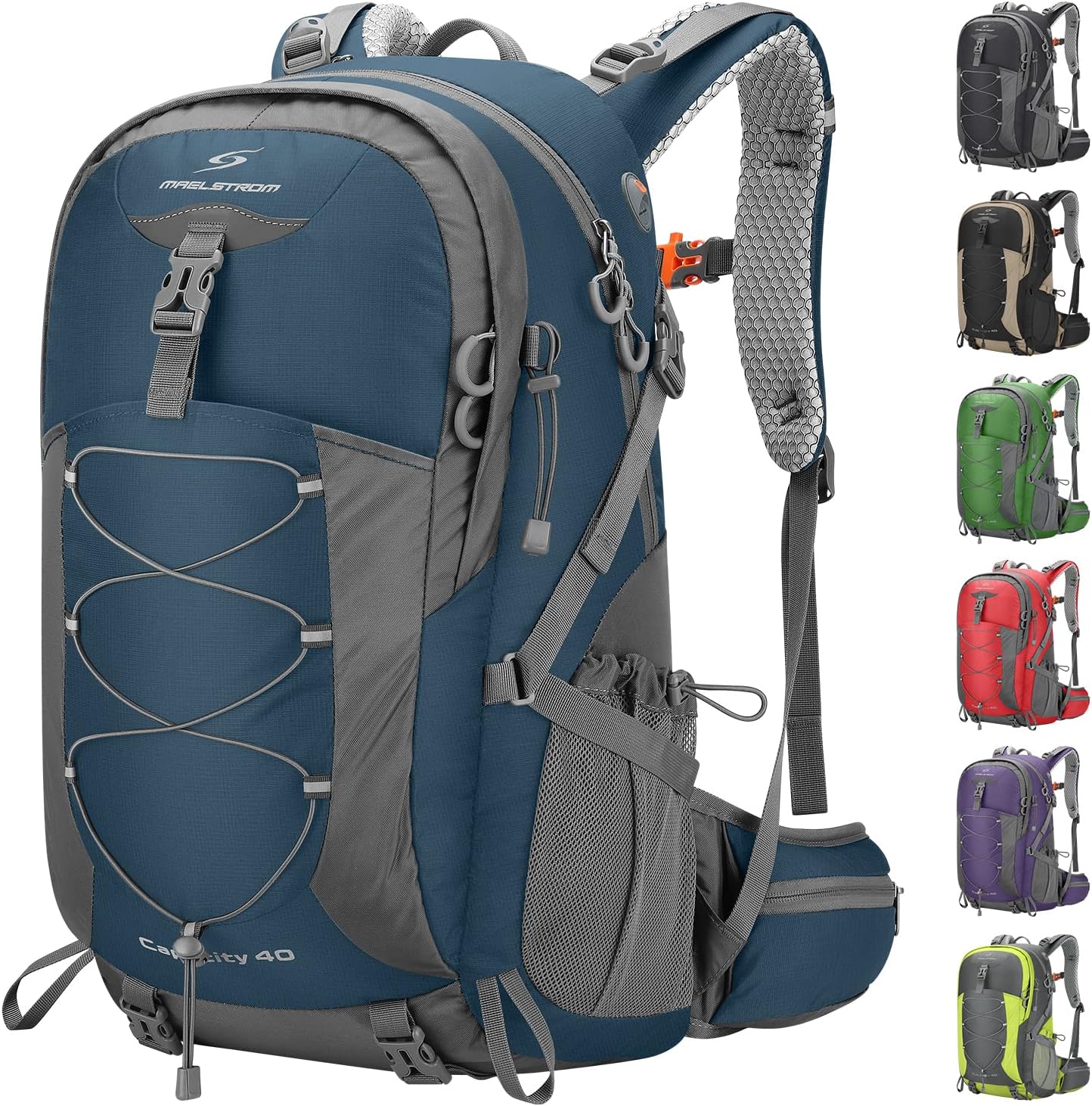
Maelstrom 40L Hiking Backpack, Lightweight Camping Daypack with Rain Cover
A 40-liter pack listed as lightweight and supplied with a rain cover, which makes it the most versatile capacity here for long day hikes and light overnight trips.
Visit on Amazon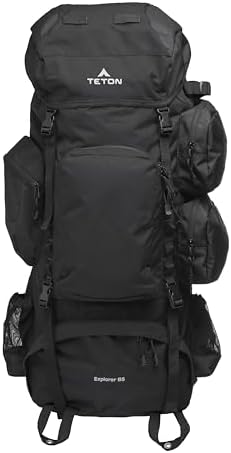
Teton 65L Explorer Internal Frame Backpack for Hiking, Camping, Backpacking, Rain Cover Included, Olive
A 65-liter internal-frame backpacking pack with a rain cover included, sized for multi-day trips where the load is heavy enough that the frame earns its weight.
Visit on Amazon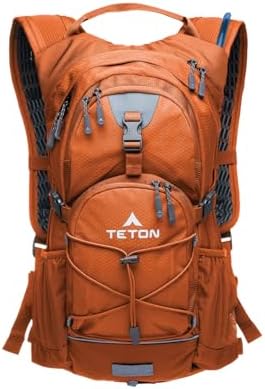
Teton Oasis/Trailrunner Hydration Backpack, Lightweight Water Pack with 2L/3L Bladder for Hiking, Running, Cycling, Biking 18L/22L Sizes, Sewn-in Rain Cover, Fits Men and Women
A hydration-focused pack offered in 18L and 22L sizes with a 2L or 3L bladder option and a sewn-in rain cover, designed to fit both men and women.
Visit on Amazon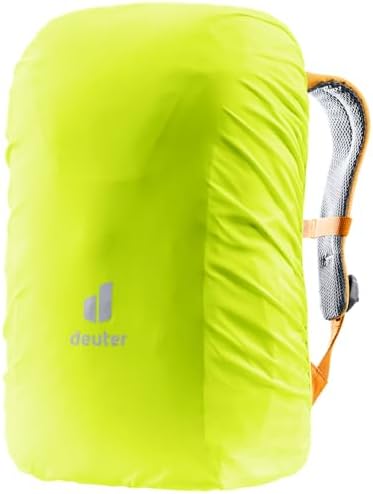
Deuter Unisex Child’s Forest Fox 14, Hiking Backpack, 14 Liter - Spearmint-Seagreen
A 14-liter child's hiking backpack from Deuter in a spearmint and seagreen colorway, listed as unisex and sized for younger hikers rather than adults.
Visit on Amazon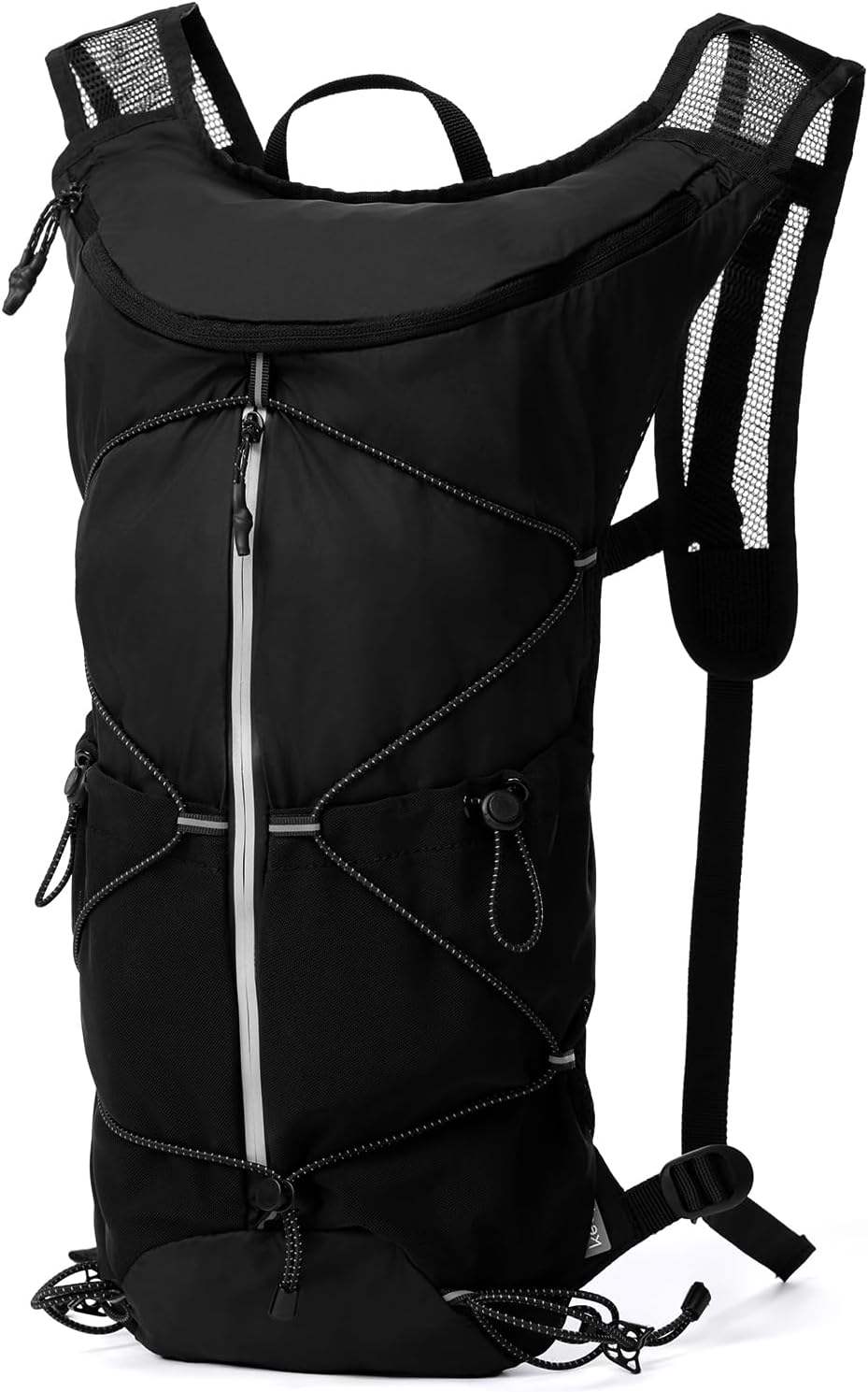
KEEP 6L Small Hiking Backpack for Women Mini Lightweight Daypack Hiking Bag Cycling Travel Camping Outdoor Sports Day Pack (BK)
A 6-liter mini daypack for women, the smallest option in this set, aimed at short hikes, cycling, travel, and light outdoor use where a full-size pack is overkill.
Visit on Amazon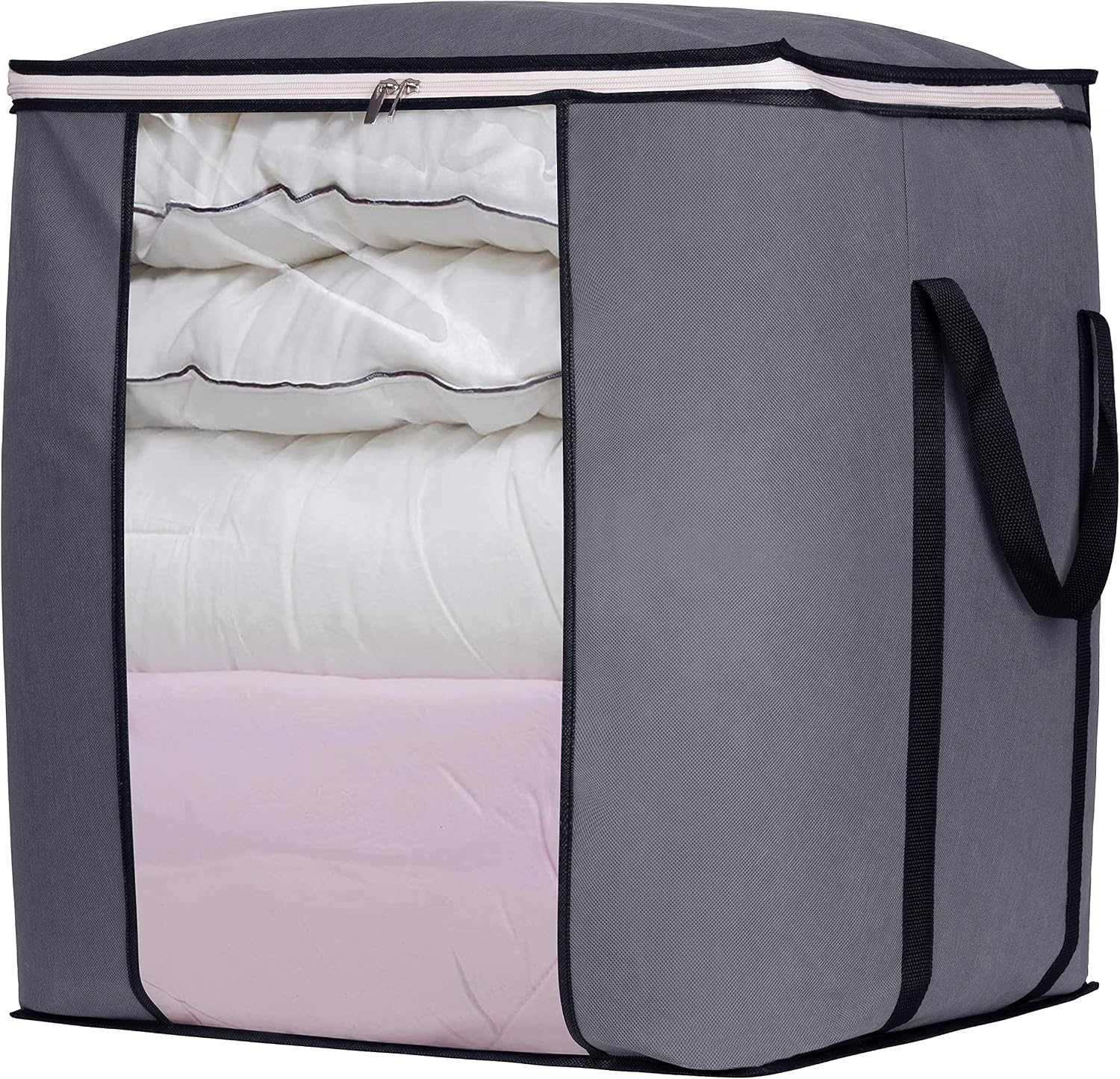
SLEEPING LAMB 120L Extra Large Blanket Storage Bags Breathable Clothes Storage Containers for King Comforter Bedding Pillow Sheet, Reinforced Handles, Grey
A 120-liter breathable storage bag with reinforced handles, built for comforters, bedding, and clothing at home rather than for carrying on trail.
Visit on AmazonPrices and availability may change. Check the retailer for current details.
How these products were compared
This guide compares five things: capacity and the trip length it suits, the carry system named in each listing, whether a rain cover is included, who the product is built for, and what each item is honestly designed to do. Product names, images, and retailer links are matched to the same listing, so every card points to the product shown.
Two of these listings are not hiking packs in the strict sense, and it would be dishonest to pretend otherwise. One is a child's pack, which belongs in this conversation because kids carry loads too and a full-size adult pack on a small frame is a fitting problem, not a bargain. The other is a storage bag, which is useful for keeping sleeping bags, puffy layers, and spare gear organized at home but is not something you wear on a trail. Sorting the list that way is more useful than forcing every item into the same category.
Nothing here is presented as a test result. These are product listing details and general fit guidance, arranged so you can see the differences in one place instead of opening six browser tabs. Specs get revised, stock moves, and prices change constantly. Use the link on each card to confirm current price, sizing options, and availability before you commit.
How to choose the right hiking backpack
Start with the trip, not the liter count. A 6-liter pack holds a phone, a water bottle, a shell, and a snack, which is plenty for a two-hour walk close to home but not enough for a full day. Something in the 14 to 22-liter range covers a half day to a full day for most hikers. A 40-liter pack handles a long day with layers and camera gear, or a very light overnight with minimal kit. A 65-liter pack is where multi-day trips begin, because food, a tent, and a sleeping system take up real volume once you pack them properly.
Torso length is the measurement almost everyone skips, and it is the one that decides whether a pack ever feels right. It runs from the bump at the base of your neck down to the top of your hip bones, and it has nothing to do with your height or your shirt size. Two people the same height can need different pack sizes. If you get this measurement wrong, no amount of adjustment makes the harness sit correctly. You can read a step-by-step walkthrough in our guide on how to measure torso length.
The hip belt is where the load should live. On any pack big enough to get heavy, the belt should sit on the top of your hip bones and carry the majority of the weight, with the shoulder straps doing little more than holding the pack against your back. If a pack's shoulder straps are digging in and the belt is loose or riding up onto your waist, the pack is either the wrong size or the wrong shape for you. Fit beats features every time, and a cheaper pack that fits will outperform an expensive one that does not.
Weather protection is worth checking before you buy rather than after your first rainy trip. Three of the listings here include or describe a rain cover. A cover that fits the pack empty can be a struggle once the pack is full, so if rain is likely on your trips, confirm the cover is included and sized for the capacity you chose.
Finally, match the pack to the person. A child's pack exists because a child's torso is shorter and the load a kid should carry is lighter. Putting a 60-liter pack on a nine-year-old is a fast way to make hiking miserable. Reachable pockets matter too, especially on day hikes where you want a snack or a map without stopping and unshouldering.
Maelstrom 40L Hiking Backpack, Lightweight Camping Daypack with Rain Cover
The Maelstrom 40L is the top pick here because 40 liters is the capacity that covers the most trips for the most people. It is large enough for a full day out with layers, lunch, water, and a first aid kit, and it can stretch to a light overnight if you pack carefully. The listing describes it as lightweight and includes a rain cover, which removes one more purchase from your list and one more thing to remember before a trip.
The trade-off is built into the size. A 40-liter pack is heavier and bulkier than a 6-liter or 14-liter daypack when you are only carrying a bottle and a jacket, so it is not the pack you grab for a quick neighborhood walk. It is also not a substitute for a framed multi-day pack: the listing does not describe an internal frame or a load-transfer suspension, and 40 liters of dense gear carried without that structure will sit differently than the same weight in a framed 65-liter pack. If your trips involve several nights out, the larger pack below is the better starting point.
Alternatives to consider
The Teton 65L Explorer Internal Frame Backpack for Hiking, Camping, Backpacking, Rain Cover Included, Olive is better suited to multi-day trips, where volume and a frame that distributes weight matter more than saving grams. The Deuter Unisex Child's Forest Fox 14 is a stronger fit when the hiker is a kid, since a 14-liter pack built for a child's frame will carry and fit better than any adult pack in this list.
The Teton Oasis/Trailrunner Hydration Backpack covers fast and mobile use, with 18L and 22L options, a 2L or 3L bladder choice, and a sewn-in rain cover for running, cycling, and quick hikes. The KEEP 6L Small Hiking Backpack for Women covers the minimalist end: short hikes, travel, and cycling where a bottle and a few essentials are all you need. The SLEEPING LAMB 120L Extra Large Blanket Storage Bags cover the other half of gear ownership, keeping comforters, bedding, and bulky soft gear stored and breathable at home between trips.
Day-to-day use and maintenance
Empty your pack after every trip. Food crumbs and damp layers left inside are what make a pack smell, and they also attract rodents if you store gear in a garage or shed. Shake out debris, wipe the inside and outside with a damp cloth and mild soap if needed, and let the pack air dry fully before you close it up. Do not put a hiking pack in a washing machine or a dryer; heat and agitation damage coatings, straps, and buckles.
Check the hardware periodically. Run your fingers along the shoulder straps and hip belt looking for loose stitching, and test every buckle and zipper before a trip rather than on the trail. If a buckle cracks, replace it before it fails under load. Store packs hanging or loosely filled in a dry place, and keep rain covers with the pack they belong to so you are not hunting for one in a parking lot as the sky darkens.
Stay within the load the manufacturer states for the pack you own. Overloading a daypack is the most common reason people end up with shoulder pain, and it is also the fastest way to stress seams past their design. Carry water in the way the pack intends, whether that is side pockets or a bladder sleeve, so the weight stays balanced.
Buying checklist
- Measure your torso length before comparing any packs, and write the number down.
- Choose capacity based on your normal trip rather than one ambitious trip a year.
- Confirm whether a rain cover is included and whether it fits the pack when full.
- Decide whether you need a frame and load-transferring hip belt or a simple lightweight daypack.
- For kids, pick a pack sized for a child's torso and keep the load light.
- Read the cleaning and storage instructions so the pack lasts more than a season.
- Verify current retailer price, availability, sizing options, and return terms.
Final recommendation
Choose the Maelstrom 40L Hiking Backpack, Lightweight Camping Daypack with Rain Cover when you want one pack for long day hikes, variable weather, and the occasional light overnight, and you value the included rain cover. Choose the Teton 65L Explorer Internal Frame Backpack when your trips run multiple nights and the load needs a frame under it. Choose the Deuter Forest Fox 14 for a young hiker, the Teton Oasis/Trailrunner for running and cycling, and the KEEP 6L for short trips where anything larger is dead weight. The storage bags are a home organization purchase, not a hiking one, and treating them as such keeps the rest of this list honest.