Osprey calls the AirScape backpanel "next-level comfort." Does a foam ridge actually change how 25 pounds feels at mile 12?
I'm June. I've carried packs roughly 8,000 miles over the last five years, and I work part-time at an outdoor retail shop where I fit people for these things daily. I've owned the expensive name brands and watched them fail, and I've bought budget packs that outlasted them.
The short answer: Osprey's AG suspension is the real deal for load transfer, but the brand's zipper quality and bladder design have me reaching for my under-~$149.95 Teton more often than I expected.
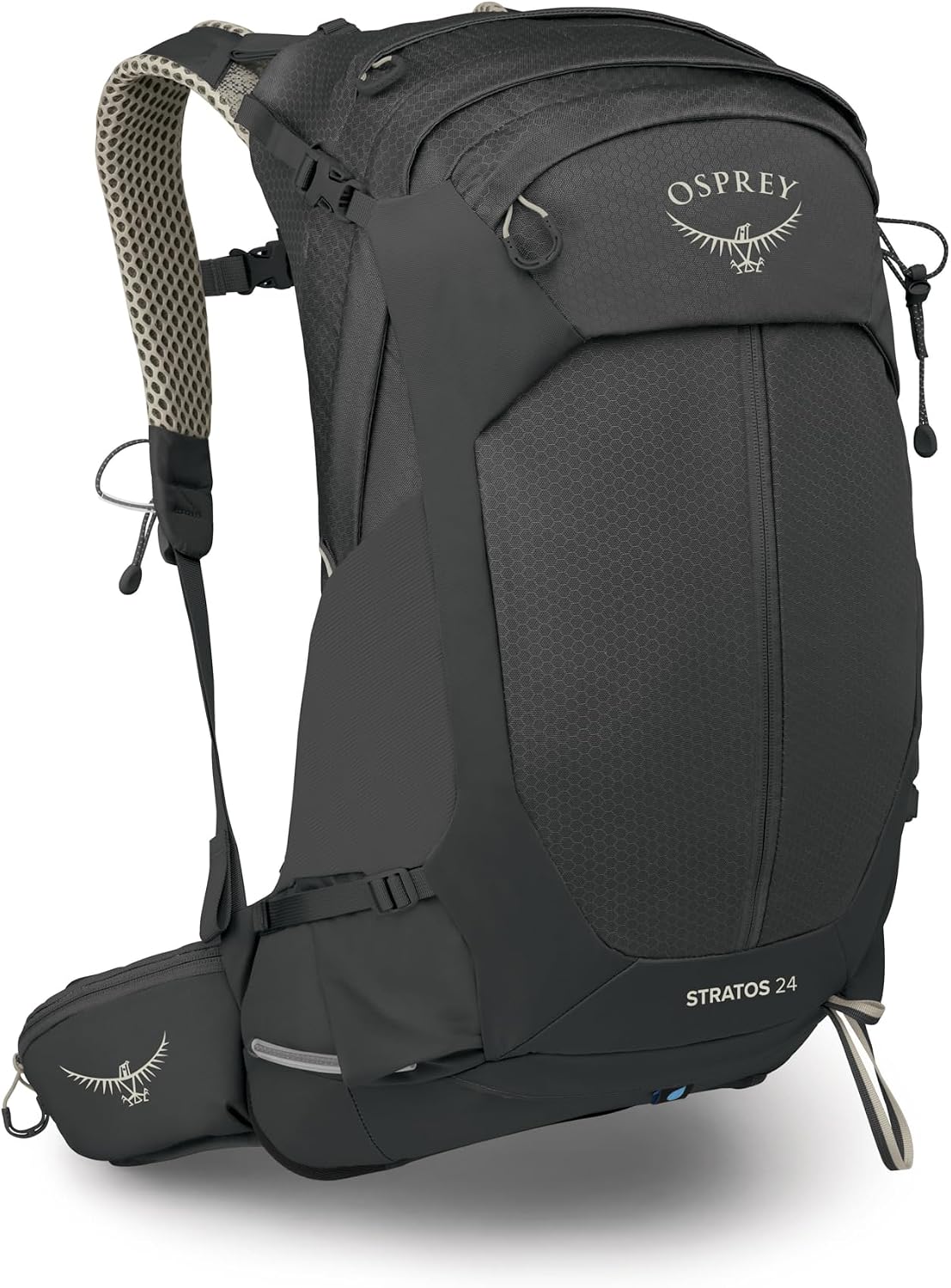
Osprey Stratos 24L Men's Hiking Backpack, Black OS
I'll lead with the problem, because that's what you'll notice first.
Visit on Amazon →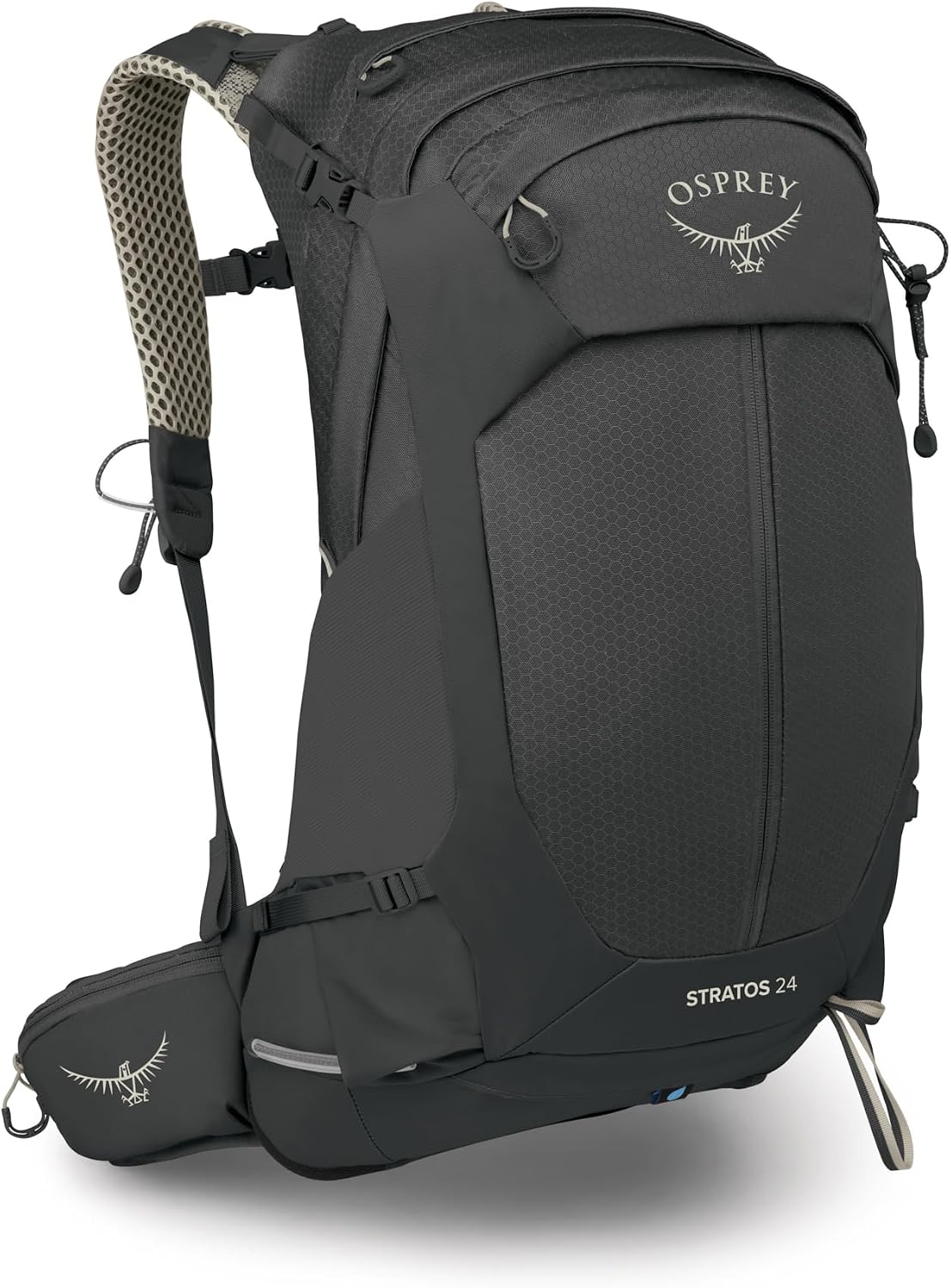
Osprey Hikelite 18L Hiking Backpack, Tan OS
The Osprey Talon™ 22L is a lightweight bag for men, built for full-day hikes, biking, and travel. With a spacious main compartment, dual-zippered hipbelt pockets, top panel pocket, and stretch mesh si
Visit on Amazon →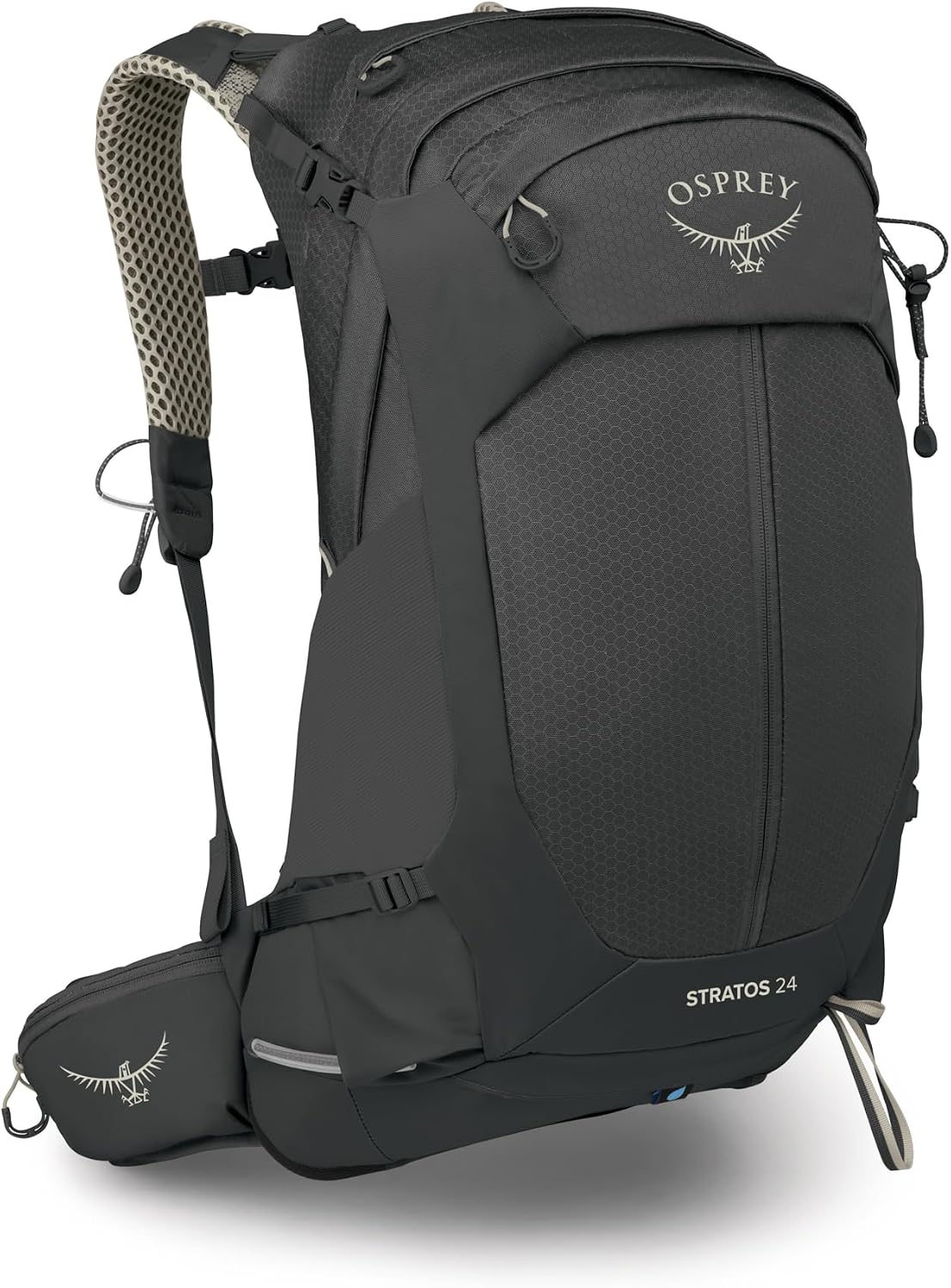
Osprey Rook 65L Men's Backpacking Backpack, Brown OS
The Rook is the pack I've used for multi-day trips where I'm carrying a tent, a stove, and food for a week.
Visit on Amazon →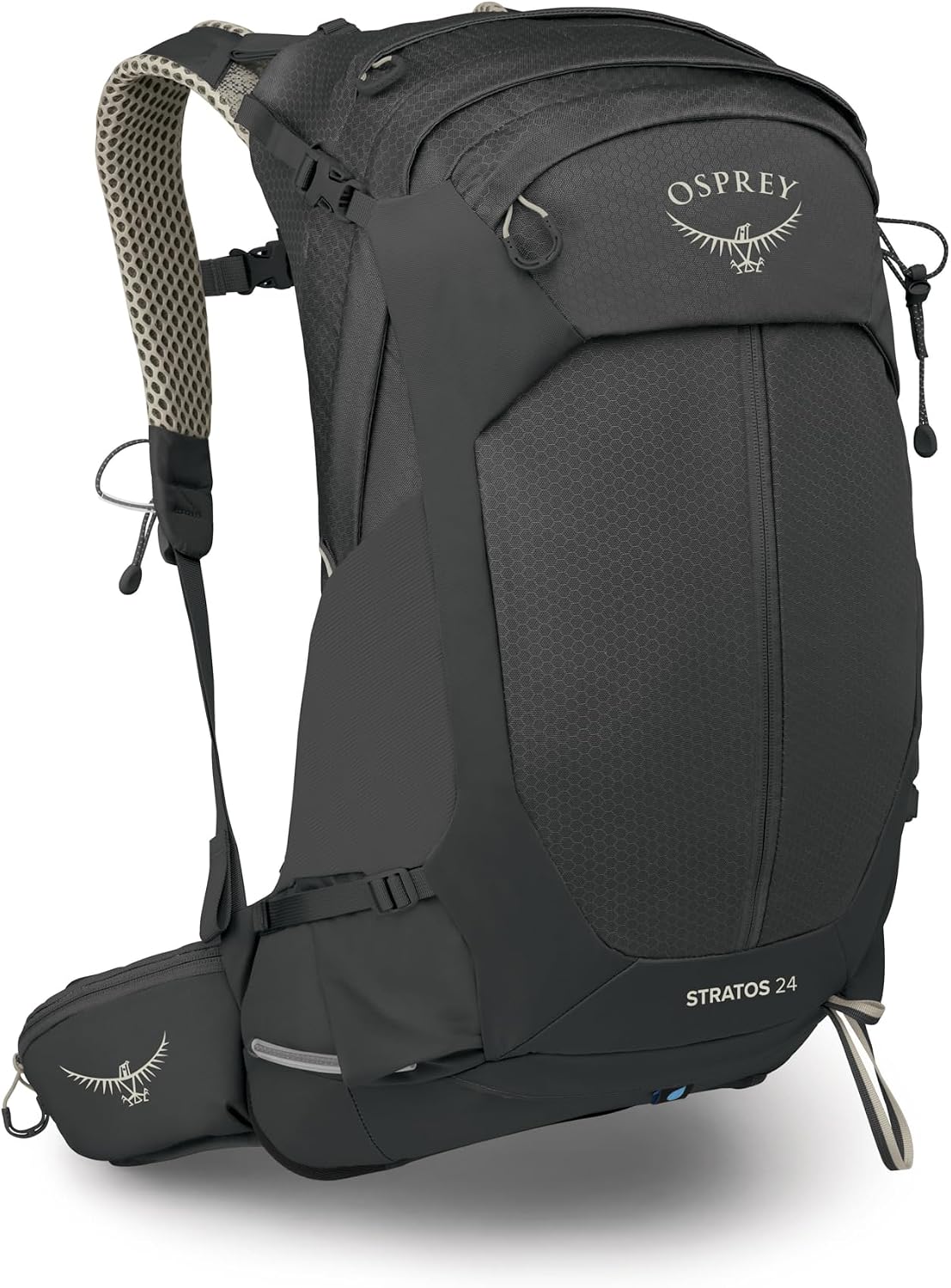
Osprey Hikelite 18L Hiking Backpack, Tan OS
I bought the Hikelite for a different reason than trail use: I wanted a pack that could handle my daily commute and a quick...
Visit on Amazon →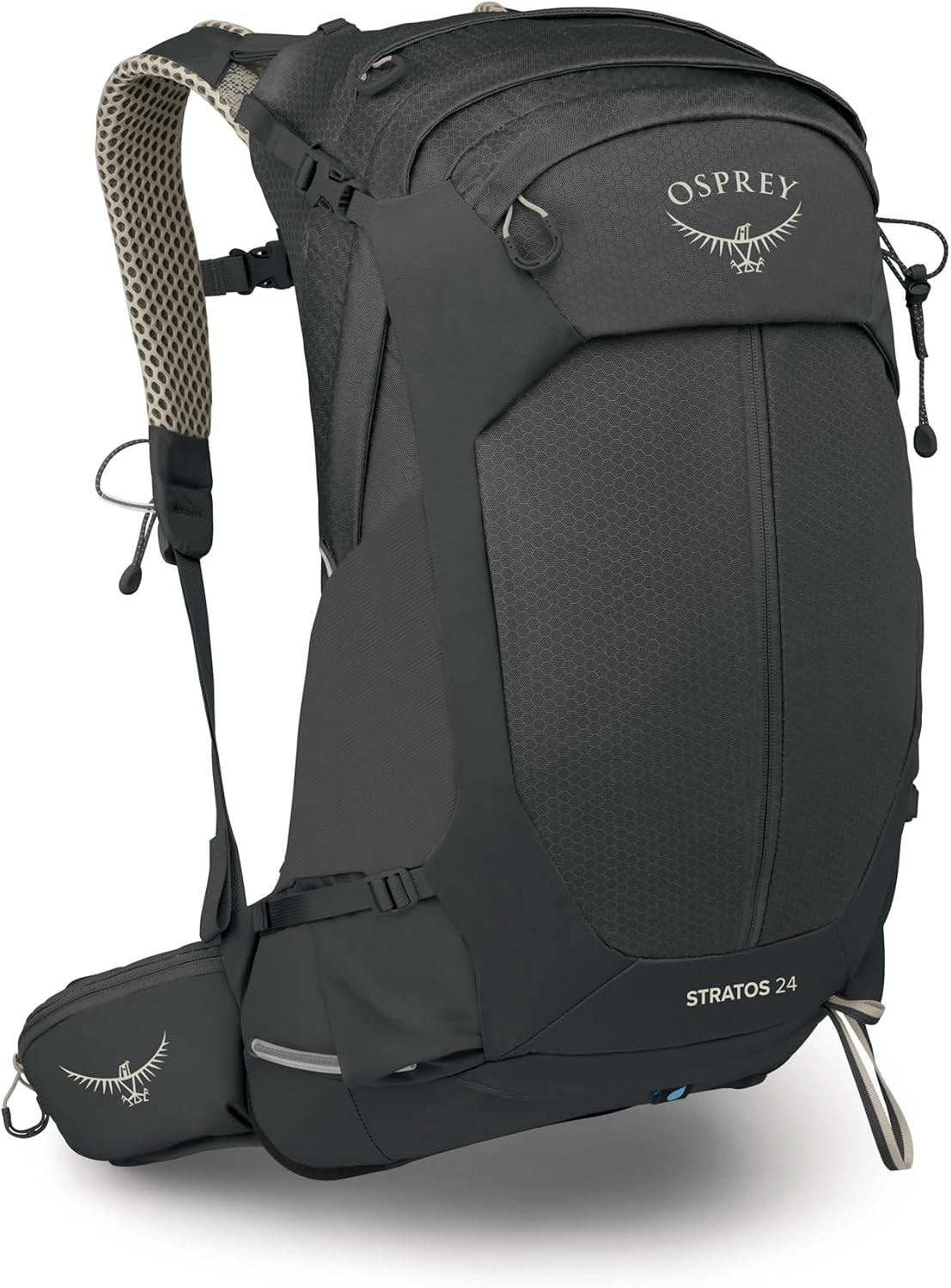
Osprey Sportlite Lightweight Hiking Backpack with Hydraulics Reservoir for Me...
The Sportlite is interesting because it comes with Osprey's Hydraulics reservoir.
Visit on Amazon →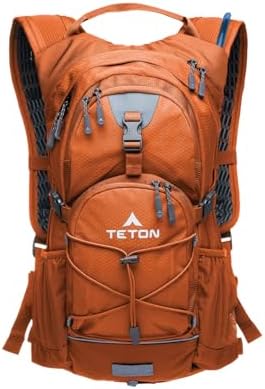
Osprey Tempest 22L Women's Lightweight Hiking Backpack, Green OS
The Osprey Talon™ 22L is a lightweight bag for men, built for full-day hikes, biking, and travel. With a spacious main compartment, dual-zippered hipbelt pockets, top panel pocket, and stretch mesh si
Visit on Amazon →The Stratos 24L: The one I keep reaching for
I'll lead with the problem, because that's what you'll notice first. After about 18 months of regular use, the main compartment zipper on my Stratos started acting up. It catches the fabric liner if I'm not careful, and there's a sticky spot about a third of the way around that requires a firm tug. It's not dead. But it's the first thing I check now, and that's not a good sign for a ~$180 pack.
Here's the thing though. I carried 25 pounds through all four Disney parks in this pack, and my shoulders did not quit. That's the AG suspension doing its job. The Anti-Gravity backpanel is essentially a tensioned mesh that wraps around your torso, and it transfers weight to the hip belt in a way that genuinely surprised me.
At mile 8 of a loaded 14-mile hike, the weight was still on my hips. That's rare.
The belt pockets are a genuine delight. I was so jazzed the first time I realized I could grab my phone without taking the pack off. The side pockets are deep enough for a 32-ounce bottle, though returning it takes a bit of a wiggle. And the rain cover is included, which is not a given at this price.
The bladder situation is the other weak point. It doesn't stand on its own, which makes drying it a project. The first few fills had a plastic-y taste. Dish soap and two to three days of air drying fixed it, but that's a ritual I've learned to plan around.
For the price, this is the best Osprey for day hikes and light overnights. If you're on the fence about the zippers, know that the suspension is worth the risk. I'd buy it again.
The Talon 22L: The lightweight that disappears
The Talon is the pack I grab when I want to forget I'm wearing one. At 2.2 pounds, it's nearly a pound lighter than the Stratos, and the AirScape backpanel with the foam ridges keeps air moving across your back. On a 90-degree day, that matters.
The trade-off is structure. Load it past 20 pounds and the shoulder straps start to get a little cheeky. The hip belt is there, but it's not the AG suspension. It's a simpler design that works fine for a 10-mile day hike with a light load, but it's not built for heavy carries.
The zippers on my Talon have been fine for the two years I've owned it. The fabric is the same Osprey quality, but the design is simpler, so there's less to go wrong. The side pockets are stretchy and will hold a bottle, though a wide 32-ounce base is a tight fit.
This is the pack I recommend to customers who want one thing: a light, comfortable daypack that doesn't feel like a burden. If you're carrying more than 15 pounds regularly, step up to the Stratos.
The Rook 65L: When you need to carry everything
The Rook is the pack I've used for multi-day trips where I'm carrying a tent, a stove, and food for a week. It's a different beast than the daypacks. The suspension is designed for 40-plus pounds, and it handles that load with a stability that impresses me every time.
The problem is the price. At ~$240, this is squarely in mid-range territory, and I can name three budget packs that cost half as much and carry 85% as well. The AG suspension is better than those budget options, but the gap narrows every year.
The zippers on my Rook have been reliable, but I've seen enough complaints about Osprey zippers across their line that I'm watching it. The bladder is the same design as the Stratos, which means the same drying ritual.
For the price, this is for the hiker who does multi-day trips regularly and wants the suspension technology. If you're a weekend warrior, save your money and get a Stratos.
The Hikelite 18L: The commuter that does double duty
I bought the Hikelite for a different reason than trail use: I wanted a pack that could handle my daily commute and a quick after-work hike. At ~$110, it's the cheapest Osprey I own, and it's the one I've had the fewest problems with.
The design is simple. One main compartment, a front pocket, and side pockets that will hold a bottle. No hip belt pockets, which I miss, but that's the trade-off for the price. The included rain cover is a nice touch that I've actually needed twice.
The zippers on my Hikelite have been flawless for the year I've owned it. I think the simpler design means less to go wrong. The backpanel is a basic foam pad, not the AG mesh, but for an 18-liter pack that's fine.
This is the pack I recommend to people who want an Osprey for everyday use without the daypack price tag. It's not a trail pack for heavy loads, but it's a great all-rounder.
The Sportlite 25L: The one with the bladder included
The Sportlite is interesting because it comes with Osprey's Hydraulics reservoir. That's a ~$40 value on its own, so the pack itself is effectively ~$90. That's a solid deal.
The bladder is better than the one in the Stratos. The bite valve flows well, and the magnetic clip on the sternum strap is a clever touch. But it still has that plastic-y taste initially, and it's still hard to dry. I've learned to hang it over a cabinet door with a paper towel stuffed inside to speed things up.
The shoulder straps on my Sportlite run a bit narrow. For my frame, that's fine. But I've had customers with broader shoulders complain about pressure points. Try it on before you commit.
The suspension is a simpler version of the AirScape, and it's fine for light loads. At 25 liters, this is a day hike pack, not an overnight pack. The zippers have been fine for the eight months I've owned it.
The Tempest 22L Women's: The one that fits
I can't test this one on my own frame, but I've fit enough customers into it to have an opinion. A reviewer who is 5'3", 135 pounds, with a 36C chest, noted the straps fit her properly. That's the kind of specific body-type data I trust.
The women's-specific fit is real. The shoulder straps are curved differently, the hip belt sits lower, and the torso length is adjustable. For women who have struggled with packs that feel like they were designed for a mannequin, this is the fix.
The zippers are the same concern as the Stratos. The complaint pattern shows up across Osprey's line, and the Tempest is not exempt. The side pockets are the same tight fit for wide bottles.
For the price, this is the best women's-specific daypack under ~$150. If you're a woman who's been fighting with unisex packs, this is worth the money.
The budget comparison: why I still carry my Teton
Here's the honest truth. My Teton Oasis cost me ~$55. I've used it on 30-plus hikes. That's under two bucks a trip. The zippers have been flawless for two years. The bladder is easier to dry than the Osprey's. And it carries 25 pounds just fine.
The Osprey AG suspension is better. I'll give it that. The weight transfer is noticeable, and on a long day, that matters. But the gap is narrowing, and the zipper concerns on the Osprey line give me pause.
I don't track prices day to day, so I won't pretend to know next week's sales. But I know this: if you're a weekend hiker with a modest budget, the Teton is the better value. If you're doing 14-mile days regularly and want the suspension technology, the Stratos is worth the premium.
My honest bottom line
The Stratos 24L is the best Osprey I've tested for day hikes, and the AG suspension is genuinely impressive. But the zippers are a known weak point, and the bladder is a chore to dry. If you're willing to work around those, it's a great pack. If you're not, save your money and buy a Teton. Beans has slept on both, and he doesn't care about the brand. Neither should you.