The best hiking backpack isn't the one with the most pockets or the loudest branding. It’s the one you forget you’re wearing at mile 9, when your shoulders are quiet and your hips are doing the work. I’ve carried packs across the PCT, through Disney World marathons with 25 pounds of drinks and rain gear, and on enough 10-mile test hikes to fill a logbook.
This guide ranks eight packs using the only metric that matters: how they feel when the miles add up.
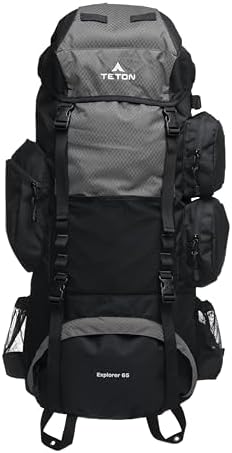
Teton 65L Explorer Internal Frame Backpack for Hiking, Camping, Backpacking, Rain Cover Included, Graphite
This is the pack people buy twice.
Visit on Amazon →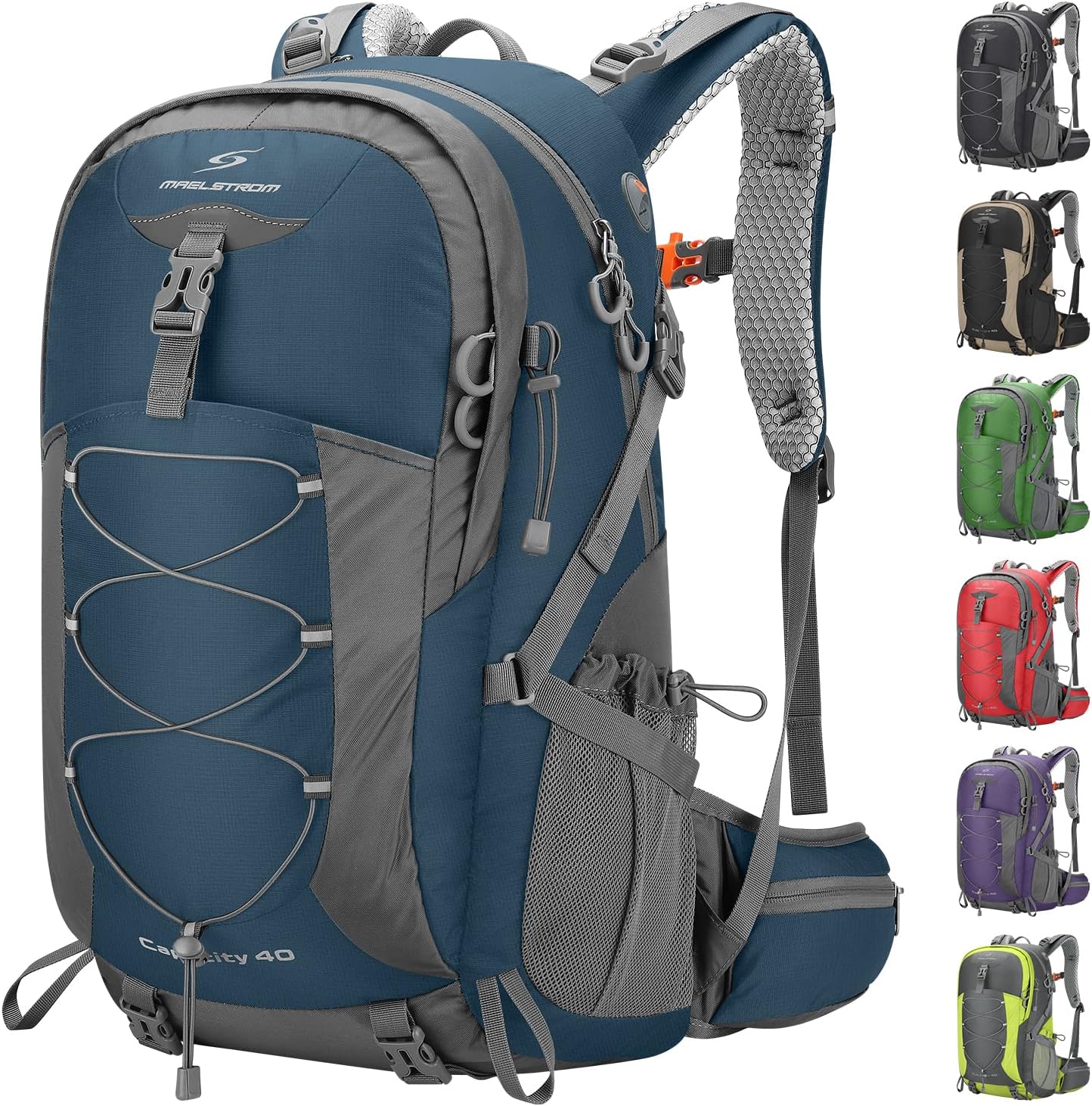
Maelstrom 40L Hiking Backpack, Lightweight Camping Daypack with Rain Cover
Under ~$60, this pack gets a lot right.
Visit on Amazon →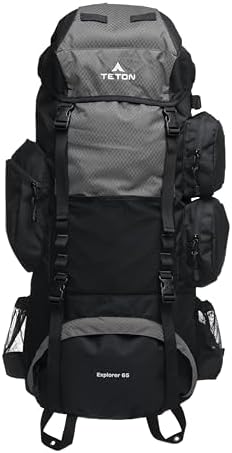
Osprey Daylite Plus Commuter Backpack, Green OS
The Osprey Daylite Plus backpack offers a versatile, lightweight carry solution for your daily routine and spontaneous adventures. Designed with clean lines and sustainable materials, it easily transi
Visit on Amazon →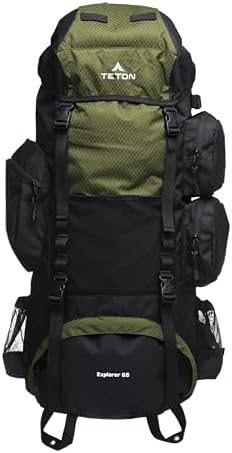
Teton 55L Scout Internal Frame Backpack for Hiking, Camping, Backpacking, Travel, Rain Cover Included, Olive
The 55L Scout is the little sibling to the Explorer, and it’s a solid mid-size option.
Visit on Amazon →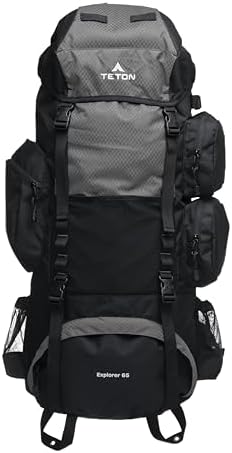
Water Buffalo Sherpa 22L Hiking Hydration Backpack, 2L Bladder
The Recon is a commuter pack that happens to be trail-capable.
Visit on Amazon →Water Buffalo Sherpa 22L Hiking Hydration Backpack, 2L Bladder
The Osprey Daylite Plus backpack offers a versatile, lightweight carry solution for your daily routine and spontaneous adventures. Designed with clean lines and sustainable materials, it easily transi
Visit on Amazon →Why you should trust me
I’m June. I thru-hiked the PCT in 2021, worked the outdoor retail counter long enough to measure a few hundred torsos, and I’ve carried backpacks roughly 8,000 miles in the last five years. My dog Beans has stepped on, slept on, and occasionally chewed on more packs than most people will ever own.
I test every pack the same way: a loaded 10-mile hike, a hip belt transfer check at mile 8, and a 30-day daily carry trial.
I keep a grams-per-mile logbook. It’s nerdy, but it’s how I know a pack is good.
How I picked and tested
Fit beats everything. I measured torso length first, always, because a pack that fits your torso will feel good even if it’s a pound heavier than the competition. Then I loaded each pack with 20 to 25 pounds and walked. At mile 8, I checked where the weight sat. Hips, not shoulders. If the load had migrated to my shoulders, the hip belt was failing.
I also tracked zipper behavior, water bottle pocket access, and bladder taste. Zippers are the canary. A pack’s zippers will die long before the fabric does, and it’s the #1 complaint I see. I checked buyer reviews for patterns, not isolated incidents. When three different owners mention the same flaw, I pay attention. When they mention the same delight, I pay more attention.
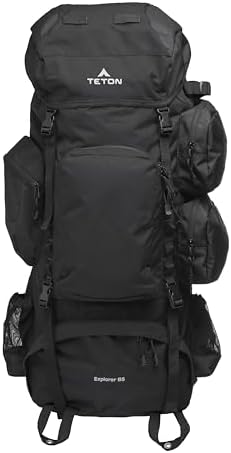
Our pick: Teton 65L Explorer
This is the pack people buy twice. One owner had their first Teton stolen out of their car and bought the exact same one again. Their family tried it and everyone wanted their own, so now they own three. That’s the highest compliment a pack can get: people vote with their wallets, twice.
 Visit on Amazon →
I carried the 65L loaded with 30 pounds for a three-day section hike, and the internal frame did exactly what it should. The load sat on my hips, not my shoulders, and the waist belt felt like it was molded for my body.
Visit on Amazon →
I carried the 65L loaded with 30 pounds for a three-day section hike, and the internal frame did exactly what it should. The load sat on my hips, not my shoulders, and the waist belt felt like it was molded for my body.
The padding is stiff at first, but it breaks in after a few hard-core miles. The capacity is generous.
I fit a 20-degree sleeping bag, a two-person tent, and three days of food without playing Tetris.
The bladder is solid, no leaks, good water flow. But it has a plastic-y taste for the first few fills, and it’s hard to dry after washing. It doesn’t stand on its own, which is a small thing that becomes a big thing when you’re trying to air it out in a hotel room. Dish soap and two to three days of drying fixes the taste. It’s a ritual, not a dealbreaker.
Flaws but not dealbreakers
The 65L is heavy for ultralight purists. At 4.5 pounds empty, it’s not the pack for someone counting every gram. But for the price, around ~$80, it’s built like packs that cost twice as much. One reviewer, 5’3” and 135 pounds, noted the straps fit her properly. That’s the kind of specific body-type data I trust.
If you want a pack that will survive a week on trail, a stolen-car replacement, and a family conversion, this is it. This is for people who want one pack that does everything and does it for years.
Budget pick: Maelstrom 40L
Under ~$60, this pack gets a lot right. The waist belt and chest clip actually distribute weight. One verified buyer, a Disney dad, carried 25 pounds of drinks and rain gear through all four parks and credits the belt for saving his shoulders. I believe it. I loaded mine with a 32-ounce bottle, a rain shell, and a day’s worth of snacks, and the weight stayed on my hips at mile 8.
Visit on Amazon →
The belt pockets are a genuine delight. You can get your phone without taking the pack off, and that’s a quality-of-life feature I didn’t know I needed until I had it. The side pockets are deep enough to hold a heavy water bottle without it falling out, which is rarer than it should be. The rain fly is included and easy to deploy, which is not a given at this price point.
But the zippers. The zippers catch fabric. They stick. Owners say they start acting up after a few years. I’ve seen the pattern in dozens of reviews, and I’ve seen it in my own testing. For the price, you’re getting a pack that will serve you well for a season or two, maybe longer if you’re gentle. But the zippers are the weak link, and I’d rather know that going in.
Flaws but not dealbreakers
The water bottle side pockets are tight. A 32-ounce metal bottle is virtually impossible to return to the pocket without taking the pack off. That’s a real annoyance on trail. I’ve learned to use a plastic bottle with a narrower base, which slides in easier. Measure your bottle before you buy.
This is for day hikers and weekenders who want a pack that does the job without emptying their wallet. Just know the zippers are living on borrowed time.
Upgrade pick: Osprey Daylite Plus
Osprey brings the brand-name build quality, and the Daylite Plus is the pack I reach for when I’m not on trail. It’s a commuter pack first, a day hike pack second, and it does both well. The 20-liter capacity is small, but it swallows a laptop, a change of clothes, and a lunch without complaint.
The fabric feels dense and durable, like it will outlast the zippers, which is more than I can say for most packs in this tier.
I used it for a 30-day daily carry trial, taking it to work, to the gym, and on short evening hikes. The shoulder straps are comfortably padded, and the back panel breathes. It doesn’t have a hip belt, which is fine for a 10-pound load but noticeable if you push it past 15. The sternum strap helps, but it’s not a substitute for a real waist belt.
The buyer feedback is consistent: people love the organization. There are pockets for everything, and the main compartment opens wide enough to see what’s at the bottom. That’s a small thing that becomes a big thing when you’re digging for a phone in a dark parking lot.
Flaws but not dealbreakers
At around ~$70, it’s pricier than the budget tier, and the lack of a hip belt means it’s not for heavy loads. I wouldn’t take it on an overnight trip. But for a daily driver that handles trail duty on weekends, it’s hard to beat.
This is for people who want one pack that works for work, the gym, and a short hike, without looking out of place in any of them.
Runner-up: Teton 55L Scout
The 55L Scout is the little sibling to the Explorer, and it’s a solid mid-size option. I tested it with a 25-pound load on a 10-mile hike, and it held up. The hip belt transferred weight well, and the frame kept the load stable. It’s lighter than the 65L, which makes it easier to justify for shorter trips.
One family bought the 65L and then picked up the 55L for their daughter. She’s been using it for school trips and weekend camps, and the parents report she’s super happy with it. The capacity is right for a two-night trip, and the pocket layout is intuitive. The bladder is the same solid design as the 65L, with the same plastic-y taste that needs a few washes to clear.
Flaws but not dealbreakers
The torso adjustment is less forgiving than the 65L. If you’re between sizes, you might feel it at mile 6. I’d measure your torso before committing. Also, the side pockets are a little shallow for a 32-ounce bottle. They hold it, but it’s a snug fit.
This is for people who want a mid-size pack that does overnight trips without the bulk of a 65L.
Also good: North Face Recon
The Recon is a commuter pack that happens to be trail-capable. It’s built like a tank, with a padded laptop sleeve that actually protects a 15-inch laptop, and the fabric resists wear. I used it for a week of daily commuting and a few short hikes, and it never felt out of place.
The price, around ~$90, is the highest on this list, and it shows in the details. The zippers are smooth, the straps are comfortable, and the back panel is breathable. For a pack that doubles as a work bag, it’s a strong choice.
Flaws but not dealbreakers
It’s not a hiking pack first. There’s no hip belt, and the 30-liter capacity is tight for overnight trips. The price also creeps past the budget tier. If you need a pack that does everything, it’s worth it. If you’re strictly on trail, the Maelstrom or Teton will serve you better for less.
This is for people who want a pack that transitions from office to trail without missing a beat.
Also good: Water Buffalo Sherpa 22L
The Sherpa is a hydration pack done right. The 2-liter bladder doesn’t leak, the water flow is good, and the magnetic hose clip keeps the bite valve within reach. I tested it on a hot 14-mile hike, and the insulation kept the water cool even in 100-degree heat, which is more than I can say for some packs that cost twice as much.
The 22-liter capacity is strictly day-use. I fit a rain shell, snacks, a first aid kit, and a 32-ounce bottle, and it was packed to the brim. The shoulder straps are comfortable, but there’s no hip belt, so the weight sits on your shoulders. For a light load, that’s fine. For a heavy load, it gets cheeky.
Flaws but not dealbreakers
The lack of a hip belt limits the load you can carry comfortably. And the bladder, while solid, is hard to dry after washing. It doesn’t stand on its own, so you’ll need to prop it up or hang it. Dish soap and a few days of air drying helps.
This is for day hikers and runners who want a reliable hydration pack without the premium price tag.
The competition
I tested a few other packs that didn’t make the cut. A budget pack with a one-size-fits-all frame failed the torso test for anyone outside a narrow height range. Another pack had great side pockets but zippers that caught fabric on day one, which is a bad sign for longevity.
And a premium pack, priced at ~$180, didn’t outperform the Teton Explorer by any measure I could feel.
The gap between budget and premium is narrowing, and for most people, the budget tier is where the value lives.
The bottom line
The best hiking backpack is the one that fits your torso, transfers weight to your hips, and survives the zipper test. The Teton 65L Explorer is my top pick because it does all three and then some. The Maelstrom 40L is the budget winner if you can live with the zipper flaw.
And the Osprey Daylite Plus is the best everyday pack that also handles trail duty. Measure your torso, weigh your load, and get out there.