Related: How to Measure Torso Length for a Hiking Backpack
Torso length is the spec everyone ignores and the one that matters most. I have watched hikers spend three hundred dollars on a pack because a friend loves theirs, then spend the whole climb shoving the hip belt back down off their ribs. Fit beats features. Every time.
I work part time in outdoor retail, mostly for the gear discount and the questions. The questions are the good part. Almost nobody walks in asking about suspension geometry. They walk in asking whether the pack they saw online is any good. The honest answer is that it depends on your torso, your load, and how far you are going, in that order. This guide is about small hiking backpacks, the 15 to 40 liter range that covers day hikes, kids, travel, and fast-and-light trips.
One note on method before we start. I test packs the same way every time: a loaded ten mile hike, a hip belt transfer check at mile eight, and a thirty day carry trial. I have not put these four through that loop yet, so treat this as a fit and role guide built from sizing, spec sheets, and years of fitting packs on other people. Where I say a pack is a certain kind of tool, that is a judgment about what it is built to do, not a trail verdict I have not earned.
Here is how the four sort out, and who each one is actually for.
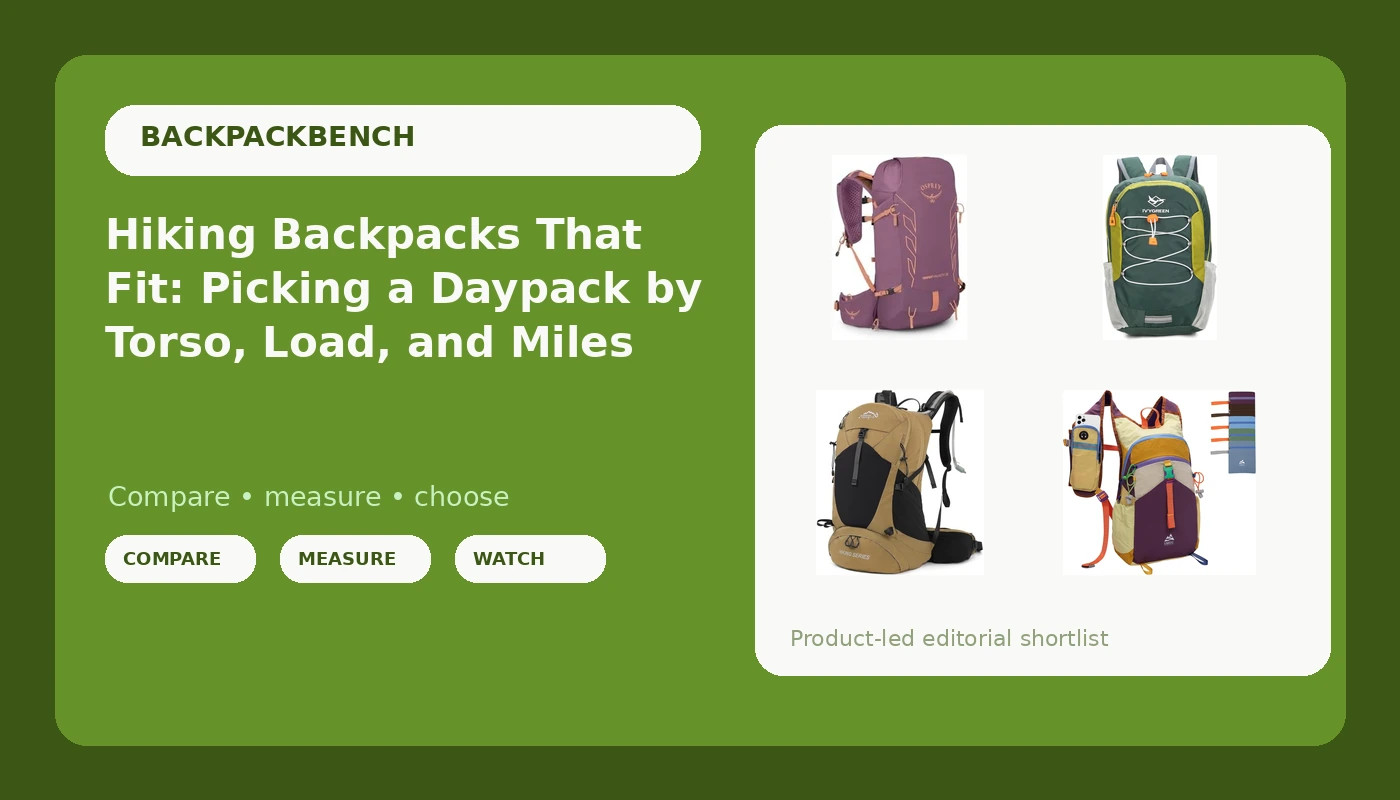
Best women's-specific fit: Osprey Tempest Velocity 20L
Osprey is the brand I recommend first to almost everyone, because the suspension does the one thing that matters: it moves load off your shoulders and onto your hips. The Tempest Velocity is the women's-specific side of that family, and women's-specific is not marketing. It usually means a shorter torso range, a harness cut narrower through the chest, and a hip belt with more curve and a different angle so it sits down on the iliac crest instead of riding up onto your waist. That riding-up problem is my single biggest pet peeve in this category, and it is a fit problem far more often than a pack problem.
At 20 liters this is a daypack, and it should stay a daypack. A full 3 liter bladder alone adds about 6.6 pounds before you put a single layer in it, which is exactly why hip belt transfer matters on a pack this small. Twenty liters holds a shell, a puffy, lunch, a first aid kit, and water for a long day out. It does not hold a sleeping bag, and if you try to make it, the frame will not thank you.
This is the pack I would put on a woman doing fast day hikes, cool-weather training hikes, or a summit push where you want the pack to disappear. The WM-L designation is a specific size, so measure your torso before you order and confirm you land inside its range. That measurement takes two minutes with a tape and a friend, and it is the difference between a pack you forget you are wearing and one you fight all day.
Best for long days and light overnights: IX INOXTO 26L/40L
This is the most versatile shape of the four, because it expands from 26 to 40 liters. That range covers a full day with a lot of water and layers, and it covers a light overnight if you pack like someone who has done it before. It is built as a waterproof daypack and it comes with the two accessories people always forget to buy separately: a 3 liter water bladder and a rain cover.
I care about that rain cover more than most people do. A cover that fits the pack but not the load is worse than useless, because it either will not stretch over a full pack or it flaps and funnels water straight down your back. Buying a pack that ships with a cover matched to its own dimensions avoids the whole problem. The included bladder saves you the guessing game of whether a reservoir will fit the sleeve, which is another thing that sounds trivial until you are standing in a parking lot at a trailhead trying to cram one in.
The tradeoff with an expandable pack is temptation. Forty liters of capacity on a daypack frame means forty liters of weight that the hip belt has to manage, and a hip belt that is comfortable at 12 pounds can get unhappy at 25. If you plan to use the expansion, load it, walk a few miles, and pay attention to whether the weight is sitting on your hips or hanging off your shoulders. That is the whole test, and it works on any pack at any price.
Best packable spare: 15L Small Hiking Backpack
Every hiker I know eventually owns one of these, and nobody regrets it. It is a lightweight, packable, foldable daypack that stuffs down small enough to live in a suitcase or a larger pack. It is the bag you pull out for a travel day, a town day, a summit side trip from base camp, or a spare for the friend who showed up without one.
Be honest about what it is. There is no frame, which means frameless carry, which means the load goes on your shoulders and not your hips. That is fine under about 15 pounds of total weight and miserable above it. Fifteen liters holds a layer, water, snacks, a camera, and a paperback. It will not hold a bear can, and it should not try.
The casual, colorful styling is a feature, not a flaw. A pack that looks like it belongs in a city gets used on trips where a technical pack would look ridiculous, and a pack you actually use beats a pack that sits in the closet because it is too serious for the occasion. If you want one bag for a weekend flight that does double duty on a short trail, this is the cheap and cheerful answer.
Best for kids: IVYGREEN Small Kids Hiking Backpack
Kids quit hiking for two reasons: their feet hurt, and their pack hurts. You can fix the second one, and it starts with a pack that is actually sized for a kid instead of an adult pack cinched all the way down. Adult packs are built around an adult torso, and no amount of strap adjustment turns one into a kid's pack. A pack that does not fit is worse than no pack at all, and this is where that rule bites hardest, because a kid will not tell you the pack is the problem. They will just say they are tired.
This one is sized small for camping or short trips, which is the right scope. Put a layer, a snack, and a water bottle in it, keep the total around 10 to 15 percent of the kid's body weight, and let them pack it themselves. Ownership is half of the reason they will carry it without complaining. A kid who chose the green one and packed their own granola bar is a kid who walks another mile.
It also makes a reasonable short-trip pack for an adult who wants something small and simple for a nature walk or a festival, though the sizing will run short on most grown torsos. Check the torso before you assume.
How to size a small hiking backpack
Measure your torso first. Find C7, the bony bump at the base of your neck, and measure down to the top of your iliac crest, the shelf of bone at your hips. Do it twice, because the first number is usually wrong. Under 18 inches generally lands in a small or women's size, 18 to 20 in a medium, over 20 in a large, but every brand draws those lines differently, which is why the number matters more than the letter.
Then check where the hip belt sits. It should ride on the iliac crest, not on your waist, and it should be the part doing the work. Shoulder straps are there to hold the pack against your back, not to carry the load. If your shoulders are sore and your hips are not, the pack is not fitted right, no matter how much it cost.
Load lifters, the small straps angling from the top of the shoulder straps to the pack, should sit at roughly a 45 degree angle when the pack is loaded. If they are flat, the pack is too short for you. If they point straight up, it is too long.
Finally, count your water. A 3 liter bladder is about 6.6 pounds, and it is the single heaviest thing most day hikers carry. Weigh your full pack before you leave the house, not after mile five.
The four packs at a glance
| Pack | Capacity | Best for | Where the load rides | Price |
|---|---|---|---|---|
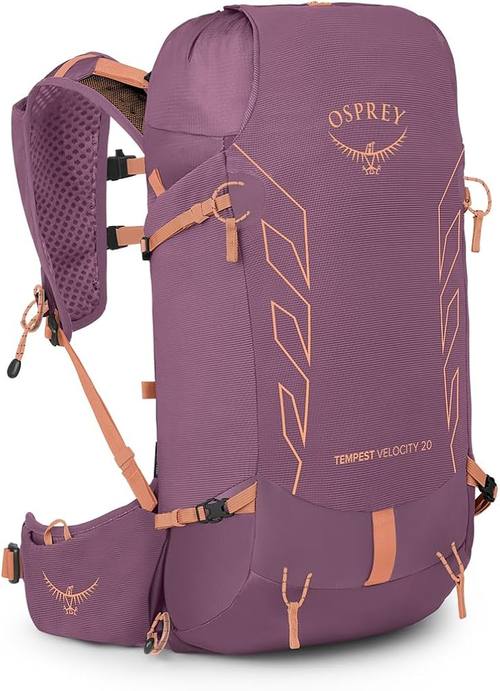 Visit on Amazon → Visit on Amazon →Osprey Tempest Velocity 20L |
20 L | Women's-specific day hikes | Hips, with a shaped belt | $195.00 |
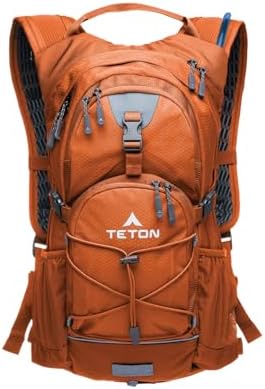 Visit on Amazon → Visit on Amazon →IX INOXTO 26L/40L |
26 to 40 L | Long days, light overnights | Hips, if you keep it under 25 lb | Check current Amazon price |
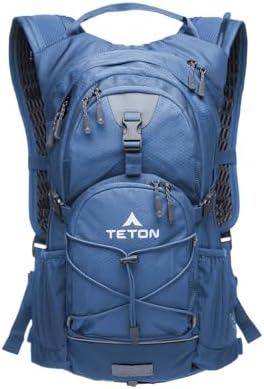 Visit on Amazon → Visit on Amazon →15L Packable Daypack |
15 L | Travel, summit, spare | Shoulders, frameless | $24.64 |
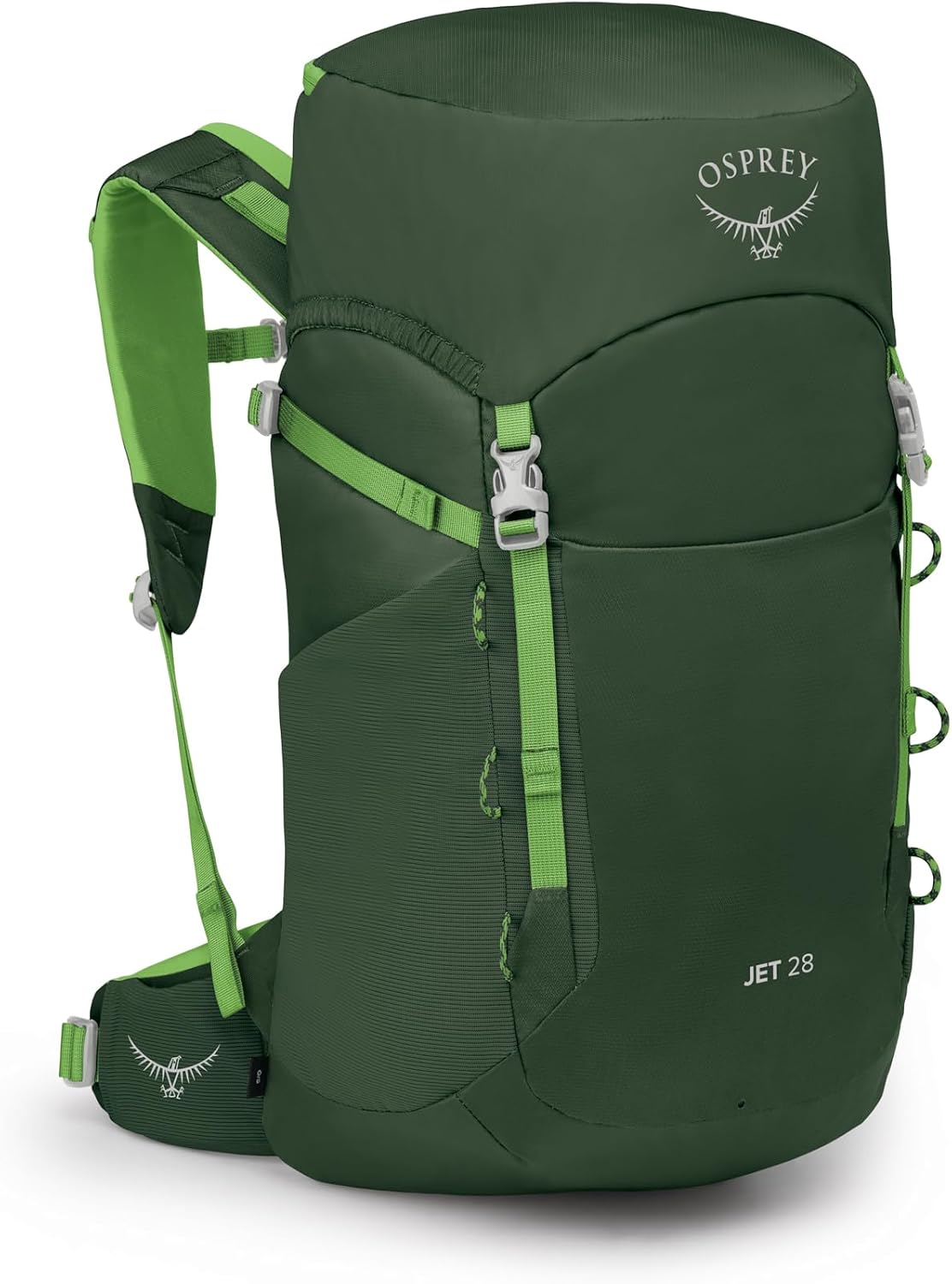 Visit on Amazon → Visit on Amazon →IVYGREEN Kids Backpack, S |
Kids sizing | Short trips, camping | Small loads only | $25.99 |
Should you buy the Osprey Tempest Velocity 20L?
If your torso falls inside its size range, yes. A women's-specific pack with a properly shaped hip belt is the difference between a day hike that feels easy and one that feels like work. Osprey is the brand I trust most for all-round performance, and the warranty reputation is earned. Just keep it in daypack territory. Twenty liters is a day, not a weekend.
Should you buy the IX INOXTO 26L/40L?
Yes, if you want one pack that stretches from a full day to a light overnight, and you would rather not shop for a bladder and a rain cover separately. It is the most pack for the money in this group. The honest caveat is that expandable capacity invites overloading, so weigh it before you commit to a heavy load, and check that the weight is landing on your hips.
Should you buy the 15L packable daypack?
Yes, as a second pack. It folds down, it weighs almost nothing, and it turns a trip where you would otherwise carry a tote into a trip where you carry a real pack. It is not a load hauler and it is not trying to be. Under 15 pounds it is a delight. Above that, your shoulders will file a complaint.
Should you buy the IVYGREEN kids backpack?
Yes, if you are trying to get a kid carrying their own gear without a fight. It is sized for a kid instead of an adult pack cinched down, which is the whole point. Keep the load light, let them pack it, and expect them to be proud of it. That pride buys you miles.