Related: Best Hydration Pack for Long Hikes
I have carried a backpack roughly 8,000 miles in the last five years, most of it on the Pacific Crest Trail and chunks of the Appalachian Trail, and I still fit packs part time at an outdoor shop in Seattle. The question I get more than any other is which hydration backpack for hiking someone should buy. My answer is always the same, and it is never a brand name. It is torso length, distance, and whether the load is sitting on your hips at mile 8.
Hydration packs are a different animal from a standard daypack. The reservoir changes the whole geometry. Water is the heaviest thing most of us carry, and in a hydration pack it sits high and close to your spine instead of in side pockets where it swings. The hose has to route somewhere your hand can reach without unclipping anything. The front of the pack turns into a place for soft flasks, snacks, and a phone, because nobody wants to take a pack off to get a granola bar.
This guide covers four packs doing four different jobs at very different price points: a 12 liter trail pack, a running vest with a 2 liter bladder included, and two kids packs with 1.5 liter bladders. I will tell you who each one is for, what to check before you buy, and what I would skip.
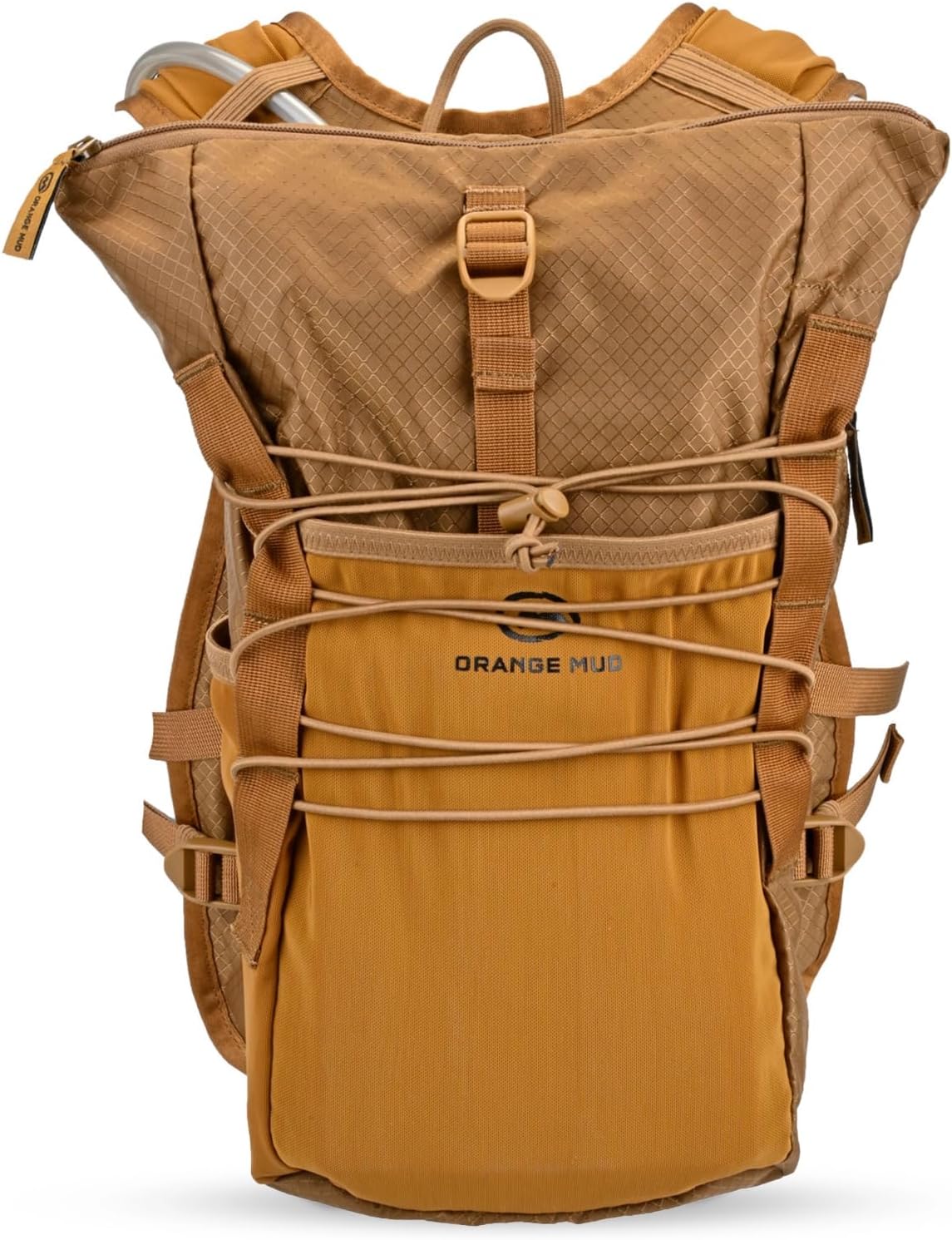
Best Overall: Orange Mud Adventure Pack 12L 3.0
Twelve liters is the number I keep coming back to for a full day out. It is enough for a rain shell, a puffy, lunch, two liters of water, a first aid kit, and a headlamp, and it is not so much that you start filling empty space with things you do not need. That last part matters more than people think. Every liter of unused pack volume turns into a liter of stuff you did not plan to carry.
This one is built for trail running, which tells you a lot about how it wants to sit. Running packs ride high and hug the back, because a load that bounces is a load you feel in your shoulders by the end of the day. The tradeoff is that a running harness is less forgiving than a pack with a padded hip belt. If you are between sizes or you have never measured your torso, measure it before you order. The measurement runs from the bony bump at the base of your neck down to the top of your hip bones, and it takes two minutes with a soft tape and a friend.
What I would check on the listing before buying: whether a reservoir is included, what the torso range is, and how the hose routes from the back to the front. A hose that has to cross your chest at an awkward angle is the single most common annoyance I hear about from customers. Check the return window too. Fit problems show up on the trail, not in your living room.
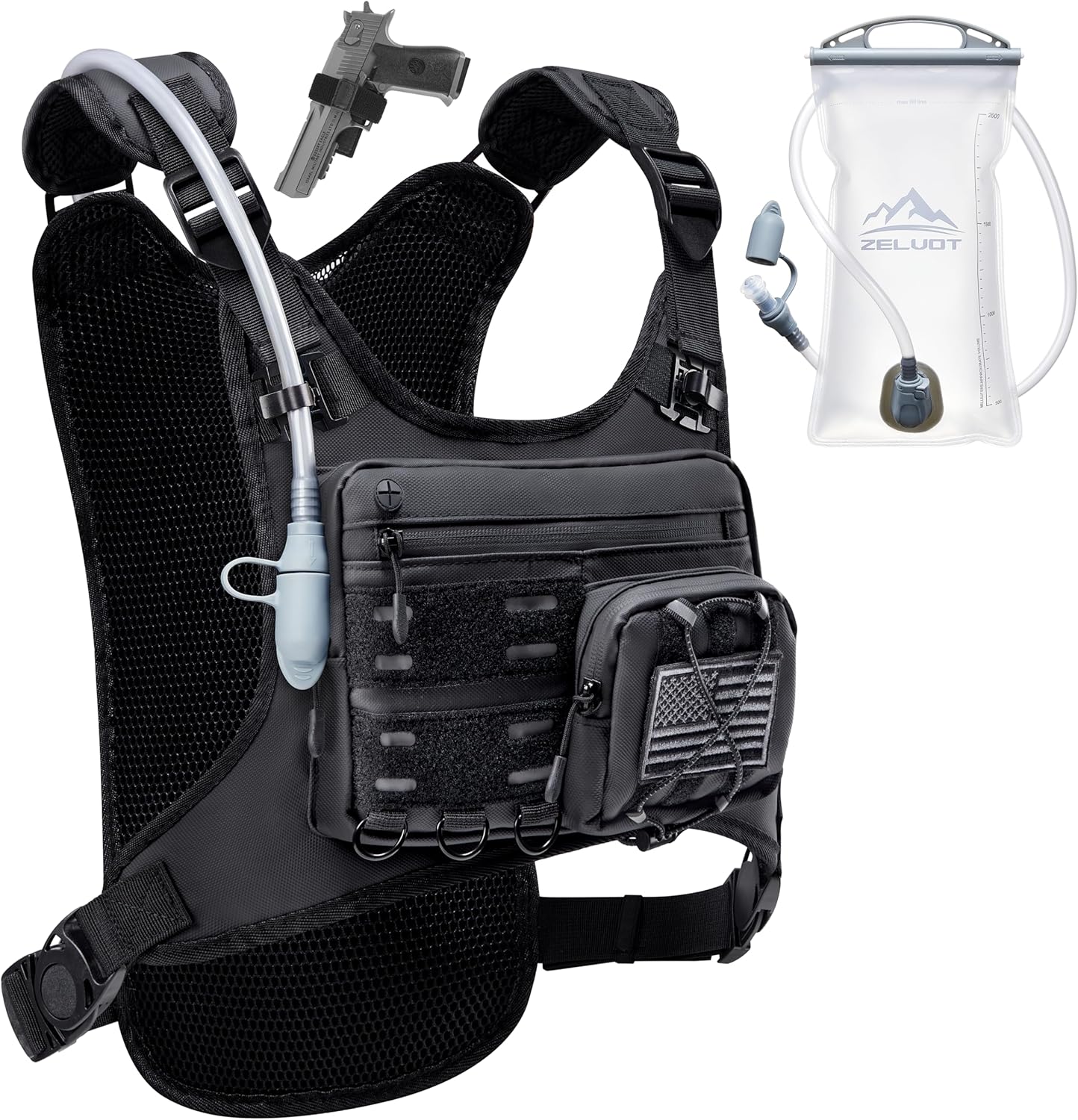
Best Value: Zelvot Running Vest with 2L Water Bladder
A bladder included in the price is the quiet win here. Buying a 2 liter reservoir separately adds real money to a pack, and it is the kind of purchase people forget about until the night before a hike. This one comes with the water capacity sorted, plus a gear holder on the front and reflective panels on the chest.
The reflective chest pack is the feature I would point a customer toward first. If you run or hike before sunrise, after sunset, or anywhere near a road, being visible is not a nice-to-have. Reflective material on the front of your body is where drivers and cyclists are already looking, and it costs you nothing in weight.
What this is not: a load hauler. A vest carries water, a layer, a phone, and snacks. Past about 10 pounds, you want a real hip belt doing 80 percent of the work, and a vest cannot do that. If your hikes are two to four hours and you move fast, this is a smart buy. If you are packing for a full day with a camera and a stove, you want the 12 liter pack above instead.
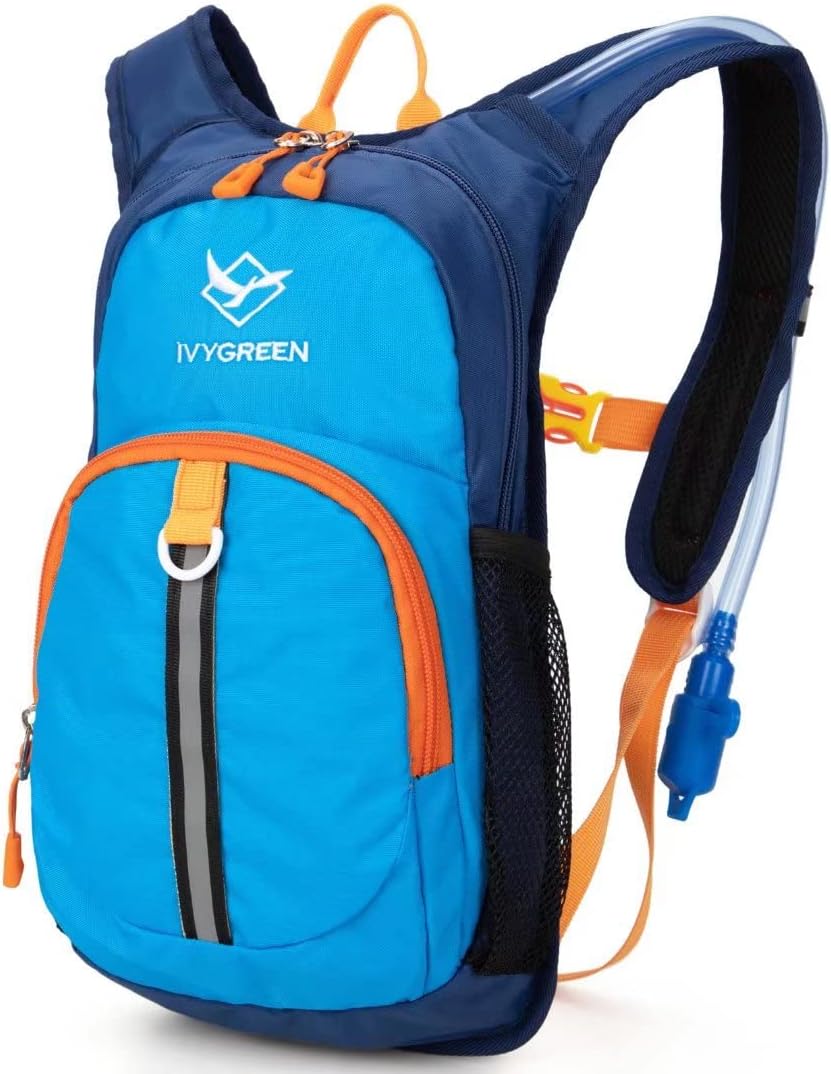
Best for Kids: Ivygreen Kids Hydration Backpack
Kids quit hikes for one reason above all others, and it is not distance. It is being uncomfortable. A pack that slides off their shoulders, a bladder that is too heavy to lift, a hose that whips them in the face when they turn around. The 1.5 liter bladder here is the right size for exactly that reason. Three liters of water weighs over six pounds, which is a serious fraction of a kid's body weight, and a kid hauling six pounds of water stops wanting to come next time.
The other thing a kids pack buys you is independence. Once a kid carries their own water, they stop asking you for yours every ten minutes, and they start learning how much they actually drink on a climb. That is a skill worth building before they are old enough to do a real backpacking trip.
Fit still rules, even at this size. Put the pack on with the bladder full, tighten the sternum strap, and have them walk around the block. If it rides up on their neck or slides down past their hips, adjust before you commit. And let them pick the color. A pack a kid chose is a pack a kid wears.
How I test hydration packs
Every pack I recommend has to clear the same bar, and I have been running it for years. First, torso measurement. I fit the pack to a torso length, not to a height, because those two numbers are not the same thing and the spec sheet almost never lists a torso range. That omission is my single biggest pet peeve in this category. A listing will brag about 25 features and never tell you who the pack is built to fit.
Then a loaded 10 mile hike. Full water, full kit, real terrain, because the trail tells you in the first mile whether the pack fits. Then the hip belt transfer check, which I do at mile 8 when I am tired and honest: reach back and see how much weight is sitting on my shoulders. If the answer is anything more than a light contact, the pack is not transferring load, and no amount of pocket organization fixes that.
Then a 30 day daily carry trial, which is how I find the annoying stuff. Zippers that catch. A hose that pulls loose from the bite valve. A front pocket that seems reachable in the store and turns out to be a two-handed operation while walking. I keep a grams per mile logbook for every pack I carry, and I weigh everything myself rather than trusting the tag. A pack's real weight is how it feels at mile 8 with a full load, not what the marketing copy says.
I apply the same standard to the packs in this guide. What I can tell you from the listings is what each pack is designed for and what to verify before you buy. The rest you have to earn on your own two feet.
Analysis and test results
Here is what separates a good hydration pack from a bad one, in the order that it matters.
Load placement is first. Water is heavy, and where the reservoir sits decides whether you feel it in your hips or your shoulders. Packs built for running put the weight high and tight against your back, which keeps it from bouncing. Packs built for hiking let it sit lower against a hip belt. Neither is wrong, but they are different tools, and buying a running pack for a heavy day hike is how people end up with sore shoulders and a bad opinion of the whole category.
Harness versus hip belt is second. A vest spreads load across your chest and ribs with minimal padding. It works beautifully up to about 10 pounds. A hip belt transfers load to your skeleton, where it belongs, and it is the only thing that makes 20 pounds feel like 20 pounds instead of 30. If a listing does not tell you the torso range, email the seller before you buy.
Pocket reachability is third, and it is where most packs quietly fail. A front pocket you cannot open one-handed while walking is decoration. The Zelvot's front gear holder and reflective chest panels are exactly the kind of front-of-body storage that actually gets used, because it is where your hands already are. On the Orange Mud pack, check how the hose and any front storage sit relative to your shoulder straps.
Reservoir capacity is fourth, and it is a math problem, not a preference. A liter weighs a little over two pounds. Two liters is a solid half day in mild weather. If you are hiking in the heat or going long, plan on refills or a filter, because no bladder holds a full day of desert water.
The hydration pack reference table
This is the table I keep in my head when a customer walks in and describes their hike. Capacities come straight from the listings. Use the middle column to match the pack to the day, and always confirm the current details on the listing before you buy.
| Pack | Stated capacity | Best for | Price |
|---|---|---|---|
 Visit on Amazon → Orange Mud Adventure Pack 12L 3.0 |
12 liter pack | Full days, fast movement, trail running | $159.95 |
 Visit on Amazon → Zelvot Running Vest with 2L Water Bladder |
2 liter bladder included | Short fast hikes, dawn and dusk visibility, running | $36.54 |
 Visit on Amazon → Ivygreen Kids Hydration Backpack |
1.5 liter bladder | Kids carrying their own water on family hikes | $30.99 |
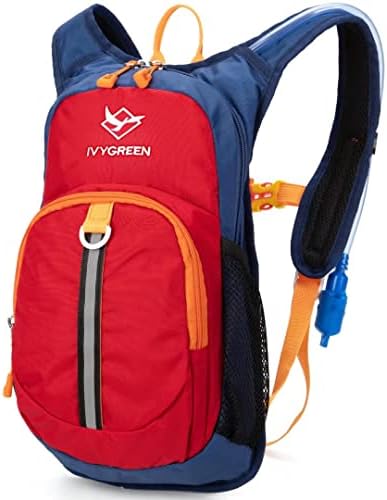 Visit on Amazon → Ivygreen Kids Hydration Backpack, second listing |
1.5 liter bladder | Same pack, separate listing. Check the color option | $30.99 |
Two Ivygreen listings, one kids pack
Both Ivygreen entries carry the same product name and the same 1.5 liter bladder, which is what happens when a pack is sold under more than one listing, usually because of color options. The practical advice is simple. Open both, compare the options shown, and buy the listing that has the color your kid wants. Do not assume one is a newer version of the other, and do not pay attention to which one shows up first in search results.
If you are buying for two kids, check whether the two listings offer different colors, because matching packs for siblings is the fastest way to end an argument before it starts.
Should you buy the Orange Mud Adventure Pack 12L 3.0?
Yes, if you want one pack that handles a long day without strapping things to the outside. Twelve liters is the capacity that covers a shell, food, water, and a small first aid kit with room left over for a layer you shed at noon. It is built for trail running, so it rides high and close instead of sagging onto your low back.
The caveat is fit. A running harness has less adjustment range than a pack with a padded hip belt, and a torso measurement you skipped in the store is a torso measurement you will pay for at mile 8. Measure, order, load it up, and walk a few miles before you decide. If it sits on your hips and stays put, it will serve you for years.
Should you buy the Zelvot Running Vest with 2L Water Bladder?
Yes, if you want a complete setup without buying a reservoir separately and you want to be seen after dark. The 2 liter bladder is included, the reflective chest panels do real work on early morning runs and evening hikes, and the front gear holder is the kind of pocket you actually reach for while moving.
Skip it if you are the person who brings a stove, a camera, and a folding chair. A vest is for water, a layer, and snacks. Past 10 pounds, you need a hip belt, and this is not that pack. Match the tool to the day and this one earns its place by the door.
Should you buy the Ivygreen Kids Hydration Backpack?
Yes, for a kid old enough to carry their own water and small enough that an adult pack swallows them whole. The 1.5 liter bladder is the right call. A kid hauling three liters of water stops wanting to hike, and the point of a kids pack is to make the next trip easier to say yes to, not to turn them into a pack mule.
Two listings carry the same name, so compare the color options and pick the one your kid likes. Then load the bladder, tighten the sternum strap, and take a walk around the block before the real hike. Fit beats features, even at 30 dollars, and it always will.