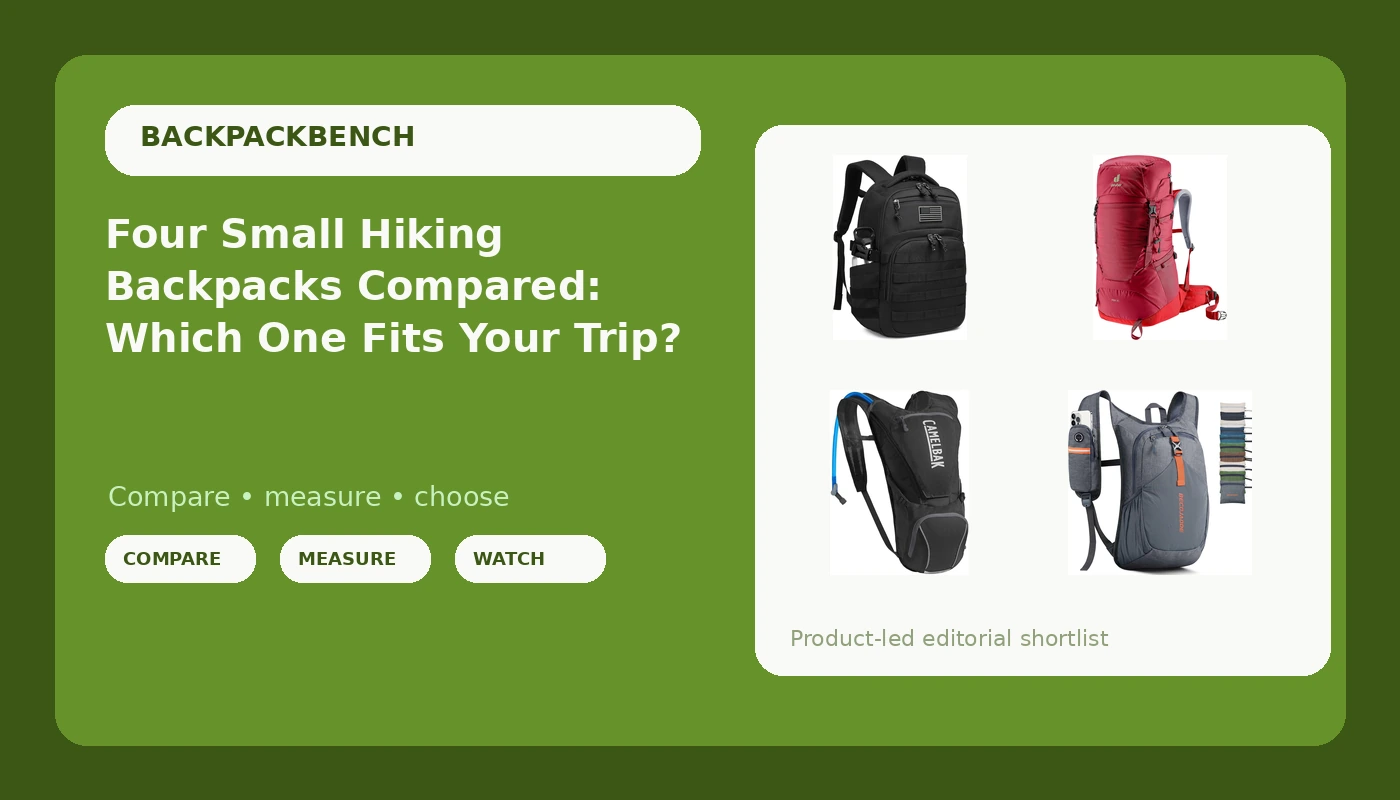
I have carried a backpack roughly 8,000 miles in the last five years, most of it on the PCT in 2021 and a long section of the AT after that, and I still work a couple of shifts a week in an outdoor shop because the questions customers ask are more useful than any spec sheet. The question I get most in spring is never about 65-liter expedition haulers. It is about small hiking backpacks, the 15 to 30 liter packs people use for a day hike, a commute, or a trip where the big bag stays in the hotel room. So I lined up four of the packs that sell in that range and wrote down what each one is actually for, because these four are built for four different trips, and one of them is not built for an adult at all.
Related: How to Measure Torso Length for a Backpack Fit
The best small hiking backpack here for most readers is the BECOJADDE 15L, because it folds into nothing, rides in a suitcase, and still carries a day of water and layers. The CamelBak Rogue is the better pack the moment your hikes involve a bike. The Deuter Fox 30 is the most capable pack in this group by a wide margin and most of you cannot wear it, because it is cut for a kid.
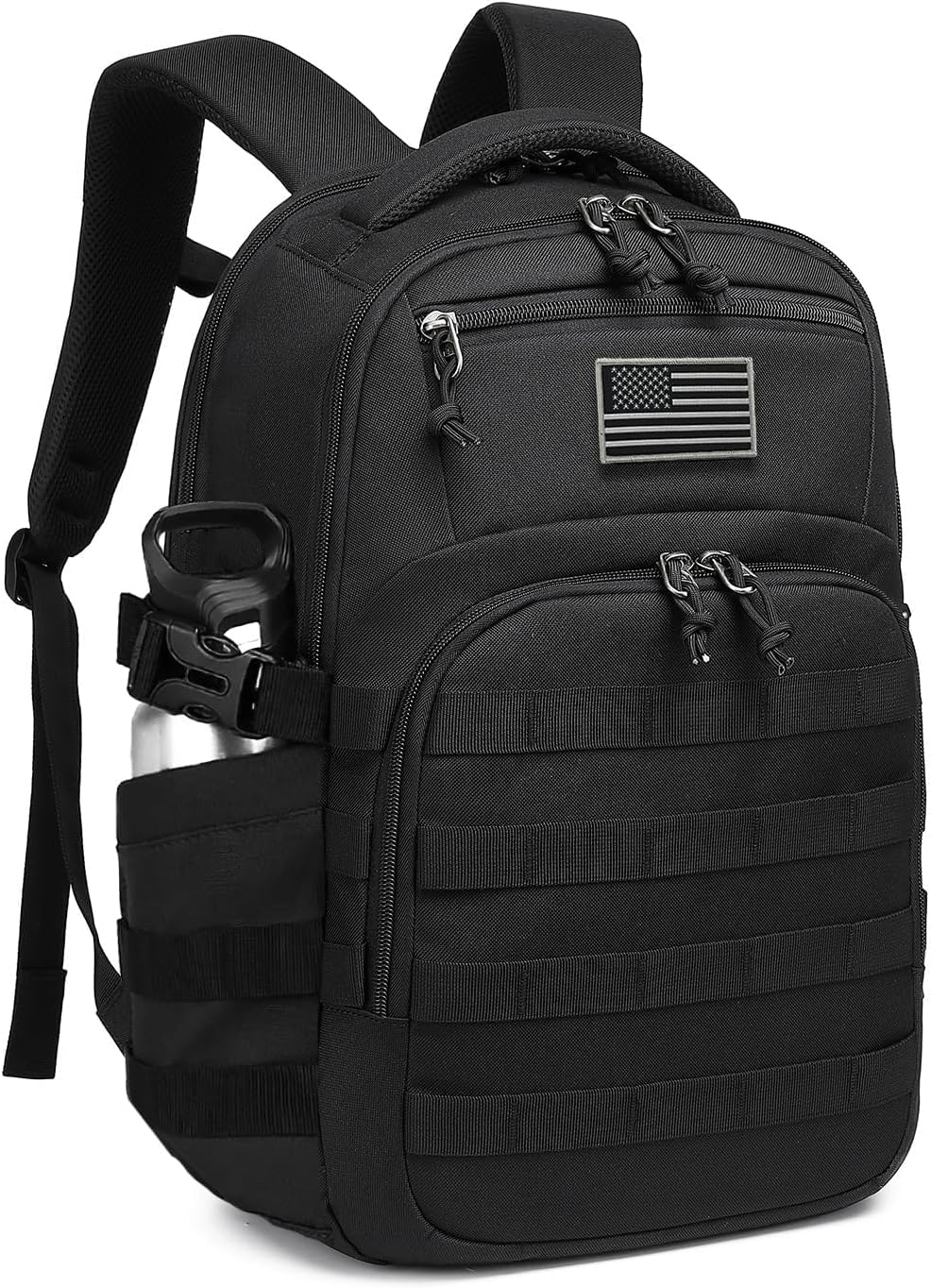
Wotony Military tactical backpack
The most pockets and the most abrasion-resistant look of the four, in a black tactical layout that reads as a work bag as easily as a trail bag
Tactical styling and pocket count are not suspension. In this category there is usually no torso sizing and no load-bearing hip belt, so fit is a guess
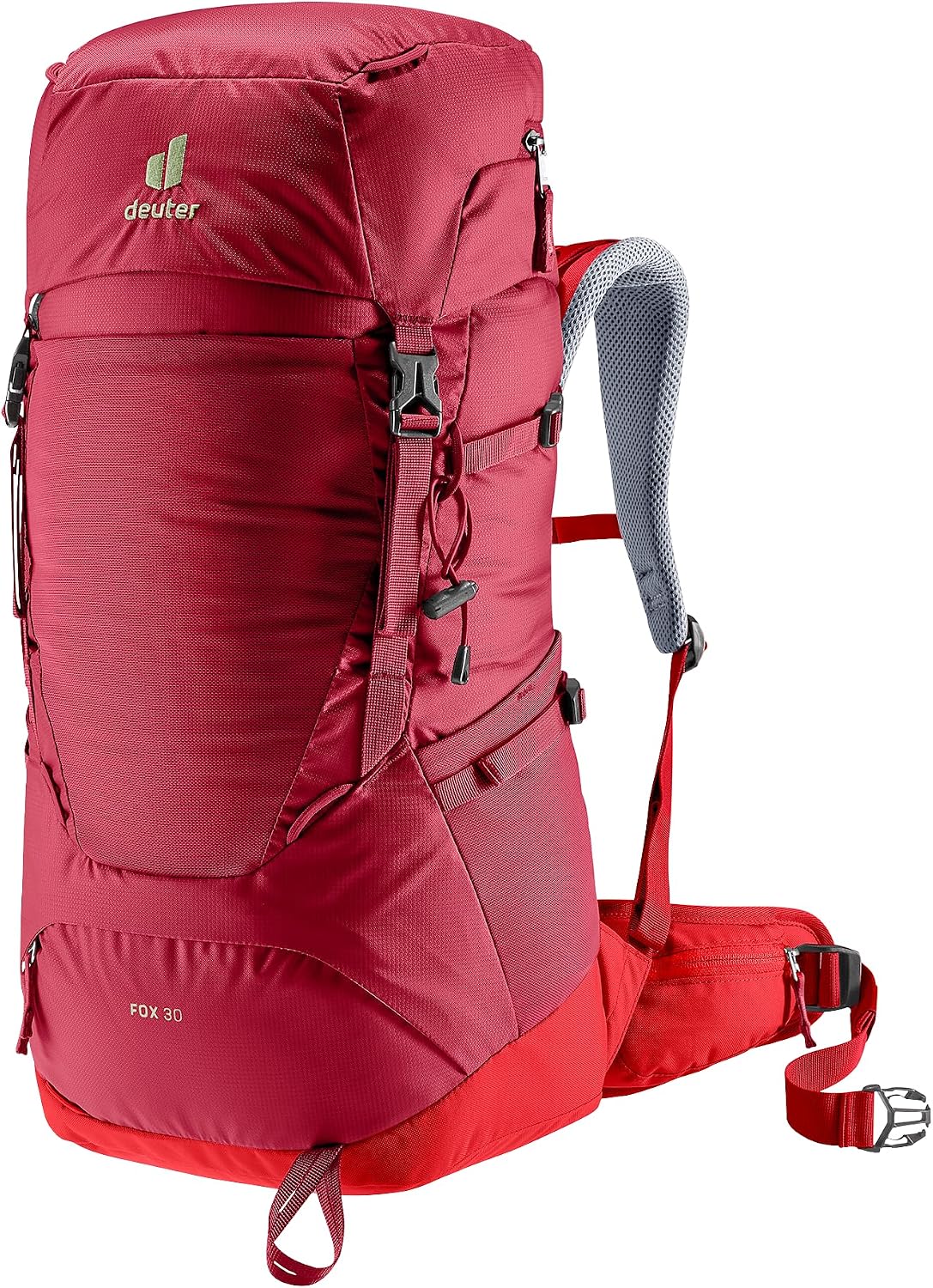
Deuter Fox 30 Kid's Backpack for Hiking and Trekking, Masala-Cherry
The only true trekking pack of the four, sized for a child's torso and built to carry a real load on a small frame
It is a kid's pack, so most adult readers cannot wear it, and it is the premium spend in this comparison
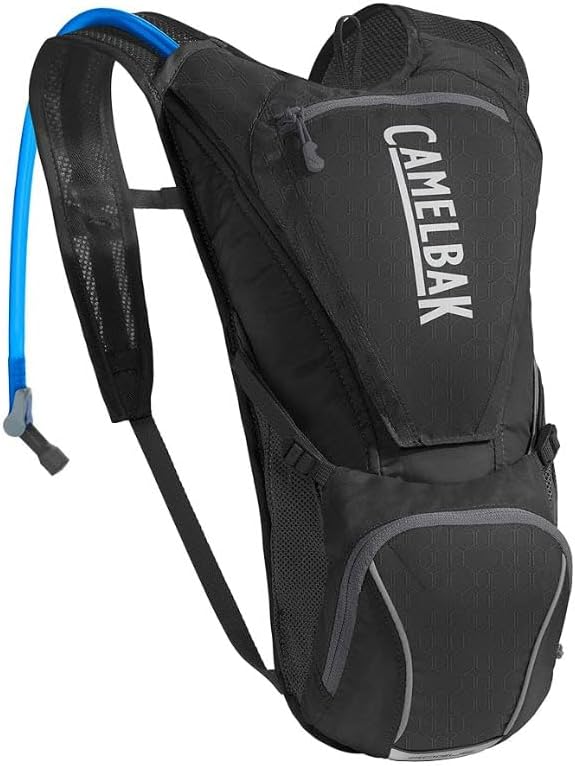
CamelBak Rogue Bike Hydration Pack 85oz
Hydration first, with a ventilated back panel for riding and the largest water capacity of the four
A bike-specific shape carries very little cargo and sits high on the back, which gets old on a long walking day
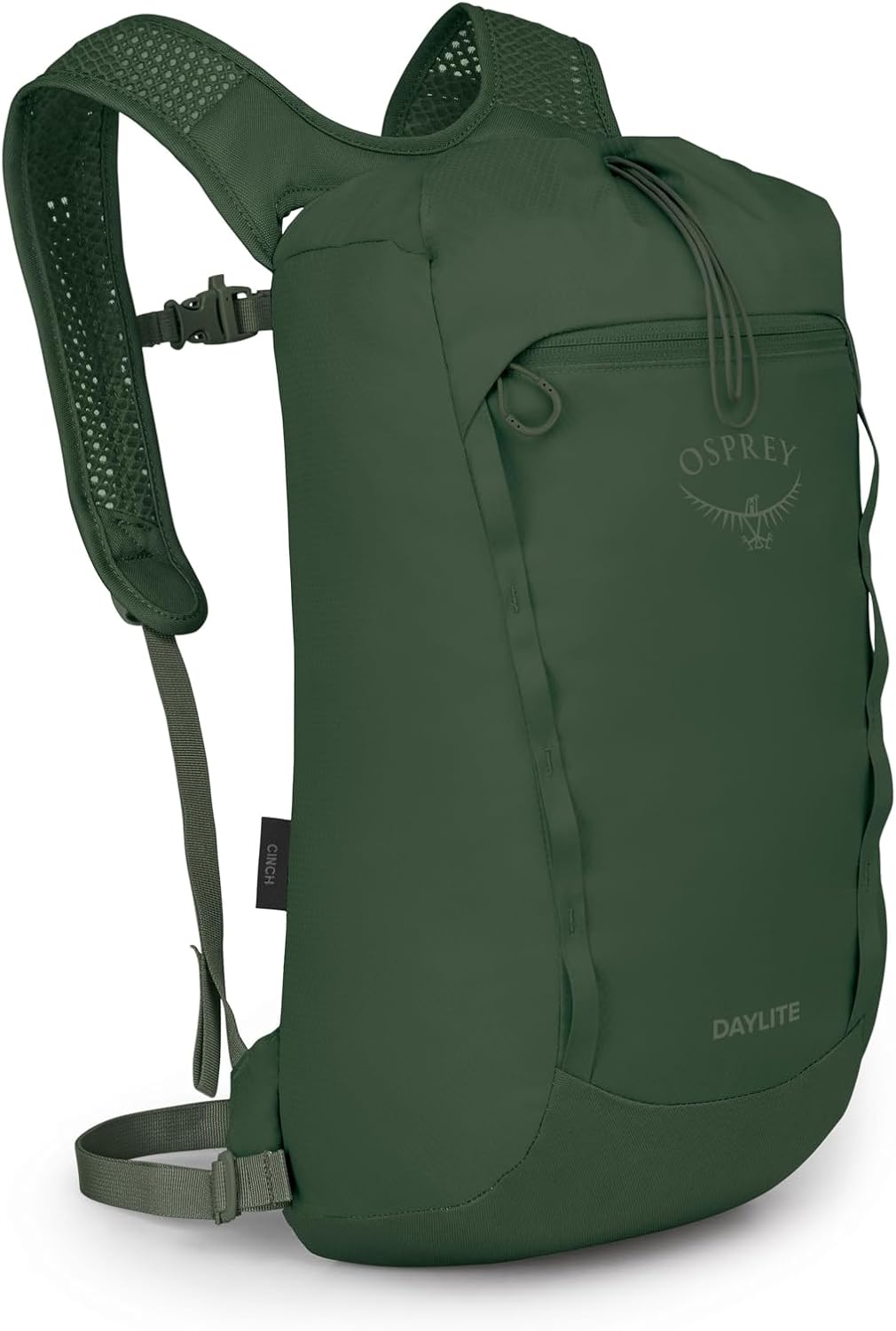
BECOJADDE 15L Small Hiking Backpack, Gray
The lightest and most packable of the four, and the easiest one to justify keeping in a carry-on
Packable construction means minimal structure, so a heavy load turns into shoulder pain by mile four
Prices and availability were captured from Amazon Creators API and may change.
How I judge a small pack
Three things decide whether a pack works, and none of them are the feature list on the product page.
The first is torso length. That is the measurement from the bump at the base of your neck, C7, down to the top of your hip bones at the iliac crest. Get it wrong and no pack fits, no matter what it costs. Most of the packs in this size class skip torso sizing entirely, which is fine for a 15 liter daypack and a problem the moment you load 20 pounds into it. If a pack does not come in sizes, you are shopping for a shape that happens to match yours, and you should buy from a place with easy returns.
The second is where the load sits at mile 8. The hip belt should do about 80 percent of the work. On small packs, the belt is often a webbing strap with a buckle, which does nothing except keep the pack from sliding off your shoulders. That is acceptable under about 12 pounds and miserable above it. A real hip belt is wide, padded, and wraps the crest of your hips instead of riding up onto your waist, which is my least favorite thing a pack can do.
The third is the pocket test. A pack is only as good as its worst pocket. If you cannot reach a pocket while you are walking, it does not exist. I have watched people stop, take a pack off, dig out a snack, put the pack back on, and repeat that four times in a ten mile day. That is a design failure, not a user failure.
I want to be straight with you about this comparison. I have not logged a loaded ten mile hike on all four of these packs, and I am not going to pretend otherwise. What I can do, and what I do for customers every week, is tell you what each pack is built for, which trip it belongs on, and what to check in the first five minutes after it arrives.
What each of these four packs is actually for
Wotony Military tactical backpack
This is the pack you buy when you want a black, hard-wearing bag with more organization than anything else in the size class. Tactical layouts are built around pockets, straps, and attachment points, and that is genuinely useful if you carry a lot of small items: tools, first aid, a headlamp, gloves, a water bottle you want on the outside. It reads as a work bag, a range bag, or a trail bag depending on what you put in it, which is more flexibility than most daypacks give you.
What it is not is a fitted pack. In this category you are almost always getting a padded back panel and shoulder straps, not a suspension system, and the fit comes down to how the straps happen to land on your shoulders. Before you commit, check two things. First, whether there is a waist belt that actually sits on your hip bones, or just a strap that crosses your stomach. Second, whether the shoulder straps are anchored close enough together to stay on your shoulders when the pack is loaded. If the answer to either is no, treat it as a 10 to 15 pound bag, not a 25 pound bag.
The tactical look is a feature for some people and a dealbreaker for others. It does not bother me on a day hike. It does get comments on a city street.
Current listing: Visit on Amazon →.
Deuter Fox 30 Kid's Backpack
This is the only pack in the group that is sold as a trekking pack rather than a daypack or a tactical bag, and it is the only one with a real reason to exist beyond carrying stuff. It is built for a child's torso, which means a shorter back length, a harness scaled to smaller shoulders, and a suspension designed so a kid can carry their own layers and water on a family hike instead of handing it to a parent at mile two. If you have a kid between roughly six and twelve who is starting to carry their own gear, this is the pack that makes that transition work.
The Masala-Cherry colorway is loud, and that is not a small thing on a family trail. Bright packs are easier to spot through trees, which matters more than most parents expect.
The trade-off is obvious. It is a kid's pack. If you are an adult of average size, the torso length will be short on you, and a pack that is too short puts the load on your shoulders no matter how good the suspension is. The exception is a very small-framed adult who has measured their torso and knows a youth size is their size. That happens more often than people think, and it is the one case where buying a kid's pack as an adult makes sense.
The other trade-off is price. This is the premium spend of the four, and you are paying for the harness and the brand's fit work, not for pockets or gadgets. If the pack is for a kid who hikes twice a year, that is hard to justify. If it is for a kid who hikes every weekend, it is the easiest money in this article.
Current listing: Visit on Amazon →.
CamelBak Rogue Bike Hydration Pack
The name tells you the priority: hydration first, cargo second. The 85 ounce figure is the water capacity, and it is the largest of the four by a wide margin. That matters on a long, hot ride where stopping to refill is not practical. If you have ever run dry eight miles from the trailhead, you know the feeling this pack is designed to prevent.
The ventilated back panel is the other reason to pick it. On a bike you are leaned forward, your back is against the pack, and you are generating heat. A pack with a channel or a mesh panel that lets air move across your back is worth more than an extra liter of cargo space, because you will actually wear it in July. That is the difference between a hydration pack you use and one that hangs in the garage.
Where it loses ground is walking. The shape is built for a seated, forward-leaning position, so on a long hike it sits higher on your back than a hiking pack would, and the cargo capacity is small. It is not the pack for a ten mile day hike with layers, lunch, and a camera. It is the pack for a two hour ride, a trail run, or a hike short enough that water is the main cargo.
Current listing: Visit on Amazon →.
BECOJADDE 15L Small Hiking Backpack
This is the pack that lives folded in the bottom of a suitcase, and it is the one I recommend most often to travelers. It is ultralight, packable, and folds down small enough that keeping it in your luggage costs you nothing. Then you land somewhere with a trail and you have a daypack instead of a shoulder bag.
The 15 liter size is the honest limit here. That is a shell, a water bottle, snacks, a phone, and a small camera. Add a laptop and a full water bladder and you will feel every ounce on your shoulders, because packable packs trade structure for weight. There is no frame worth the name and, in this category, usually no padded hip belt. That is the whole trade: it disappears when you are not using it, and it stops helping when you overload it.
Two checks before you buy. First, whether the pack has a usable sternum strap, because on a frameless pack that strap is doing the work a hip belt would do on a bigger pack. Second, whether the fabric is light enough to matter but still has a reinforced bottom, since packable packs die at the base where you set them down on rock.
The gray colorway is the right call for travel. It does not advertise itself, and it does not show trail dust the way black does.
Current listing: Visit on Amazon →.
The trade-offs that actually matter
The first trade is structure against weight. Every pack in this group that packs down small gives up frame and hip belt to do it. Every pack that carries a load comfortably gives up packability. You cannot have both in a 15 liter package, and anyone who tells you otherwise is selling you a 3 pound daypack and calling it ultralight.
The second is ventilation against coverage. A pack that sits tight against your back carries more stable, and a pack that holds your back away from the fabric runs cooler. The CamelBak Rogue leans toward airflow, which is correct for riding. The tactical pack leans toward coverage and durability, which is correct for brush and abrasion. Pick based on the weather you actually hike in, not the weather you wish you hiked in.
The third is kid sizing against adult sizing. The Deuter Fox 30 is the best-built pack here and the least useful to the average reader. That is not a contradiction. It is a reminder that fit beats features, and a $400 pack that does not fit is worse than a $100 pack that does. The same logic applies at this price level.
The fourth is the pocket problem. More pockets are not better pockets. A tactical pack with eight compartments can still be worse than a simple pack with two, if four of those compartments are unreachable while walking or too small to hold anything you own.
What to measure before you buy
Measure your torso first. C7 to iliac crest, in inches, with a friend helping and a flexible tape. Write it down. That number follows you for years and it eliminates half the packs you were considering, which saves you money.
Then decide your realistic load. Under 12 pounds, you can wear a frameless or beltless pack all day and be fine. Between 12 and 20 pounds, you want a real hip belt and a pack that comes in a torso size. Above 20 pounds in this size class, you have bought the wrong category and you should be looking at a 30 to 40 liter pack with a frame.
Then check the return policy. Fit is the one thing no review, including this one, can settle for you. Order the pack, load it with the weight you actually carry, walk a mile around your neighborhood, and send it back if the hip belt rides up or the straps dig in. That one mile tells you more than any product page.
Who should buy which
Buy the BECOJADDE 15L if you travel, hike short days, and want a pack that vanishes into your luggage. It is the safest pick for the widest range of readers.
Buy the CamelBak Rogue if your hikes happen on two wheels, or if you run hot and want the most water and the most airflow.
Buy the Deuter Fox 30 if the pack is for a kid who hikes often, or if you are a small-framed adult who has measured their torso and knows a youth fit is correct.
Buy the Wotony tactical pack if you want organization, a hard-wearing shell, and a bag that works as hard off the trail as on it, and you keep your loads light.
What I am testing next
I have a women's-specific pack on the bench right now, mid-way through a loaded ten mile test with a pressure-point check at mile 8, and the early result is that the hip belt placement is doing more for comfort than the frame stiffness is. That write-up is coming, along with a piece on why rain covers fit the pack but not the load, which is the complaint I hear most from people who have already bought everything else.