I have fitted a few hundred packs at the outdoor shop where I work weekends, and I have carried one for close to 8,000 miles of trail, including a full PCT thru-hike in 2021. The question I get more than any other is not which brand is best. It is which size to buy. That is why this hiking daypack comparison sticks to volume and fit, the two things that decide whether a pack disappears on your back at mile 8 or digs into your shoulders the whole way. Four packs, four sizes, from a 10 liter sack you barely notice to a 40 liter waterproof hauler.
Related: How to Measure Torso Length for a Hiking Backpack
For most day hikers, something in the 25 to 30 liter range is the right answer, and the TILYMOL 30L Hiking Travel Backpack is the value pick of this group because it arrives with a hydration setup and enough room for layers, lunch, and a camera. If you want the pack most likely to still be on your shelf in ten years, the Osprey Hikelite 18L is the one I would trust. But brand does not save a pack that does not fit, and no feature list beats getting the volume and the torso length right.
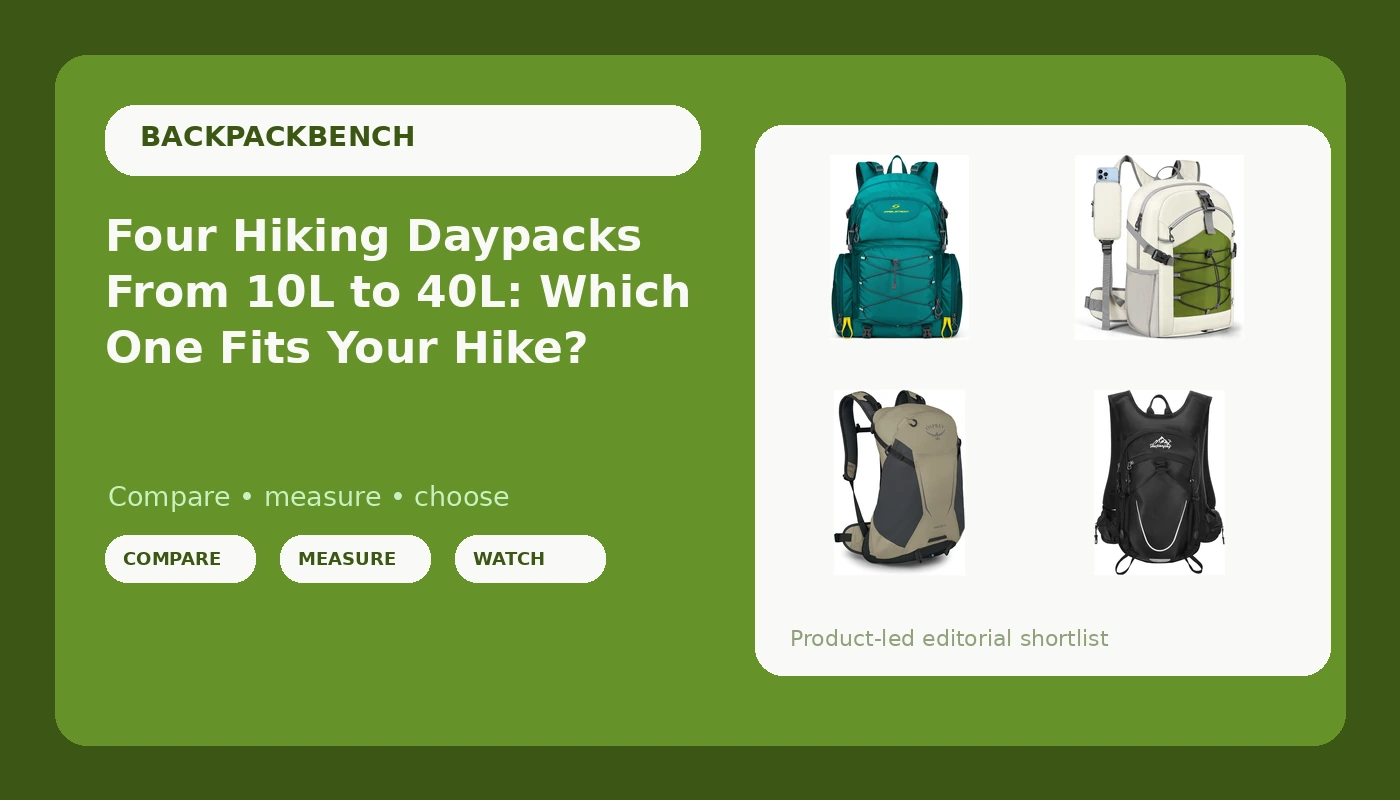
10L Lightweight Hiking Daypack Travel Backpack Camping Rucksack
Cheapest way to carry water, a shell, and snacks on a short loop, with almost nothing to adjust and nothing to break
No real hip belt, so a full load rides on your shoulders, and 10 liters runs out fast once you add layers
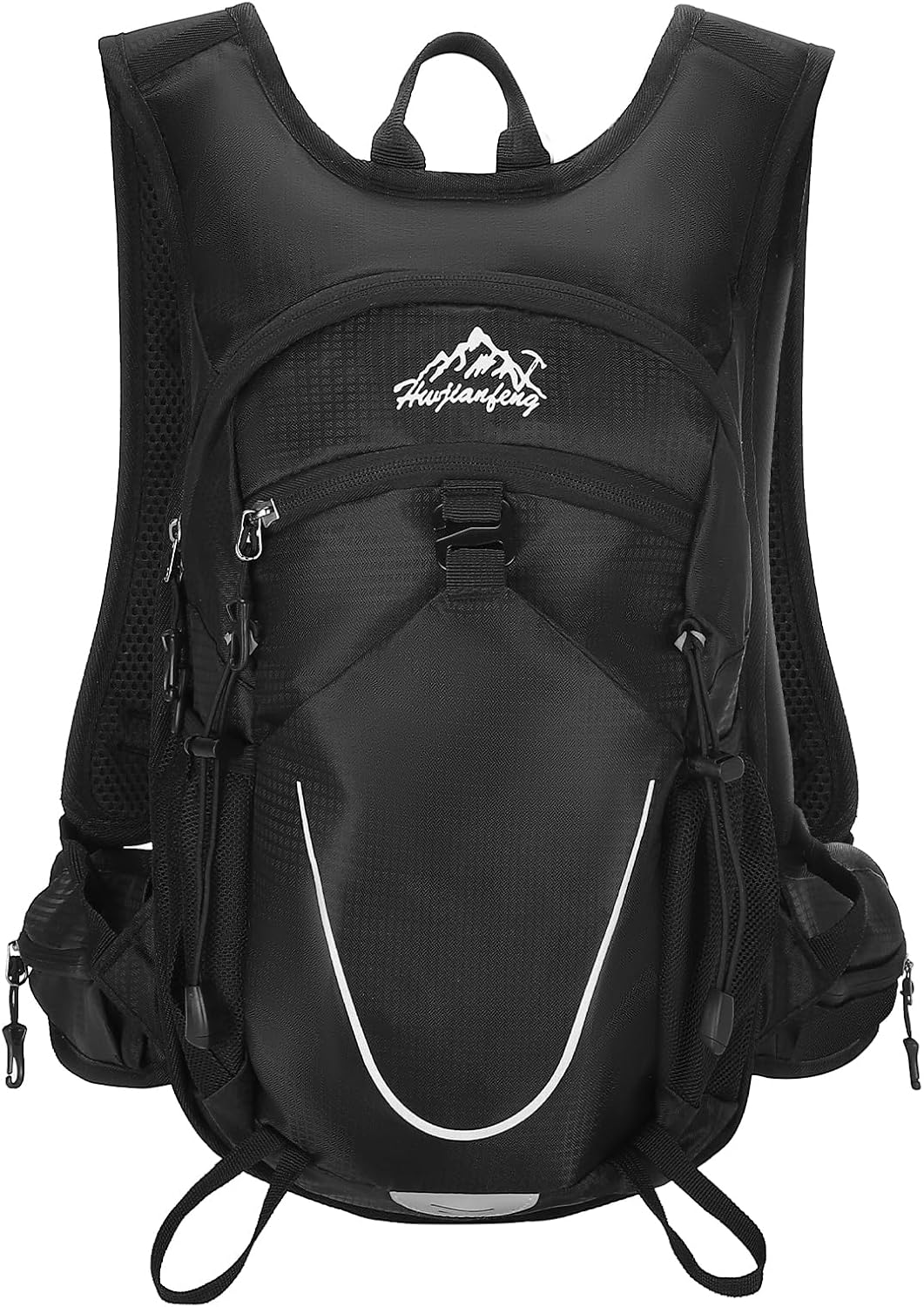
Osprey Hikelite 18L Hiking Backpack, Tan OS
The best-built pack in this group and the one most likely to still be in service a decade from now, at a volume that suits fast day hikes
You pay several times the price of the budget options for the second-smallest capacity here, and the one-size fit will not suit every torso
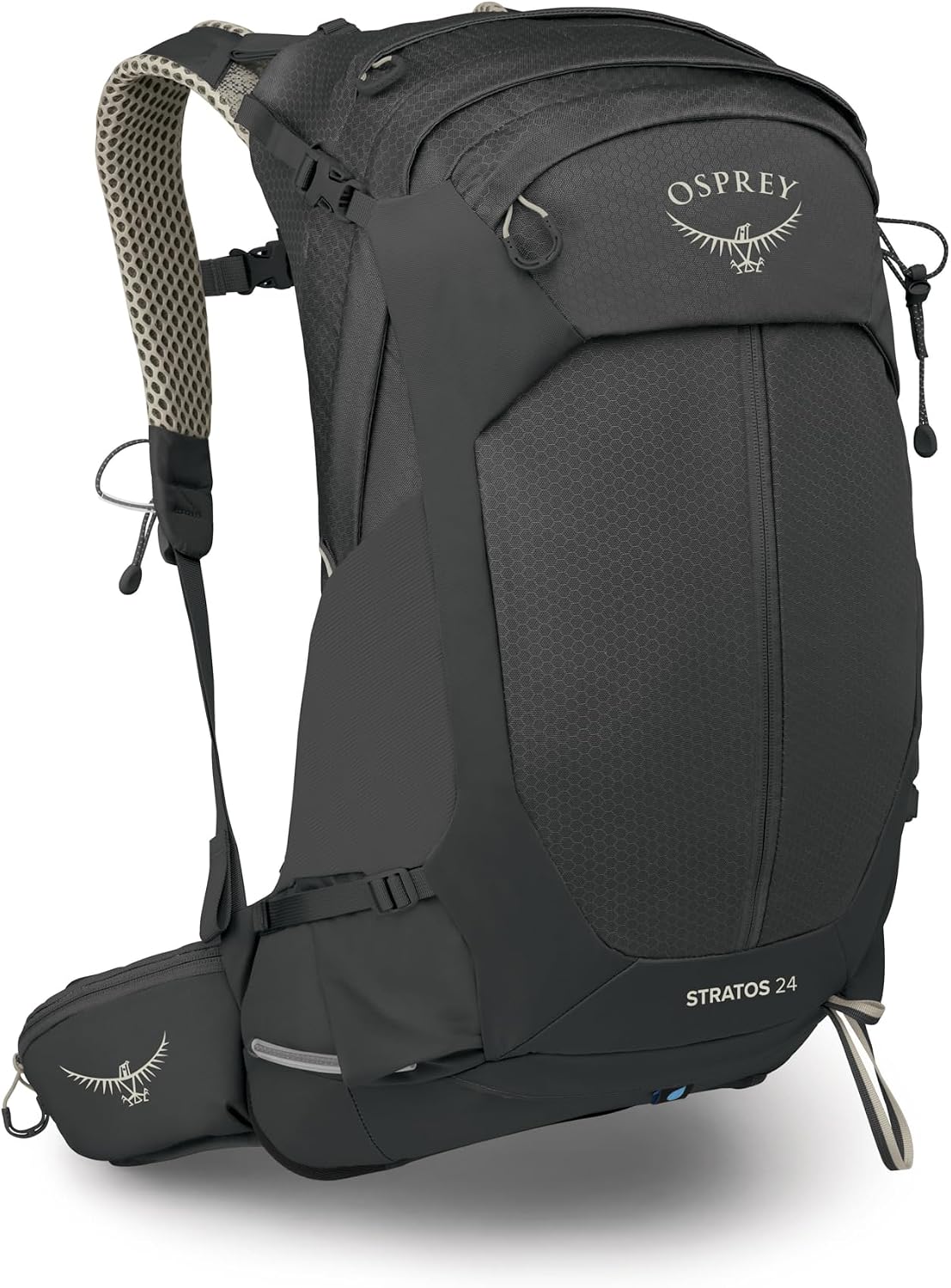
TILYMOL 30L Hiking Travel Backpack for Men Women with Hydration System
Comes with a hydration system and enough volume for a full day of layers, lunch, and a camera, at a price that leaves room in the budget
More pockets and straps to manage, and fit matters far more once you load it past 15 pounds
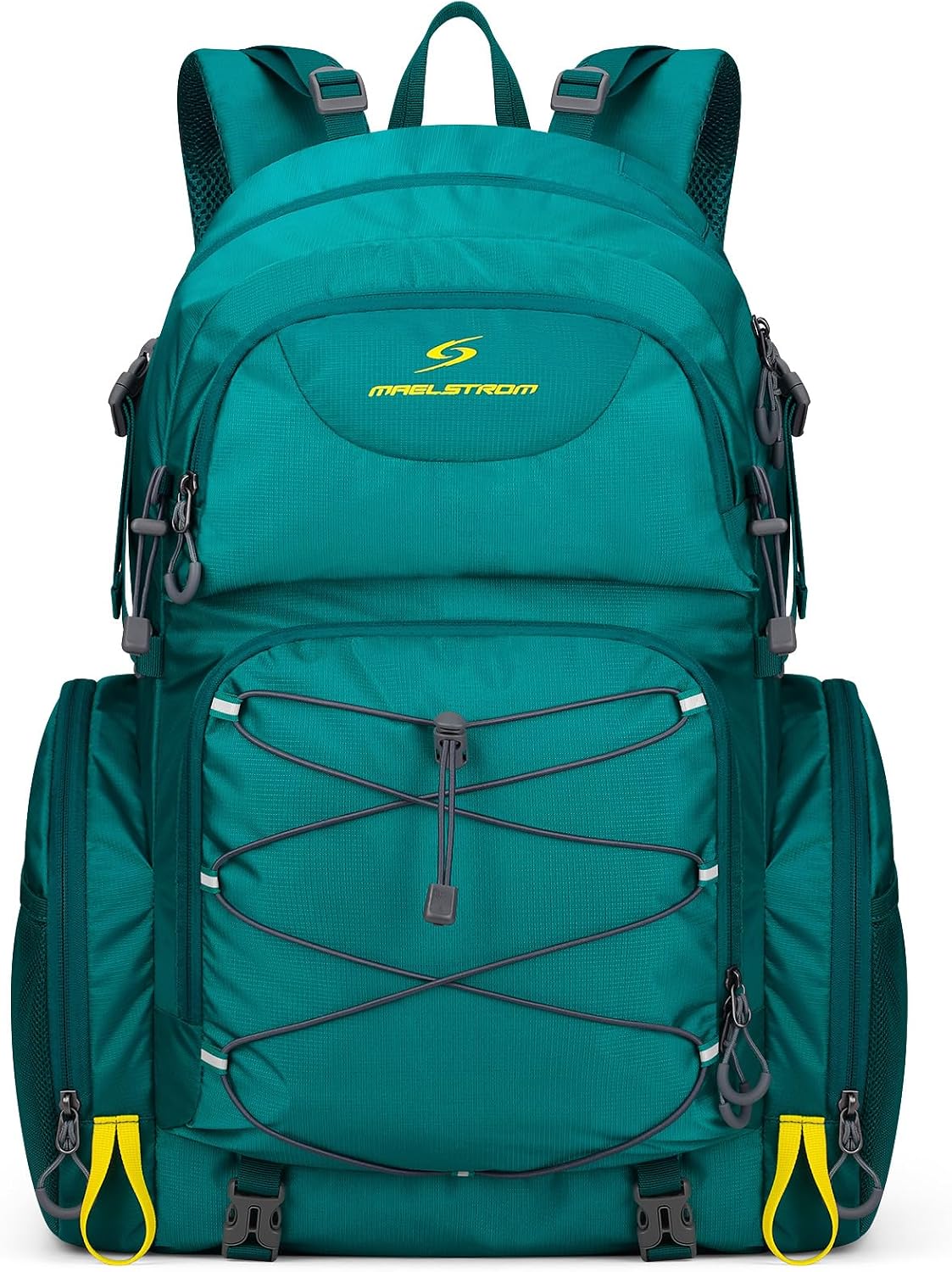
Maelstrom 40L Waterproof Hiking Backpack, Lightweight Travel Daypack
Waterproof construction and the volume to swallow a sleeping bag, food, and layers for an overnight or a wet-weather day hike
More pack than most day hikers want to carry, and 40 liters encourages you to fill 40 liters
Prices and availability were captured from Amazon Creators API and may change.
Torso length comes before liters
Every pack on this list can be made to feel wrong by a torso length that does not match. The measurement is from the bony bump at the base of your neck, C7, down to the top of your hip bones, the iliac crest. Get that number, then compare it against the size chart for the pack you are considering. A pack that sits too high will put the hip belt on your waist, where it rides up with every step. A pack that sits too low will drop the load onto your lower back.
This is the spec that almost never appears in the marketing copy, and it is the one that matters most. I have watched people buy a pack because it had the pocket layout they wanted and return it a week later because the hip belt would not stay put. I have also watched someone carry a cheap pack for 200 miles without a single hot spot because it happened to fit. Fit beats features every time.
Volume is the second decision, and it is simpler than people make it. Under 20 liters for half-day hikes and fast efforts. Twenty-five to 35 liters for a full day out with layers, food, and water. Forty liters and up if you are carrying a sleeping bag, a shelter, or a full change of clothes. The pack should be a little bigger than your typical load, never a lot bigger.
The 10 liter pack: a stripped-down rucksack for short loops
The 10L Lightweight Hiking Daypack Travel Backpack Camping Rucksack is the smallest and simplest option in this comparison. At this volume there is no suspension to speak of and no load transfer to check, because there is nothing heavy enough to transfer. You are carrying water, a shell, a phone, and a handful of snacks, and that is the whole job.
Where it wins is on a two-hour trail run, a summit push, or a tourist day where you want your hands free and nothing on your back that you have to think about. The lower price also means you can leave it in the car as a spare without feeling bad about it, and a pack you actually keep in the trunk is worth more than a nicer pack that stays in the closet.
Where it loses is the moment you try to make it do a full day. There is no hip belt doing real work, so every ounce sits on your shoulders. Ten liters fills up fast once you add a rain jacket and a second water bottle, and the pack starts to feel like a stuff sack with straps. That is not a flaw in the design, it is the design. Just do not ask it to be a 30 liter pack.
The 18 liter pack: the Osprey Hikelite, built to last
The Osprey Hikelite 18L Hiking Backpack, Tan OS is the premium pick here, and the gap in price between it and the others is real. What you are buying is construction, warranty support, and a brand that has spent decades refining how a pack carries. Osprey is the brand I recommend most often at the fitting bench, not because it is fashionable but because the packs hold up and the company stands behind them.
Eighteen liters is a genuinely useful size for a fast day hike. It holds a two-liter bladder, a shell, a first aid kit, and food for a long half day, and it still feels like nothing on your back when you move quickly. For someone who hikes three or four times a month and wants one pack to cover all of it, this is a sensible landing spot.
The trade-offs are the price and the fit. You are paying several times what the budget packs cost for the second-smallest capacity in this group. And a fixed size means you need to check your torso measurement against the chart before you order, because there is no adjustability to bail you out. If it fits, it is the pack you keep. If it does not, return it and buy the size that matches your back, even if it means a different brand.
The 30 liter pack: the TILYMOL with a hydration system
The TILYMOL 30L Hiking Travel Backpack for Men Women with Hydration System sits in the volume range I recommend to most people, and it comes with the drinking setup already sorted, which saves you a separate purchase and a compatibility question. Thirty liters is the sweet spot because it is big enough for a full day out and small enough that you are not tempted to overpack.
This is the pack I would hand to someone doing their first serious day hikes, or to a traveler who wants one bag that works on a trail and in a hostel. The hydration system matters more than people expect. Drinking on the move keeps you going longer, and a pack that makes it easy to sip without stopping is a pack you will actually use properly.
The cost of that versatility is complexity. More pockets, more straps, more zippers, and more places for a pack to feel fussy when it is empty. Once you load a 30 liter pack past 15 pounds, the hip belt and the frame become the deciding factors, and a budget pack has to work harder to keep that weight on your hips. Load it the way you plan to hike with it, not the way it looks on the product page, and check where the weight sits after a mile.
The 40 liter pack: the Maelstrom for wet weather and overnights
The Maelstrom 40L Waterproof Hiking Backpack, Lightweight Travel Daypack is the biggest pack here, and the waterproof construction is the feature that separates it from everything else on this list. In the Pacific Northwest, where I do most of my hiking, a pack that sheds rain without a separate cover is not a luxury. Rain covers are one of my least favorite pieces of gear, because they fit the pack and not the load, and they flap in wind and eventually get lost.
Forty liters is overnight territory. It will take a sleeping bag, a shelter, food, and a change of clothes, or it will take a very heavy day load in bad weather without complaint. If you are doing wet-weather day hikes or one-night trips and you do not want to think about rain protection, this is the straightforward answer.
The trade-off is that 40 liters is a lot of empty space on a normal day hike, and empty space has a way of getting filled. A heavier, larger pack also changes the fit math, because now the hip belt is doing real work and a mismatched torso length will show up as sore shoulders by the end of the day. If your day hikes are three hours long, buy the 18 or the 30 liter pack instead.
Where the trade-offs actually land
If you read the table and the sections above, the pattern is the same one I see every weekend. The cheapest pack wins on weight and simplicity and loses on capacity and comfort under load. The most expensive pack wins on durability and loses on price and adjustability. The mid-size pack wins on versatility and loses on simplicity. The biggest pack wins on weather protection and volume and loses on discipline.
Nobody can pick between those trade-offs for you, because they depend on what your Saturday looks like. What I can tell you is the order to make the decision. Torso length first, always. Volume second, based on your typical load rather than your biggest possible load. Hip belt quality third, because that is where the load lives. Everything else, pockets and straps and colorways, is organization on top of a pack that either carries weight well or does not.
One more thing worth saying plainly: a more expensive pack is not automatically a better pack for you. I have watched a hiker with a poorly fitted premium pack get passed on a climb by someone carrying a budget pack that happened to sit correctly on their hips. That is not a hypothetical. That is most group hikes I have been on.
What I am testing next
I have four women's-specific packs on the bench right now for a hip belt fit project, and each one is getting a loaded 10-mile hike with a pressure-point check at mile 8. The question I am trying to answer is whether the narrower hip belts on women's-specific models actually reduce pressure at the iliac crest, or whether they just move it somewhere else. I will publish the results when the miles are logged.
Until then, measure your torso, decide your volume honestly, and buy the pack that fits. The trail tells you in the first mile whether you got it right.