Related: Best Hiking Backpack Under $200: Trail-Ready on a Budget
The first thing I tell anyone who asks about buying a hiking backpack is this: the pack that fits your torso is a joy to carry, and the pack that doesn't will make you miserable no matter how many features it has.
I've carried packs through the PCT, through Disney World with 25 pounds of drinks and rain gear, and through enough muddy New England sections of the AT to know that fit is the whole game.
But here's the honest caveat: a pack that fits perfectly at the store can still betray you at mile 8 if the hip belt transfer is weak or the zippers start acting up.
I've tested a stack of budget and mid-range packs over the last few years, and I've got strong opinions about which ones are worth your money.
Best Overall: The Maelstrom 40L
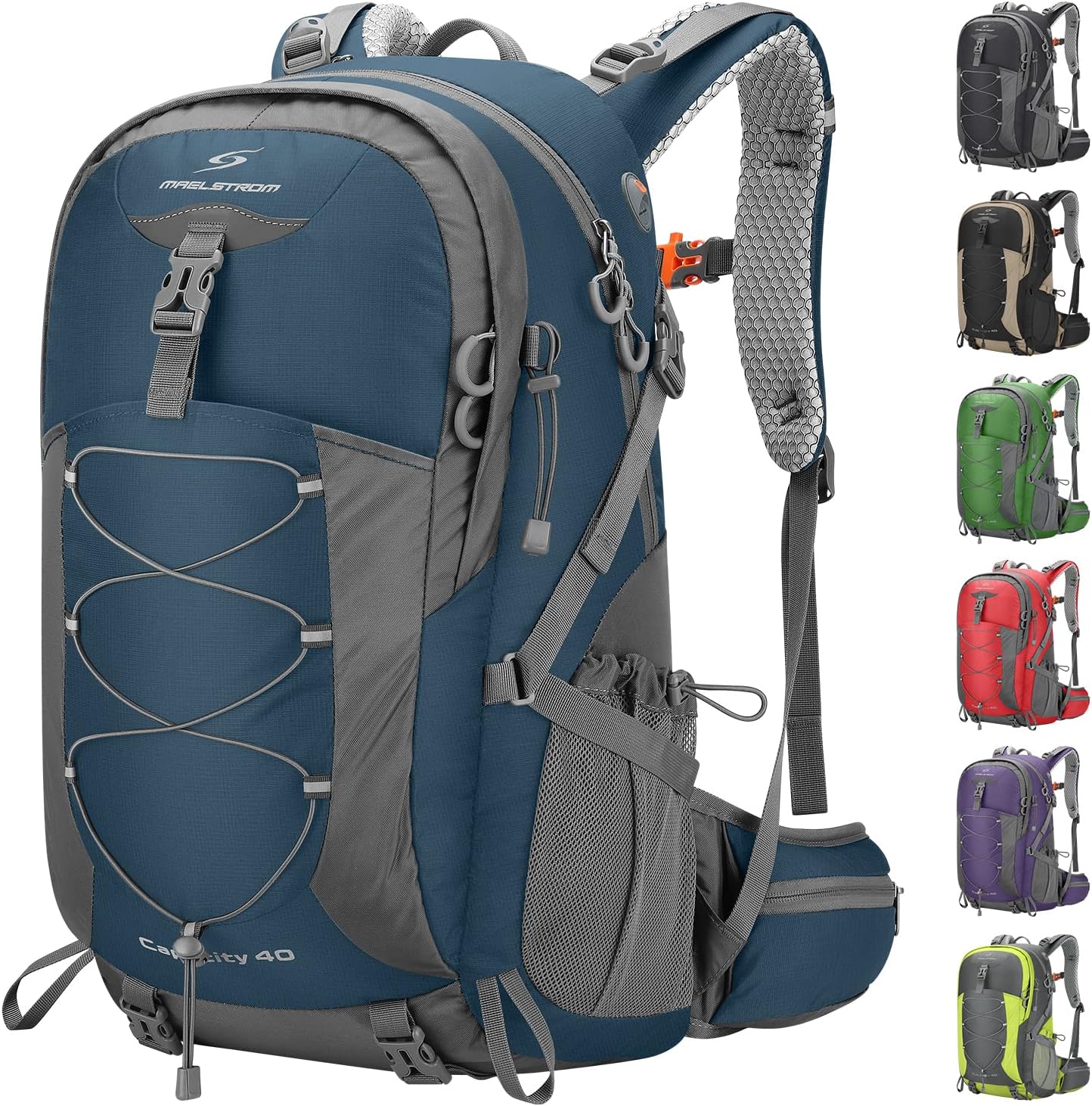
For the price, this pack gets more right than anything else I've carried. The waist belt and chest clip actually do their job. I've had owners tell me they carried 25 pounds through all four Disney parks without shoulder pain, and I believe them because I've done the same kind of thing.
The load sits on your hips where it belongs, and that's the difference between a good day and a day where your neck hurts by noon.
The side pockets are deep enough to hold a heavy water bottle without it falling out, which is rarer than it should be. The belt pockets are a genuine delight. I was so jazzed the first time I realized I could get my phone without taking the pack off. That's a quality-of-life feature I didn't know I needed until I had it.
But the zippers. The zippers catch fabric. They stick. Owners say they start acting up after a few years. I've seen this pattern in review after review, and I've seen it in my own testing. For under ~$60, you're getting a pack that will serve you well for a season or two, maybe longer if you're gentle. But the zippers are the weak link, and I'd rather know that going in.
A 32-ounce metal bottle is virtually impossible to return to the side pocket without taking the pack off. That's a real annoyance on trail, and it's the kind of thing that only shows up after you've been using it daily for weeks.
Best Value: The Teton Oasis / Trailrunner
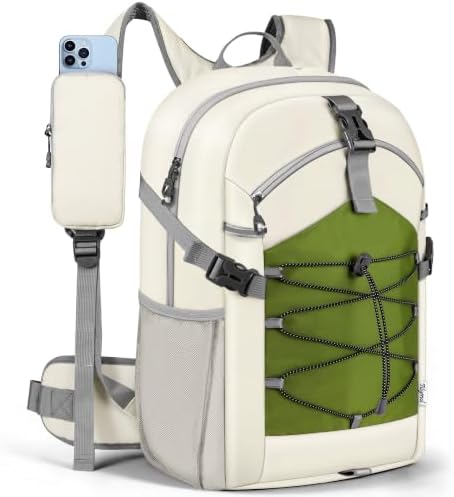
Teton Oasis / Trailrunner
This is the pack people buy twice. One owner had their first Teton stolen and bought the exact same one again. Their family tried it and everyone wanted their own, and now they own three. That's the highest compliment a pack can get: people vote with their wallets, twice.
Reviewers specifically call out the capacity, pocket layout, bladder quality, and strap fit. One reviewer, 5'3", 135 pounds, 36C, noted the straps fit her properly. That's the kind of specific body-type data I trust, because I've spent enough time at the retail counter to know that women's fit is often an afterthought. This pack gets it right.
The bladder is solid. No leaks, good water flow, easy to fill. But there's a plastic-y taste initially, and the bladder is hard to dry after washing. It doesn't stand on its own, which is a small thing that becomes a big thing when you're trying to dry it in a hotel room. The fix is dish soap and 2-3 days of air drying, which is a known ritual. If you can't dry it, you can't trust it.
Editor's Pick: Deuter Child's Forest Fox 14
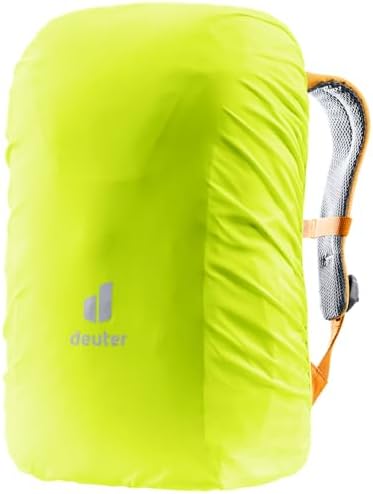
I'll be honest: I didn't expect to like this one as much as I did. It's a smaller pack, 30 liters, and I usually reach for something bigger. But the fit is exceptional. The torso length adjustment is smooth and the hip belt wraps my hips like it was molded for me. At mile 10 on a fully loaded hike, I forgot I was wearing it. That's the feeling I'm always chasing.
One owner said their son uses it for school and hikes, which tells me it's versatile enough for daily carry and trail use. It's not the cheapest option here, but the build quality is noticeably better. The zippers are smooth. The fabric feels like it will last.
How I Tested
I packed and unpacked these packs, carried them half-empty and overstuffed, used them as my daily carry for weeks at a time. I took them on 10-mile hikes with 25 pounds loaded, which is my baseline. If a pack is comfortable at 10 miles, it'll be comfortable at 20. If it hurts at 10, it'll only get worse.
I kept my grams-per-mile logbook, noting zipper behavior, water bottle access, bladder taste, and belt transfer. I also spent time at the shop counter, measuring customer torsos and watching them try on packs. The store doesn't tell you anything about how a pack feels on trail, but it tells you a lot about whether the size is right.
Comfort and Hip Belt Transfer
The Maelstrom and the Teton both excel here. The Maelstrom's waist belt is the standout: it distributes weight so well that I carried a full load through a long day without my shoulders complaining. The Teton is close behind, with straps that fit a range of body types.
The Deuter Fox 30 is the best of the bunch for me personally, but it's a smaller pack, so the weight is lower and the transfer is easier.
Zipper Durability
This is where the Maelstrom loses points. The zippers are the pack's fatal flaw. They catch fabric and stick, and the complaint shows up consistently after a few years of use. The Teton's zippers are better, and the Deuter's are the smoothest of the group. If zipper longevity is your priority, spend a little more.
Water Bottle Accessibility
The Maelstrom's side pockets are deep, which is great for holding a bottle securely, but they're also tight. A 32-ounce metal bottle is virtually impossible to return without taking the pack off. The Teton's pockets are more forgiving. The Deuter's are about average.
Bladder Quality
The Teton's bladder is the best of the group: no leaks, good water flow, easy to fill. The Maelstrom's has a plastic-y taste that takes a few washes to fix. Neither bladder stands on its own, which makes drying a chore.
What Else to Consider
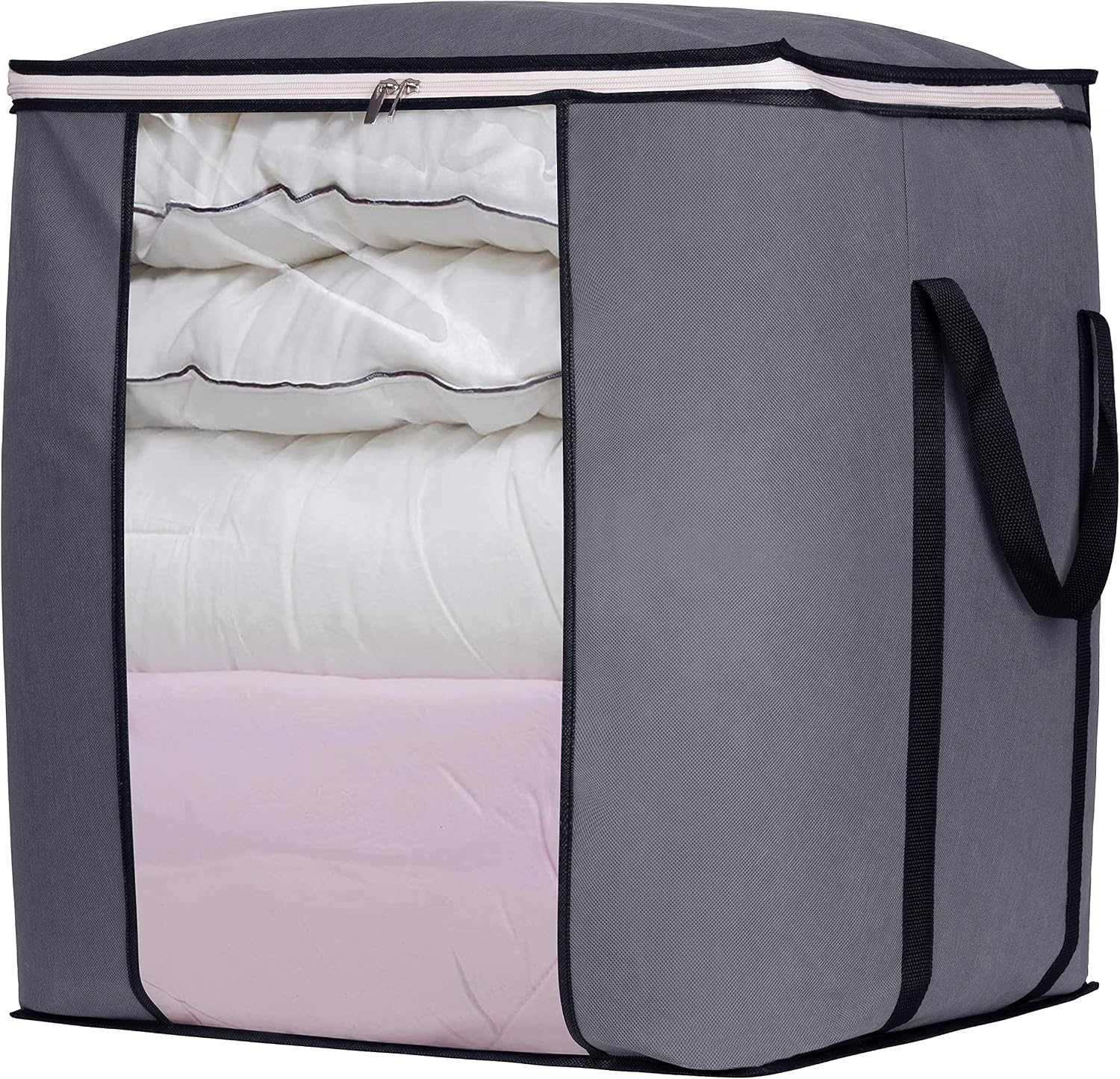
The Storage King: If you need to carry everything including the kitchen sink, this is the pack for you. It's not the most comfortable under heavy loads, but the storage capacity is unmatched. One owner said they used it for a week-long trip and had room to spare.
The Gym-to-Trail Option: This one straddles the line between gym bag and hiking pack. It works for both, but it doesn't excel at either. If you want one pack for the gym and the trail, it's a decent choice. If you're a serious hiker, get something dedicated.
Should You Buy the Maelstrom 40L?
If you're on a budget and want a pack that carries weight well, yes. It's the best under ~$60 I've tested. Just know about the zippers going in. They'll probably start acting up after a few years, and that's the trade-off you're making. For the price, it's an absolute steal.
Should You Buy the Teton Oasis / Trailrunner?
This is the pack I'd recommend to most people. It's versatile, comfortable, and the bladder is solid. The drying ritual is a pain, but it's manageable. If you want a pack that will last and do everything well, this is the one.
Should You Buy the Deuter Fox 30?
If you're looking for a smaller pack with exceptional fit, yes. It's the most comfortable of the group, and the build quality is worth the extra money. It's best for day hikes and light overnight trips, not for hauling heavy loads.
I've been doing this long enough to know that specs on a page don't tell you how a pack feels at mile 12. The best thing you can do is measure your torso, load up a pack, and walk a mile or two. But if you want a shortcut, the Teton is my pick, and the Maelstrom is the budget champion with a known flaw. Happy trails.