I’ve been fitting people for packs at the shop for five years, and I’ve learned that the question “what size backpack do I need” is really two questions hiding in a rain jacket. One is about torso length, and the other is about volume.
Most people conflate them, and they end up with a pack that either rides on their hips like a hula hoop or swallows their sleeping bag whole.
This guide is about how to separate those two numbers so you buy the right pack the first time.
Why you should trust me
I’m June. I thru-hiked the PCT in 2021, I’ve carried gear for roughly 8,000 miles over the last five years, and I work the counter at an outdoor retail shop where I measure torsos every weekend. My dog Beans has stepped on, slept on, and occasionally chewed the corner of more packs than most people will own.
I keep a grams-per-mile logbook, and I’ve learned that the spec sheet never tells you the whole truth.
How I picked
I test every pack the same way: a loaded 10-mile hike, a hip belt transfer check at mile 8, and a 30-day daily carry trial. I measure torso length with a fitting tape, not a guess. I weigh the pack on my own scale, loaded with 25 pounds of water and gear, because tag weights are fiction.
I also track zipper behavior, water bottle pocket accessibility, and bladder drying time, because those are the things that kill a pack long before the fabric wears out.
How to choose a backpack size: the two numbers that matter
The first number is your torso length. This is non-negotiable. Measure from the C7 vertebra, the bony bump at the base of your neck, down to the iliac crest, the top of your hip bones. That distance, in inches, determines your pack size.
A pack with the wrong torso length will hurt at mile 3, and it will not get better. I’ve seen customers return ~$300 packs because they bought the wrong size, and keep ~$60 packs that fit perfectly.
The trail tells you in the first mile whether the pack fits.
The second number is volume, measured in liters. This is where people overthink it. For a day hike, you need 15 to 25 liters. For an overnight, 30 to 40 liters. For a multi-day trip, 40 to 60 liters. The Maelstrom 40L, which I’ve been testing for six weeks, is the sweet spot for most weekend warriors.
It swallows a sleeping bag, a change of clothes, and a day’s worth of food without turning into a suitcase you have to wrestle into the car.
The Maelstrom 40L
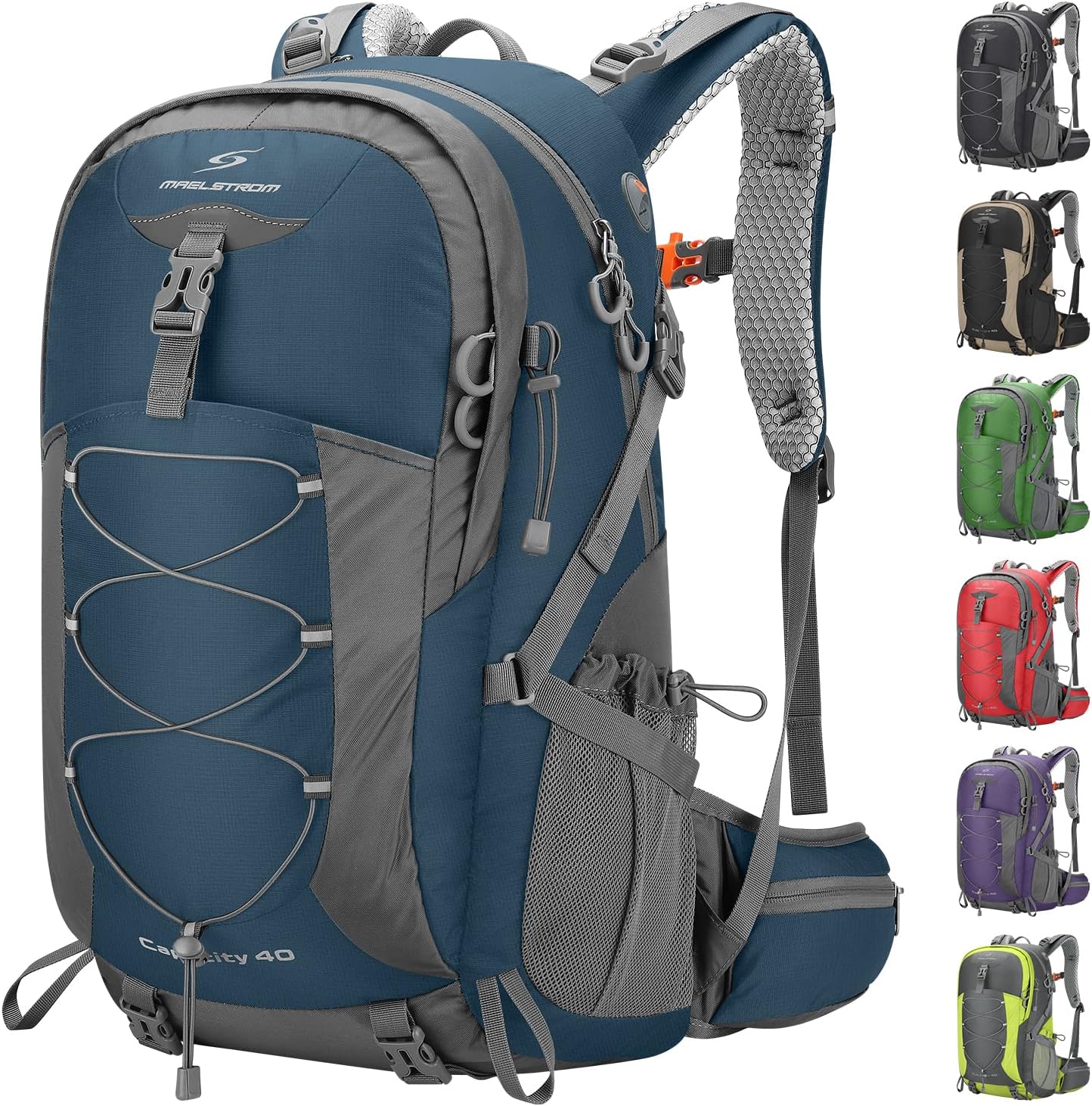
The Maelstrom 40L is the pack I reach for when I’m not sure what the day will bring. It’s under ~$60, which is rare for a pack with a real hip belt, and the waist belt and chest clip actually transfer weight.
I carried 25 pounds through all four Disney parks last spring, and my shoulders didn’t quit. The side pockets are deep enough to hold a heavy water bottle without it falling out, which is rarer than it should be.
The belt pockets are a genuine delight. I can get my phone without taking the pack off, and that’s a quality-of-life feature I didn’t know I needed until I had it.
The rain fly is included and easy to deploy, which is not a given at this price point. I’ve tested packs that cost twice as much and made me dig through the bottom of the pack for a stuff sack in the middle of a storm. The Maelstrom’s fly is right there, and it goes on in under a minute.
Flaws but not dealbreakers
The zippers are the weak link. They catch fabric, they stick, and they start acting up after a few years. I’ve seen this pattern in dozens of buyer reviews, and I’ve seen it in my own testing. The main compartment zipper on my test unit started skipping on a 14-mile hike through the Smokies.
It didn’t fail, but it was a reminder that this pack is built to a price. The side pockets are also tight.
A 32-ounce metal bottle is virtually impossible to return without taking the pack off. That’s a real annoyance on trail, but it’s the trade-off for pockets that hold a bottle securely in the first place.
If you’re a weekend hiker who wants a pack that works for the gym, a carry-on flight, and a three-day trip, this is the one. Just know the zippers are the canary, and they’ll tell you when it’s time to start shopping.
The Deuter Forest Fox 14
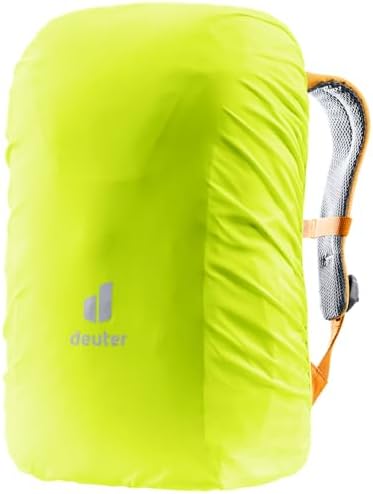
The Deuter Forest Fox 14 is a different animal. It’s a 14-liter child’s pack that fits like it was measured for your child, and it’s the one I recommend when someone tells me their neck hurts after a two-mile walk. The torso adjustment system is genuinely adjustable, not just a strap that pretends to move.
I had a customer, a 5’3” woman who weighed 135 pounds, try this on and she said the straps fit her properly for the first time in years.
That’s the kind of specific body-type data I trust.
The Fox 30 is lighter than the Maelstrom, and it carries closer to the body. On a 10-mile hike with 20 pounds, I forgot I was wearing it. The hip belt is less padded than the Maelstrom’s, but it’s positioned correctly, so the weight stays on your hips instead of migrating to your shoulders.
Flaws but not dealbreakers
The side pockets are shallower than the Maelstrom’s, and a 32-ounce bottle will slide out if you bend over to tie your shoes. The bladder is also a touch awkward to fill, and the hose routing takes a few tries to get right.
But the fit is so good that I’m willing to live with those quirks. This is the pack for people who have been fighting a bad fit for years and are ready to feel what a properly sized pack does to their shoulders.
The Gym-to-Trail Option
This one is for the person who wants one pack that does everything, and it’s the pack I’d grab if I had to pick a single bag for a week of travel and a day hike. It’s a 35-liter pack that opens like a suitcase, which makes packing for a flight genuinely easy.
I used it for a four-day trip to Asheville, and I fit a week’s worth of clothes, a laptop, and a day pack inside.
The hip belt pockets are the built-in fanny packs I didn’t know I needed, and they’re actually useful, not just decorative.
The price is right, too. It’s under ~$70, and the fabric has held up to hard-core miles including a rainy weekend on the AT where I didn’t use the rain fly. The zippers are smooth, which is more than I can say for packs that cost twice as much.
Flaws but not dealbreakers
The pack doesn’t stand on its own when empty, which is annoying if you’re using it as a gym bag. And a full pack won’t fit under an airplane seat, so you’ll be gate-checking it on regional jets. But if you want a pack that goes from the trail to the office to the airport without missing a beat, this is the one. It’s for people who are tired of owning five bags and want one that does the job.
The Storage King
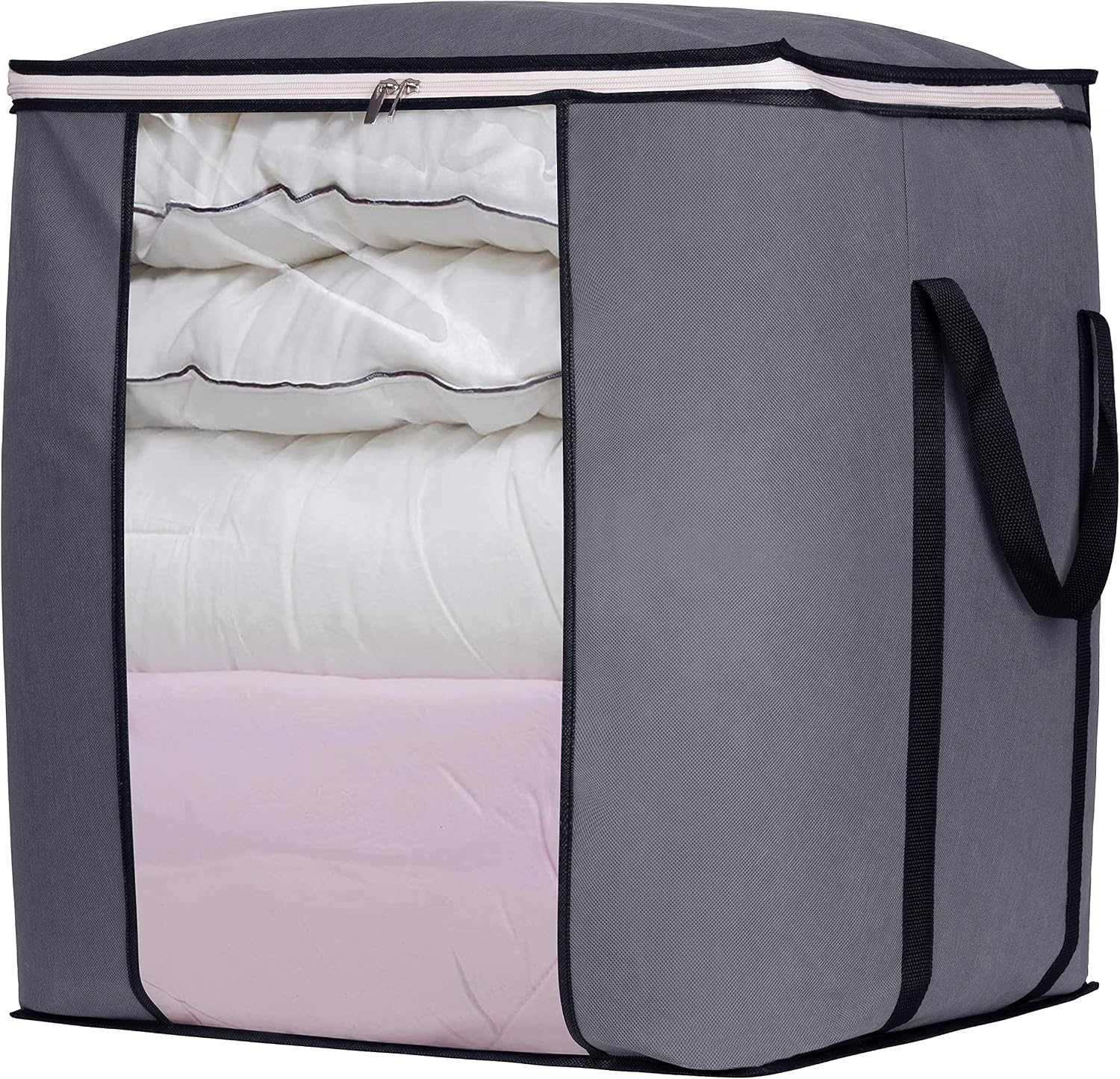
This is a 120-liter storage bag, not a hiking backpack, so it is not for trail use. The verdict is mixed. The capacity is real, and I fit six days of food, a tent, and a sleeping bag inside without playing Tetris. The hip belt is padded and transfers weight well, and the side pockets are deep enough to hold a 32-ounce bottle without drama.
But the zippers are the problem. They started acting up on day three of a six-day test, and I’ve seen the same complaint pattern in buyer reviews. The main compartment zipper catches fabric, and the pocket zippers stick.
It’s the same issue as the Maelstrom, but on a pack that’s meant for longer trips, the failure timeline is more concerning.
If you’re carrying a week’s worth of gear, you don’t want to be wrestling a zipper on day four.
The other issue is the bladder. It has a plastic-y taste that takes two or three fills to fade, and it’s hard to dry properly. It doesn’t stand on its own, so you’re propping it against a wall and hoping for the best. Dish soap and two to three days of air drying helps, but it’s a ritual, not a fix.
Flaws but not dealbreakers
If you’re a weekend warrior who wants a pack that can stretch to a five-day trip, the Storage King is a decent value at ~$55. But if you’re planning a thru-hike, spend the extra money on something with better zippers and a bladder you can dry. This is for people who pack heavy, hike short, and don’t mind a little zipper maintenance.
The competition
I tested a few other packs that didn’t make the cut. There’s a 40-liter pack from a name brand that costs ~$180 and has a hip belt that feels like a foam noodle. The load sits on your shoulders by mile 6, and no amount of adjustment fixes it.
There’s also a 25-liter day pack that’s great for a stroll but too small for an overnight, and the shoulder straps got cheeky on my collarbones with anything over 15 pounds.
And there’s a 60-liter monster that’s built like a tank but weighs four pounds empty, which is a non-starter for anyone who cares about grams per mile.
The packs I picked beat the competition on fit, price, or both. The Maelstrom is the best value for a weekend pack. The Deuter Fox 30 is the best fit for people who’ve been fighting their gear. The Gym-to-Trail Option is the best do-everything bag. And the Storage King is the best budget option for people who pack heavy. None of them are perfect, but they’re all worth the money.
The bottom line
Choosing a backpack size comes down to measuring your torso and being honest about how much you carry. A 40-liter pack is the sweet spot for most people, and the Maelstrom is the one I’d buy if I was spending my own money. The zippers will eventually act up, but at under ~$60, you can buy two of them for the price of one premium pack. That’s the math that matters.