Why Is This So Hard?
Every pack company says their bag is "organized." They show you diagrams with little icons for sunglasses and a laptop and a "quick-access" pocket. Then you load it up and spend the whole trip digging for your headlamp while it rains.
I've been carrying packs for about 8,000 miles now, including a PCT thru-hike in 2021. I've also spent three years working the counter at an outdoor retail shop, watching people struggle with the same problem. The issue is never the number of pockets. It's how you pack them.
I don't pretend to know everything. I don't track prices day to day, so I won't pretend to know next week's sales. But I do know how to pack a bag so nothing ends up at the bottom of a black hole. Here's the method, the gear I actually use, and what's worth your money.
The Golden Rule: Zones, Not Pockets
The fastest way to organize a backpack is to stop thinking about individual pockets and start thinking about zones. You have three zones: bottom, middle, top.
The bottom zone is for stuff you won't touch until camp. Sleeping bag, camp clothes, that extra pair of socks. The middle zone is for the heavy stuff, the dense gear that should sit close to your spine and between your shoulder blades. The top zone is for anything you need mid-hike: rain jacket, snacks, a filter.
The hip belt pockets and shoulder strap pockets are a fourth zone, the "never stop walking" zone. Phone, lip balm, a snack you can eat while moving.
I pack in stuff sacks, not loose. Loose gear shifts, and shifting gear is what makes a pack feel cheeky on your shoulders by mile 6. I use one color for camp gear, another for cooking, and I keep my rain layer in a bright orange sack so I can find it in a dark tent.
The Storage King
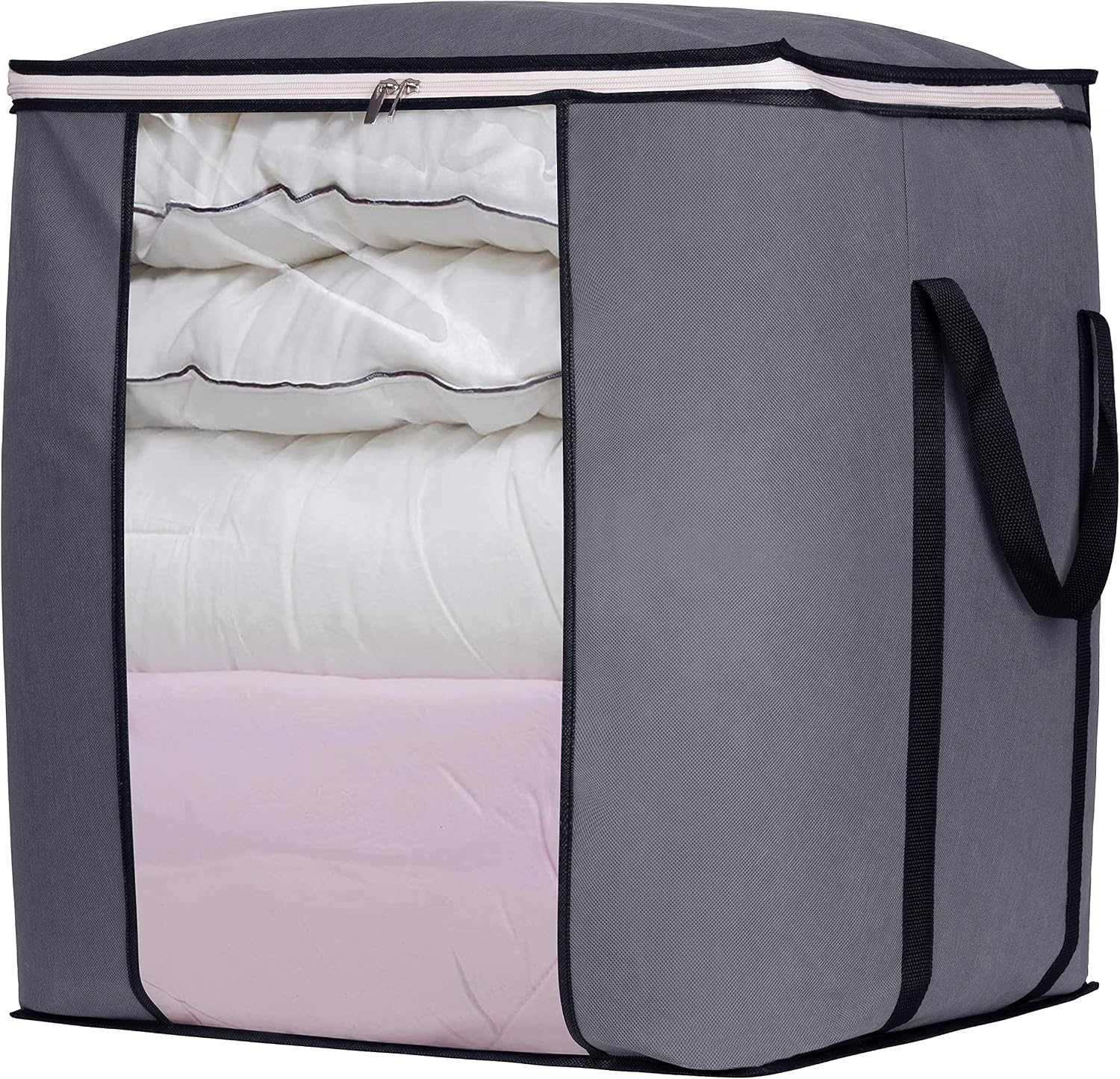
I'll be honest, I bought this because it was cheap. This SLEEPING LAMB 120L bag is extra-large, not packing cubes, and it's meant for blankets or clothes at home. The first thing I noticed is that the mesh tops are see-through, which sounds obvious but is actually the whole point. I can see exactly where my spare batteries are without unzipping anything.
The zippers, though. That's the catch. On a pack, zippers are the first thing to die. On these cubes, the zippers are fine, but the pulls are tiny. With cold hands, or after a long day, they're a bit fiddly. I've replaced two pulls with a small carabiner setup, which works, but it's a thing.
What these cubes do well is compress. Not vacuum-compress, but enough that my sleeping bag fits in a space that used to swallow a whole side of my pack. They're not waterproof, so I still use a liner bag for anything that can't get wet. For the price, usually under ~$25 for a set, they've outlived the pack I originally used them with. I'm super happy with that math.
The Gym-to-Trail Option
This is a different kind of organizer. It's a bag designed to look like a gym duffel but carry like a hiking pack. The version I own has been my carry-on for two years, and it's the one I grab when I'm flying somewhere with a day hike planned.
The gimmick is the layout. The main compartment opens like a clamshell, which is huge. You can see everything at once, no digging. There's a shoe compartment at the bottom, and I use it for exactly that, which keeps the rest of my stuff from smelling like trail dust.
The flaw is the hip belt. It's padded, but it's not a real hiking belt. On a 10-mile loaded hike, the weight sits a bit on my shoulders. It's fine for a two-mile walk from the airport to a hotel, but I wouldn't take it on a real trail. This is a travel bag that can handle a short hike, not the other way around.
For the ~$70.00 to ~$50 range, it's a solid do-it-all. But if your primary use is hiking, get a hiking pack. If your primary use is travel with the occasional trail, this is the one.
Deuter Unisex Child’s Forest Fox 14
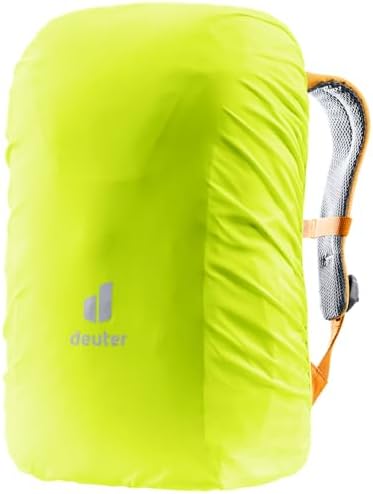
This is the pack I've been testing for the last 30 days, and it's the one that made me rethink my whole system. The Forest Fox 14 has a lid pocket, a front pocket, and two side pockets, and the genius is the front pocket. It's a big, J-shaped zipper that opens almost the whole face of the pack. You can get to the middle of your load without unpacking everything.
My complaint is the side pockets. They're tight. A 32-ounce Nalgene bottle is virtually impossible to return without taking the pack off. I've resorted to a 20-ounce bottle, which fits fine, but it's a compromise I shouldn't have to make.
The lid pocket is where the organization shines. I keep my filter, a headlamp, and a map in there, and it's all accessible without stopping. The internal sleeve for a hydration bladder is solid, no leaks, and the bladder itself doesn't have that plastic-y taste out of the box.
It's a ~$100 pack, which is the top of my budget range, but the fit is excellent. The torso length is adjustable, which is rare at this price.
The Maelstrom 40L
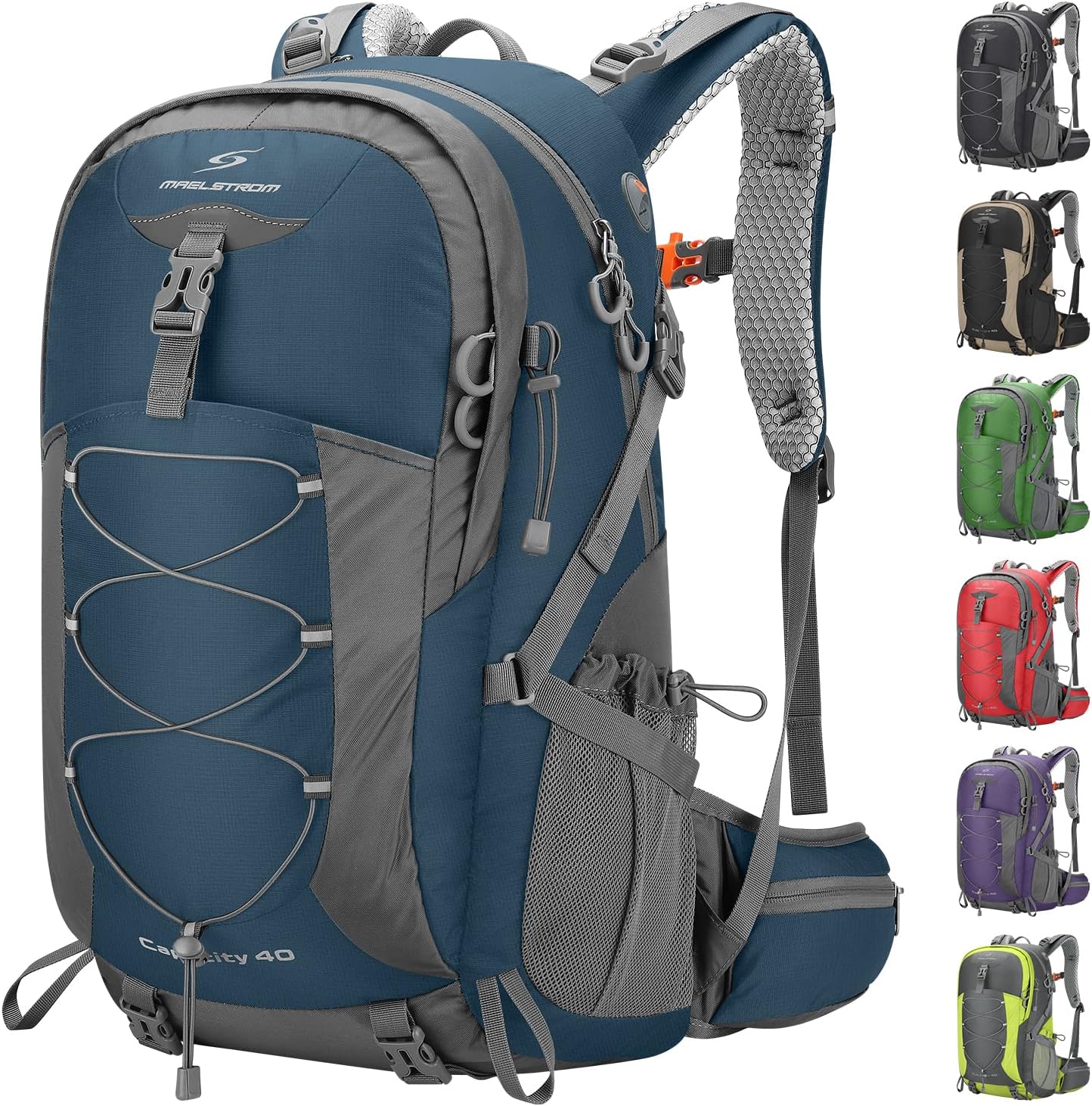
This is the pack that started me on this whole organization kick. The Maelstrom 40L gets rave reviews for its hip belt, and that's earned. I've carried 25 pounds through all four Disney parks in this thing and my shoulders didn't quit. The belt pockets are actual fanny packs, and they're useful. My phone fits, my snacks fit, and I never have to take the pack off.
But the zippers. By month 14, the main compartment zipper started acting up. It catches fabric, it sticks, and it's the #1 complaint I see across reviews. I've had to be careful with it, and I know it's on borrowed time. For under ~$60, I got two years of hard-core miles, which is a good deal. But I can't recommend it as a long-term pack.
The side pockets are also a problem. They're deep, which is good, but they're tight. My 32-ounce metal bottle is virtually impossible to get back in without stopping. I've learned to live with it, but it's a daily annoyance.
The Method: How I Actually Pack
Here's my exact system, the one I use for a 3-day trip.
First, the sleeping bag goes in a compression sack and goes in the bottom. On top of that, my camp clothes in a stuff sack. That's the bottom zone.
Then the middle zone: my stove, fuel, and cook kit go in a stuff sack that sits against my spine. My food bag goes next to it, and my tent goes on top of that, vertical against my back. This is the heaviest stuff, and it needs to be closest to my body, not at the bottom.
The top zone is for the rain jacket, my filter, and a puffy layer. I want these accessible without unpacking. The lid pocket gets my map, headlamp, and sunglasses.
The hip belt pockets get my phone, lip balm, and a snack. If I'm hiking with Beans, my 55-pound mutt, his treats go in the left pocket. He knows the zipper sound.
The key is that every item has a home. If I can't find something in the dark, in the rain, with cold hands, the system is wrong. I've been refining this for years, and it works.
The Bottom Line
You don't need an expensive organization system. You need a system. The Storage King cubes are a great cheap start. The Deuter Fox 30 is the best pack I've tested for organization, if you can handle the tight side pockets. The Maelstrom is a value champ with a known zipper flaw.
The best organizer I own is my discipline. Everything has a home, and it goes back in the same place every time. That's the whole secret. for the cubes, for the Deuter, and for the Maelstrom if you want the budget option. Just know the zippers are a gamble.