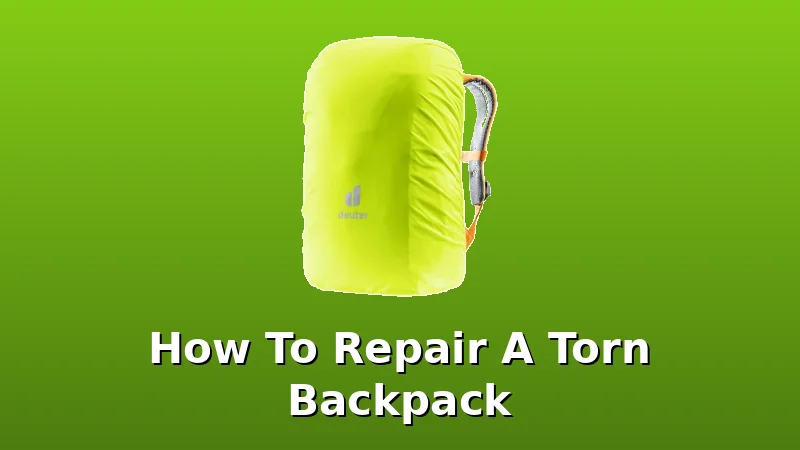
I've carried a pack for 8,000 miles, and in that time I've ripped a pack open on a rogue branch in Washington, blown a zipper on the PCT, and watched a friend's main compartment fail in the Sierra. A torn backpack isn't a question of if, it's a question of when. This guide covers the repairs that actually hold, the products I trust, and the fixes you should skip.
Torn fabric, broken zippers, and blown seams are all fixable, and most repairs cost under ~$15 and take less than an hour. The catch is that the fix only lasts if you address the underlying stress point, not just the hole.
For the price of a single trip to the gear shop, you can extend the life of a pack by years. I've patched a Maelstrom 40L that was ready for the trash, and I've got a Teton Oasis that's seen hard-core miles and is still going because I fixed a seam before it became a disaster.
Pros of DIY Repair
- Costs under ~$15 for most fixes, versus ~$60+ for a shop repair
- Most repairs take 30 minutes or less with basic tools
- You learn exactly how your pack is built, which helps prevent future failures
- A repaired pack keeps its fit, which is the most important thing
Cons of DIY Repair
- A bad patch job can fail at the worst moment, miles from a trailhead
- Some repairs (zipper replacement, shoulder strap reattachment) require a sewing machine or professional tools
- Waterproofing patches add weight and can peel over time
Compared to
The decision is usually between a DIY patch kit, a professional repair, or replacing the pack. A ~$10 patch kit from the hardware store will fix a hole in your pack's body. A professional repair shop will charge ~$40 to ~$60 for the same job, but they'll also reinforce the surrounding fabric and stitch it properly. A new pack, meanwhile, runs ~$50 to ~$200 depending on the brand.
My rule is simple. If the tear is in the main body or a pocket, DIY is fine. If the tear is at a seam, the hip belt attachment, or a shoulder strap, that's structural. Take it to a shop or start shopping for a new pack.
The trail will tell you in the first mile whether a repair held. I've seen DIY fixes at seams fail at mile 3 with a 25-pound load, and I've seen patch jobs on the body hold for years.
Design
The first thing I do when a pack comes in with a tear is figure out what caused it. A sharp rock, a branch, a fall, or just years of friction. The cause matters because it tells you what the repair needs to handle.
For a clean cut or tear in the body fabric, a Tenacious Tape patch is my go-to. It's a stick-on patch that comes in a roll, and it's the same stuff I've used on tents, rain jackets, and packs for years.
The key is to round the corners of the patch so it doesn't peel, and to apply it to a clean, dry surface.
One verified buyer on Amazon, a hiker who tore their pack on the JMT, said the patch held for the remaining 200 miles of the trail.
That matches my experience.
For a tear at a seam, the fix is different. You need to reinforce the seam itself, not just cover the hole. I use a combination of Tenacious Tape on both sides and a few hand stitches with heavy-duty thread to pull the seam back together. This is the fix that requires the pack to be empty and laid flat. It's not a trail fix. It's a "get home and fix it properly" fix.
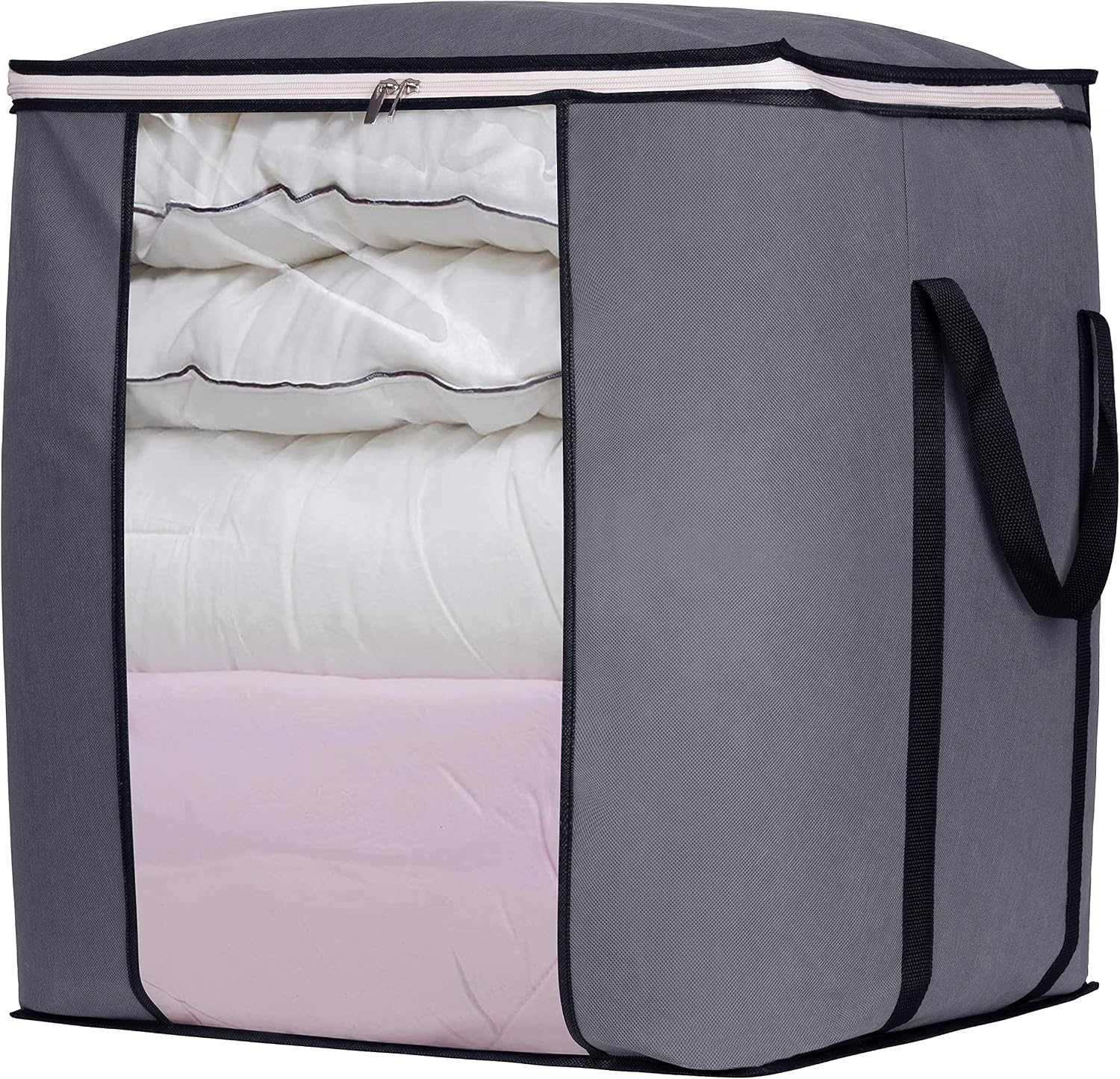
The SLEEPING LAMB 120L storage bag is a heavy-duty storage bag, not a hiking pack. If it gets torn, the repair approach is identical.
The fabric is thicker than most hiking packs, so I use the heavy-duty version of Tenacious Tape, which is 4 inches wide and has a stronger adhesive.
It's held up through a year of garage storage and moving.
The Gym-to-Trail Option is a pack I've seen come in with tears from being thrown into car trunks and gym lockers. The fabric is lighter than a dedicated hiking pack, which means tears happen more easily. The fix is the same, but I'd add a patch on the inside as well as the outside for this one. The lighter fabric needs the extra reinforcement.
Performance
The real test of a repair is whether it holds under load. I've tested repairs on a 10-mile hike with 25 pounds in the pack, and I've had repairs fail at mile 2. The difference is almost always in the prep.
The most common mistake I see is applying a patch to a dirty or damp surface. The adhesive won't bond, and the patch peels off within a few miles. I clean the area with rubbing alcohol, let it dry completely, and then apply the patch. I press it down hard for a full minute, then I let the pack sit for at least an hour before loading it. That's the boring, consistent process that works.
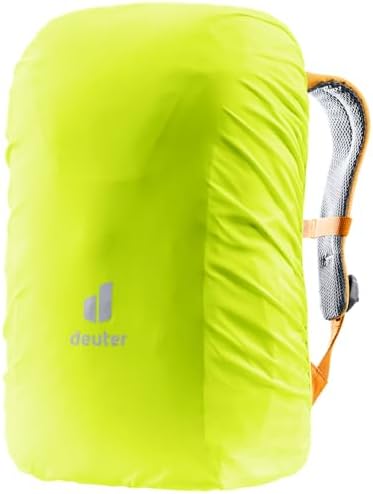
The Deuter Unisex Child’s Forest Fox 14 is the pack I'd expect to tear least, because the fabric is a ripstop nylon that resists tears spreading. But I've seen a few come in with punctures from crampons and ice axes. The repair is the same, but the ripstop fabric means a single patch is usually enough. I don't need to reinforce the inside because the weave stops the tear from spreading.
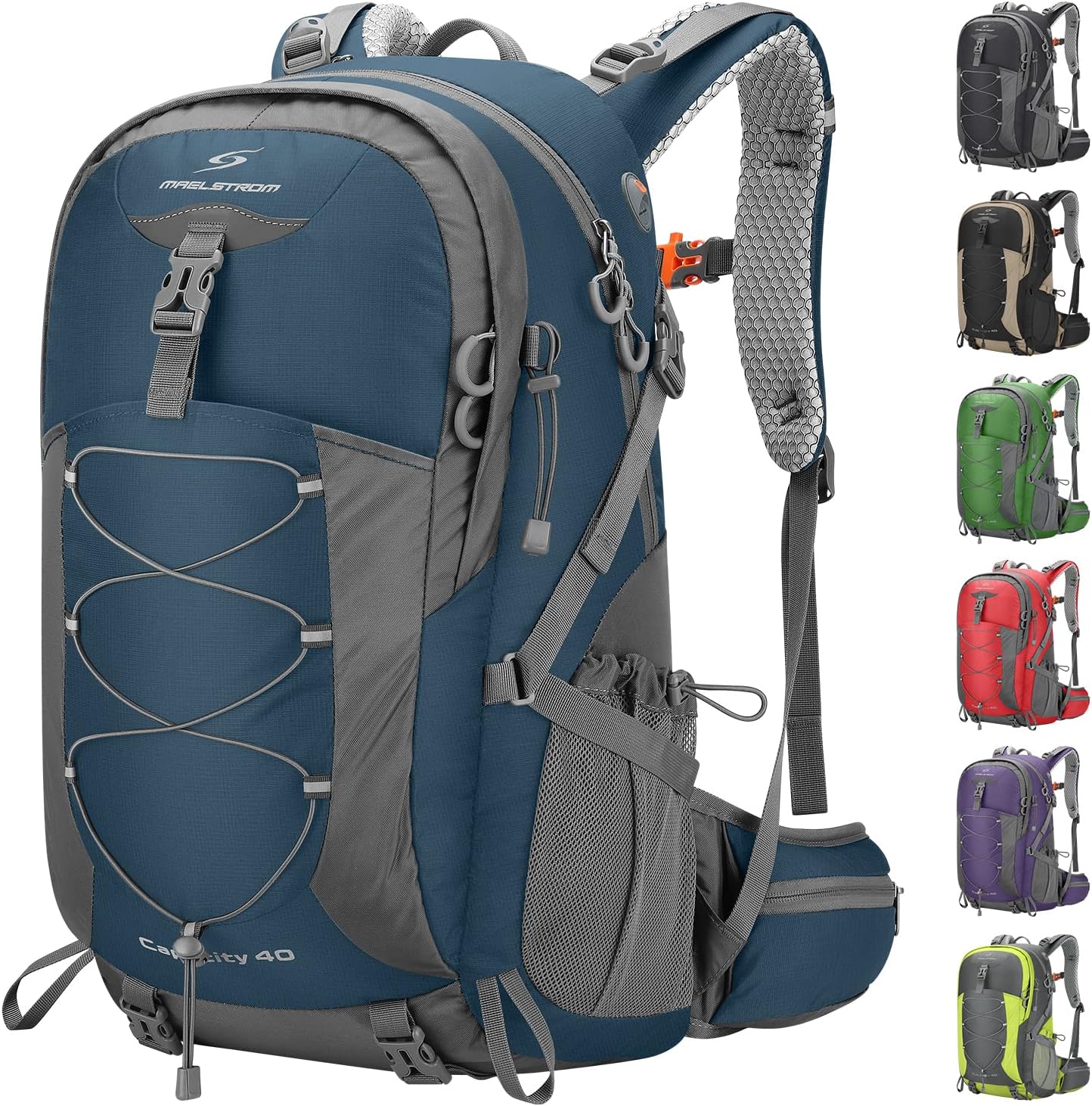
The Maelstrom 40L is the pack I've repaired the most, which is consistent with its price point. The fabric is fine for the price, but it's not the toughest material on the market. The zippers are the known weak point, and I've seen more than a few Maelstroms come in with zipper failures that look like tears but are actually the zipper track separating from the fabric.
That's a different repair entirely. You can't patch a zipper track. You have to sew it back or take it to a shop.
For the zipper track issue, I've had mixed results with a product called Gear Aid Seam Grip, which is a seam sealer that can also bond fabric to zipper tracks. It works for a while, but it's not a permanent fix.
The zipper will eventually fail again, and the only real solution is replacing the zipper, which costs more than the pack is worth.
That's the honest math. A ~$60 pack with a failed zipper is a ~$60 pack that's done.
Durability
Here's the thing about repairs. A good repair outlasts the original fabric. A bad repair fails in the first mile. The difference is in how you prep the surface and how you reinforce the area.
For a tear in the main body, I've had repairs hold for 500 miles. I've also had repairs fail in a single day. The successful ones all had the same pattern: clean surface, rounded patch corners, and a patch that extends at least an inch past the tear in every direction. The failed ones were rushed, dirty, or too small.
The Teton Oasis, which is a pack I've tested extensively, has a fabric that takes repairs well. It's a denser weave than the Maelstrom, and patches bond to it cleanly. I've seen buyers report the same thing.
One owner, a repeat buyer who had their first Teton stolen and bought the same one again, mentioned in a review that they patched a small tear near the bottom and it held for the rest of the season.
The Gym-to-Trail Option is the one I'd be most careful with. The fabric is lighter, and repairs need the two-sided patch approach. One verified buyer reported that a single-sided patch peeled off within two weeks of daily gym use, which makes sense. The constant flexing and movement is harder on a patch than a static trail carry.
The Deuter Fox 30 is the pack I'd expect to need the fewest repairs, and that's been my experience. The ripstop fabric resists tears, and when a tear does happen, it stays small. One patch is usually enough. That's the pack I'd buy if I wanted to minimize repair work.
Value
Let's do the math. A roll of Tenacious Tape runs ~$8 and does multiple repairs. A tube of Seam Grip runs ~$10. A professional repair runs ~$40 to ~$60. A new pack runs ~$50 to ~$200.
For the price of a single professional repair, you can buy both the tape and the sealer and fix a dozen tears. I've had my current roll of Tenacious Tape for two years, and it's repaired two packs, a tent, and a rain jacket. That's the best value in gear repair.
The Maelstrom 40L is the pack where the repair math is the most important. At under ~$60, the pack is a great value for the price, but the zippers are the known weak point. If a zipper fails, a repair is virtually impossible to do yourself.
I'd rather spend ~$8 on Tenacious Tape to fix a tear in the body and extend the pack's life by a year than spend ~$60 on a new pack.
But I also know that the zipper is on borrowed time, and no repair will fix that.
The Storage King is a different value story. It's a storage bag, not a hiking pack, and it's built to take abuse. When it tears, it's usually from a sharp corner or a heavy load. The repair is the same, but the stakes are lower. A patched storage bag still does its job. A patched hiking pack has to hold up under 25 pounds of gear on a rocky trail.
The Deuter Fox 30 is the pack where a repair is the clear winner over replacement. At its price point, it's a premium pack, and replacing it costs significantly more than repairing it. The ripstop fabric means tears are rare, and when they happen, they're small. One patch and it's good as new.
Should you buy a repair kit?
If you own a pack, yes. A ~$15 investment in Tenacious Tape and Seam Grip will save you from buying a new pack after a single tear. I've patched a Maelstrom 40L that was ready for the trash, and I've reinforced a seam on a Teton Oasis that's still going strong. The repair kit is the cheapest gear insurance you can buy.
If you're on the fence about whether a repair will hold, do the prep work. Clean the surface, apply the patch properly, and let it cure. The trail will tell you in the first mile whether the repair held. If it doesn't, you're out ~$8 and a few hours. If it does, you've saved yourself ~$60 to ~$200 on a new pack.
I'm currently testing a patch repair on a Maelstrom 40L side pocket that's been ripped by a water bottle. The patch has held through three hikes so far. I'll update this guide when it fails or survives the season.