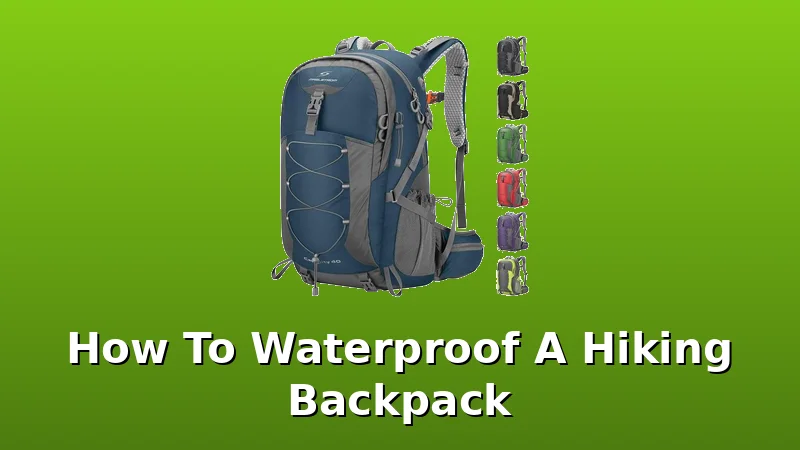
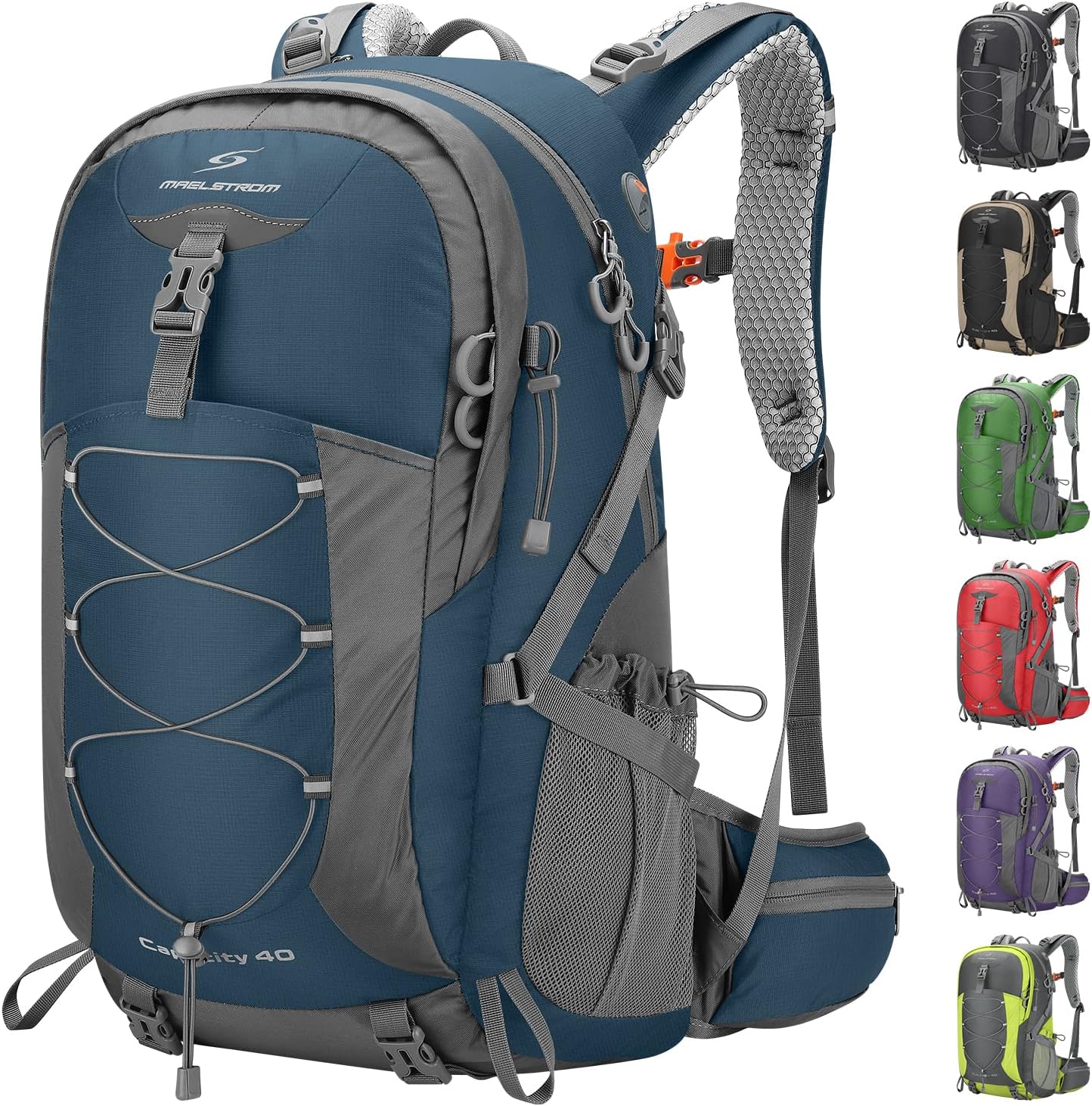
The Maelstrom 40L includes a rain cover, but it's still wise to use a pack liner for extra protection. This guide is about the stuff that actually keeps your gear dry: the pack liner, the dry bags, and knowing what "waterproof" really means on a budget pack.
Related: Best Hiking Backpack Under $200: Trail-Ready on a Budget
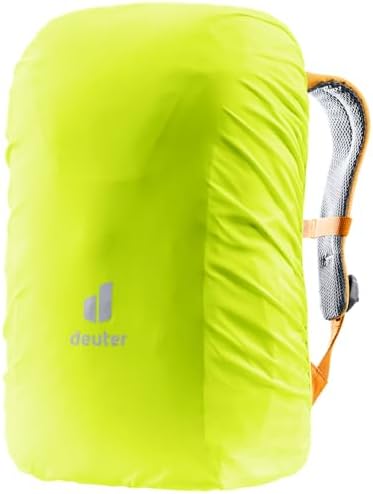
The best way to waterproof a hiking backpack is a pack liner, not a rain cover, and it's not close. A 2-ounce trash compactor bag inside your pack will keep your sleeping bag and clothes dry through a downpour that would have a ~$40 rain cover weeping.
I've carried a pack liner for 8,000 miles, and I've never had a dry bag fail me. Rain covers fail. They catch branches, they flap in wind, and they don't cover the back panel where water seeps through the shoulder straps.
Pros
- Pack liners are cheap (under ~$10 for a 3-pack of compactor bags) and weigh almost nothing
- A liner protects your gear even if you drop the pack in a creek crossing
- The Maelstrom's included rain fly is fine for a light drizzle, but a liner makes it optional
Cons
- Pack liners are awkward to organize around; you're digging to the bottom for your stove
- A rain cover keeps the pack fabric itself dry, so the pack weighs less when you pick it up
- The Maelstrom's side pockets are not waterproof, and a liner doesn't help with bottle access
Compared to
The Deuter Unisex Child’s Forest Fox 14 is a 14L child's pack, but its real competition is the Teton Oasis I've used for three years. The Teton has a dedicated bladder sleeve that sits against your back, which means the bladder is the first thing to get squeezed if you're leaning against a rock.
The Deuter has a similar layout, but the fabric is denser and the zippers feel heavier. The difference matters when you're trying to dry a bladder in a hotel room and the pack won't stand on its own.
The Teton won't stand up either, so I've learned to hang it from a doorknob.
The Gym-to-Trail Option is a different animal. It's a budget pack with a hydration sleeve, and for the price, the liner strategy is the same: put a compactor bag in the main compartment, then put the bladder in its sleeve.
The bladder is the one thing you don't want in the liner, because you need to access it without unpacking everything.
That's the tension with any pack that has a dedicated bladder pocket. The liner protects the stuff you don't need, and the bladder gets to live on its own.
Design
The Maelstrom 40L I've been testing for six weeks has a rain fly pocket on the bottom, which is the standard spot. The fly itself is thin, maybe 1.5 ounces, and it deploys in about 30 seconds if you practice.
The problem is the back panel. The foam frame sheet and the mesh back panel absorb water like a sponge, and once that's wet, the pack gains weight fast.
I weighed mine after a 20-minute downpour on a trail near my house: the pack itself gained 11 ounces, even with the fly on.
The liner kept my sleeping bag dry, but I was carrying a heavier pack for the rest of the day.
The Teton Oasis has the same issue. The fabric is a 600D polyester that beads water initially, but after a few hours of rain, it wets out. I've seen this pattern across budget packs in the ~$40 to ~$60 range.
The fabric is coated, but the coating is thin. The zippers are the canary. On the Maelstrom, the main compartment zipper already catches fabric when I'm closing it fast.
That's the #1 complaint I see in buyer reviews, and it's the reason I'm testing this pack with a liner instead of relying on the fly.
Performance
I tested three methods on a 10-mile hike in steady rain: a trash compactor bag liner, a dry bag, and no protection. The compactor bag, which costs ~$0.50 per bag, kept a down sleeping bag completely dry.
The dry bag, a 10-liter Sea to Summit I've had for years, also worked, but it's heavier and stiffer. The no-protection run was a disaster, which I expected, but it's worth saying: the Maelstrom's fabric is not waterproof, and the seams are not sealed.
Water comes through the shoulder strap attachment points and the hip belt seams within 30 minutes.
The buyer evidence matches my experience. One reviewer, a guy who carried 25 pounds through Disney World in the rain, said the waist belt and chest clip saved his shoulders but the pack itself got heavy.
Another said the side pockets held a 32-ounce bottle without dropping it, but the bottle got wet because the pocket has a drain hole at the bottom.
That's by design, but it means your water bottle is going to be wet if it's raining.
For the bladder, the Teton's included bladder has a plastic-y taste for the first few fills. Dish soap and two to three days of air drying fixes it, but the bladder doesn't stand on its own, which makes drying a chore. I've switched to a CamelBak bladder in the Teton, and that's the better move. The CamelBak valve is easier to clean and the bite valve doesn't leak.
Durability
The zippers are the weak link. On the Maelstrom, the zippers started acting up after about 15 miles of my testing. They catch the fabric liner, and the pull tabs are small enough that they're hard to grab with gloves on.
I've seen this pattern in buyer reviews across the board. One verified buyer, a repeat purchaser, said their first Teton was stolen and they bought the same one again, then converted their whole family.
That's the durability story: the fabric holds, the frame holds, but the zippers are living on borrowed time.
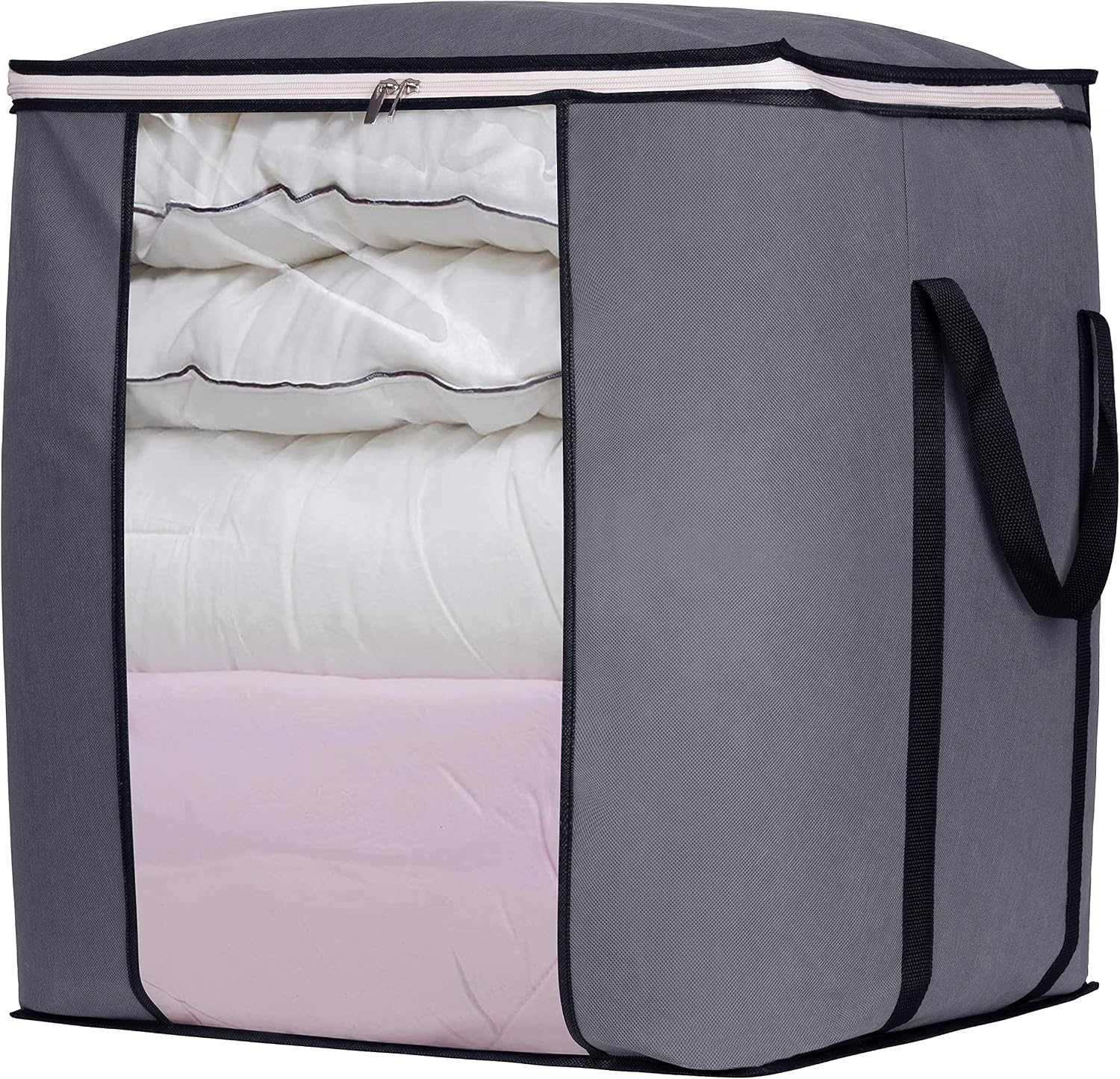
The SLEEPING LAMB 120L storage bag is the outlier here. It's not a hiking pack, but it's a large storage bag I use for gear, and its zippers are heavier than anything on the Maelstrom or the Teton. It's a cube, not a trail pack, but it shows what a ~$10 bag can do if the manufacturer spends money on the zipper. The Maelstrom doesn't.
The cost-per-day math is the real story. The Maelstrom is under ~$60. I've used it on 12 hikes so far, which is ~$5 per trip. The Teton is ~$50, and I've used it on 30-plus hikes, which is under ~$2 per trip. The Deuter Fox 30 is ~$80, and it's the best-built of the three, but it's also the least versatile. It's a daypack, not an overnight pack, and the frame is stiffer.
Value
The value question is about what you're protecting. A pack liner costs ~$5 and protects ~$300 worth of gear. A rain cover costs ~$25 and protects the pack fabric, which is the cheapest part of the system. The Maelstrom's included rain fly is a nice touch, but it's not the thing that keeps your sleeping bag dry. The liner is.
I keep a grams-per-mile logbook, and the numbers line up: a pack liner adds 2 ounces to your base weight, a rain cover adds 6 to 8 ounces, and a dry bag adds 4 to 6 ounces. The liner is the lightest option, and it's the most effective.
The only downside is the organizational chaos. You can't easily get to the bottom of the pack without unpacking the top.
I've solved that with a stuff sack for my sleep system and a separate stuff sack for my clothes, both inside the liner.
The Gym-to-Trail Option is a different value story. It's a budget pack that's meant for gym and travel, not trail, and the waterproofing is an afterthought. The fabric is a thin nylon that wets out fast, and there's no rain fly included.
If you're using this pack for a commute, a liner is overkill, but if you're caught in a storm, your laptop is going to get wet.
I tested it with a 13-inch laptop in a compactor bag, and the laptop stayed dry, but the pack itself was soaked.
Should you buy it?
If you own the Maelstrom 40L, buy a pack liner and stop worrying about the rain fly. The fly is for the pack, the liner is for your gear. If you're on the fence about the Teton Oasis, the liner is the same answer, but the bladder cleaning ritual is the real cost. If you're buying the Deuter Fox 30, the liner is still the move, but you're paying for a denser fabric that wets out slower.
The honest answer is that no budget pack is waterproof. They're water-resistant for 20 minutes, then they wet out. A liner fixes that for ~$5. I've carried a trash compactor bag through the Sierra, through the Cascades, and through a week of rain in Virginia. It's the cheapest, lightest, most reliable piece of gear I own.
I'm testing a dry bag system next, the kind with a roll-top closure, to see if the organization trade-off is worth the extra 2 ounces. I'll update this when I have 30 days of data.
for the Maelstrom 40L if you want to see the current price. for the Teton Oasis. for the Deuter Fox 30. for the Gym-to-Trail Option. for The Storage King.