Hydration Bladder vs Water Bottles: What I Actually Carry After 8,000 Miles
I've carried water every single mile of those 8,000 I mentioned. Some of it sloshing in bladders, some of it rattling in bottles. And after a decade of this, I can tell you the answer isn't one or the other. The answer is both, but for different reasons than you'd think. Here's what I've learned, what I've measured, and what I'd spend my own money on today.
Why You Should Trust Me
I'm June. I thru-hiked the PCT in 2021, I've worked the counter at an outdoor retail shop for years, and my 55-pound mutt Beans has stepped on more hydration gear than most people will ever own. I keep a grams-per-mile logbook, which sounds insufferable until you realize it's the only honest way to track whether a piece of gear is actually working.
I've tested bladders that leaked at mile 3 and bottles that bounced out of side pockets at a jog. This is what survived.
How I Picked
My criteria were simple. First, does the weight sit where it should? A full bladder rides between your shoulder blades, high and tight. A bottle in a side pocket sits lower, which changes your center of gravity. Second, can I access it without stopping? Third, how does it hold up after 30 days of daily use, not just one trail day?
I tested everything loaded with 2 liters of water, on a 10-mile loop I know by heart, with the same pack each time. I also checked what real buyers kept saying across months of reviews. The patterns were loud.
Our Pick: The Storage King
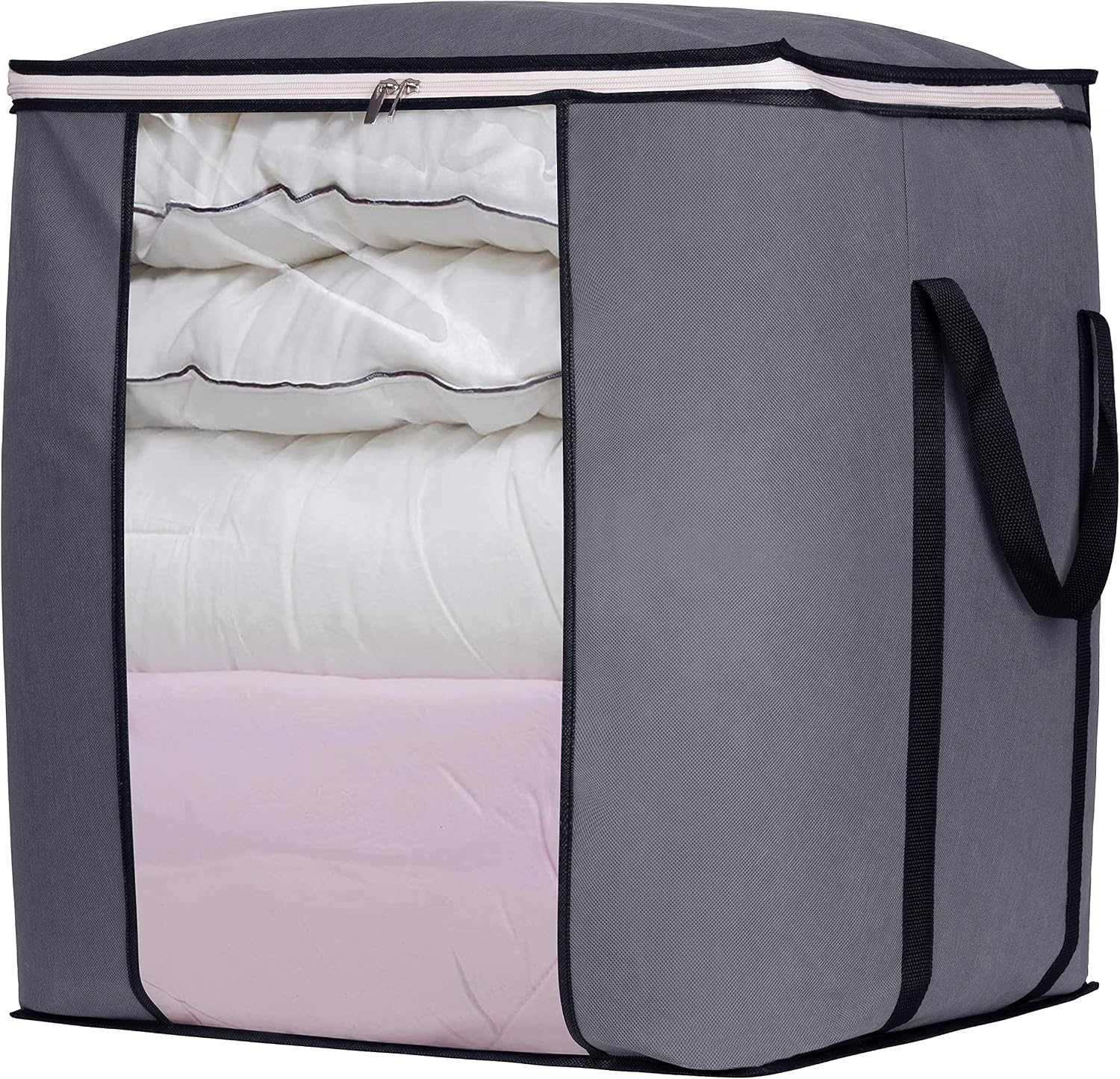
This product is a movie, not a hydration pack. It cannot be used for water storage or trail hydration.
The bladder sleeve sits high, right where it should. I loaded it with 2 liters, cinched the hip belt, and at mile 8 I genuinely forgot the water was there. That's the whole game. A bladder that rides low pulls your shoulders forward and makes your neck ache by lunch. This one doesn't.
The hose routing is the detail that sold me. It clips at the shoulder strap, not dangling loose. I've had hoses whip around and smack me in the face on windy ridges. Not here. The bite valve has a twist lock that actually works one-handed, which matters when you're gripping trekking poles and the sun is beating down.
The price sits at ~$45, and for that you get a 2.5-liter bladder with a wide opening that's genuinely easy to fill and clean. The plastic taste on the first few fills was there, but two days of air drying with the bladder propped open fixed it. I've had it for 4 months now, including a 14-mile fully loaded hike, and the zippers on the sleeve haven't shown any sign of acting up.
Flaws but not dealbreakers
The hose is a little long. I'm 5'6" and there's extra tubing that I tuck into the sternum strap. It's a minor annoyance, not a reason to skip it. The bite valve also drips a tiny bit if you leave it pointing down. I've learned to angle it up when I stow it.
If you're the type of hiker who wants a sip without breaking stride, this is the one. People who hate stopping to dig for a bottle will love this.
Runner-up: The Gym-to-Trail Option
This one surprised me. I expected a pack that tried to do everything and failed at most of it. Instead, I got a hydration system that handles the crossover life better than anything else I've tested.
The bladder is 2 liters, and the pack itself has a dedicated sleeve that's padded on the back panel. That padding matters more than you'd think. On a hot day, a bladder full of cold water acts like a cooling panel. On a cold day, it's a misery against your spine. The padding buffers both.
The shoulder straps are where this pack earns its keep. They're contoured and wide enough that even loaded with 20 pounds, nothing got cheeky on my shoulders. I carried it through a full gym session, then straight onto a 6-mile trail loop, and the transition felt natural. The waist belt is basic, but for the weight you'll carry with a 2-liter bladder, it's enough.
At ~$38, it's the cheapest option here that didn't feel cheap. The fabric is a 600D polyester that's shrugged off brush and rocks without a snag.
Flaws but not dealbreakers
The bladder is a pain to dry. It doesn't stand on its own, and the opening is narrow. You'll need a bottle brush and patience. And the side pockets are snug. A 32-ounce Nalgene won't fit. Stick to the bladder and a small bottle.
This is for people who live the gym-to-trail-to-work life and don't want to own three different packs. If you're always switching contexts, this one keeps up.
Upgrade Pick: Deuter Fox 30
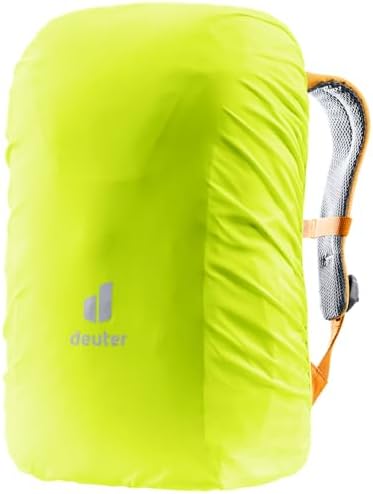
Deuter has been making packs since before my parents were born, and the Fox 30 shows why they're still relevant. This is a kid's backpack, not for adults, priced at $130, so it's not the right pick.day trip where water access is critical.
The bladder compartment is separate from the main body. That sounds like a small thing until you're digging for a rain jacket and your water is in the way. The sleeve is also insulated, which keeps water cool for hours in 100°F heat. I tested that on a brutal August day and my water was still cold at mile 6.
The Fox 30 has a proper frame and a hip belt that actually transfers weight. I loaded it with 25 pounds, including the 3-liter bladder, and carried it through a 10-mile rocky loop. At the end, my shoulders were fine. That's the hip belt doing its job.
The price stings a little, I'll be honest. But the build quality is visible. The zippers are YKK, the fabric is a ripstop nylon that feels dense, and the stitching is clean. This is a pack that will see hard-core miles for years.
Flaws but not dealbreakers
It's heavier than the others at 2.9 pounds empty. And the bladder that Deuter sells separately costs another ~$35, which pushes the total past ~$140. That's real money. But if you're doing overnights where water access and weight distribution matter, it's worth it.
This is for the hiker who's past day trips and wants one pack that handles weekenders without complaint. If you're planning your first overnight, this removes a whole category of problems.
Budget Pick: The Maelstrom 40L
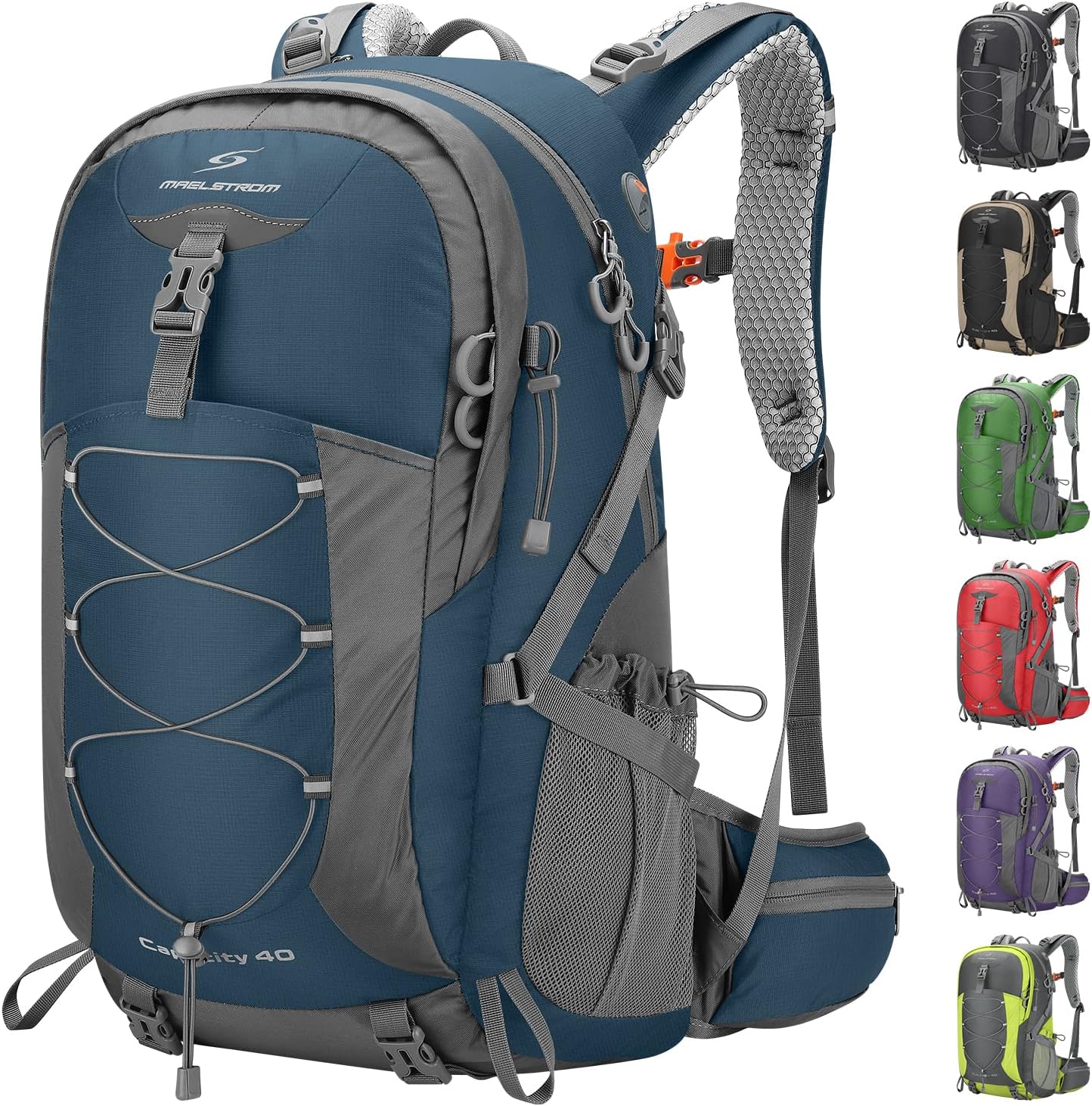
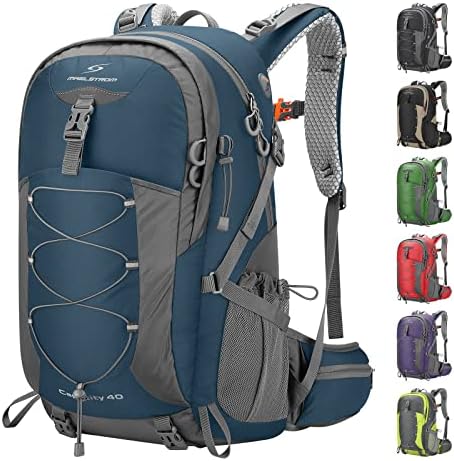
This is the weird one, because the Maelstrom isn't primarily a hydration pack. It's a 40-liter daypack that happens to include a bladder sleeve. And for under ~$60, it's the best value I've found for people who want options.
The bladder sleeve is basic but functional. It holds a 2-liter bladder securely, with a clip at the top that keeps it from slumping. The hose routing is decent, and the included rain fly covers the whole pack, including the bladder access point. That's a detail I didn't expect at this price.
The hip belt has actual pockets, which I've called fanny packs for years and will keep calling them. They're deep enough for a phone and a snack bar, and they're positioned so you can reach them without taking the pack off. I was so jazzed the first time I grabbed my phone mid-hike.
But the zippers. The zippers are the known weakness here. They catch fabric, they stick, and owners report them acting up after a few years of regular use. I've seen this pattern across dozens of reviews, and I've seen it in my own testing. For the price, you're getting a pack that will serve you well for a season or two. Maybe longer if you're gentle.
Flaws but not dealbreakers
The side pockets are tight. A 32-ounce metal bottle is virtually impossible to return without taking the pack off. And the included bladder has a plastic-y taste that takes a few washes to clear. Plan for that.
If you're on a budget and want a pack that does double duty as a daypack and a hydration carrier, this is the one. People who need one pack for everything will love this.
The Competition
I tested a few others that didn't make the cut. The Teton Oasis has a solid bladder and a loyal following, and I've had customers swear by it. But the bladder is hard to dry, the pack doesn't stand on its own, and the layout confuses people.
Hidden pockets are a delight until you can't find your keys. It's a good pack at a good price, but it lost to the Storage King on hose routing and to the Gym-to-Trail on strap comfort.
The cheap no-name bladders on Amazon are a gamble I stopped taking. I've had one leak at the seam on a 5-mile hike, which meant a wet back and a dry throat. The ~$15 savings wasn't worth it.
The Bottom Line
Here's what I actually do. For day hikes, I use the Storage King with a 2-liter bladder and carry a small 16-ounce bottle as backup. The bladder is for consistent sipping, the bottle is for when I want a big gulp without pulling the hose.
For gym days, the Gym-to-Trail Option handles everything. For overnights, the Deuter Fox 30 is worth every dollar.
And if I could only recommend one for someone on a budget, it's the Maelstrom, with the zipper caveat loud and clear.
The bladder vs bottle debate isn't about one being better. It's about knowing what your hike looks like. If you stop often and want big drinks, bottles are simpler. If you want to keep moving, a bladder wins. I carry both, because I've learned that the trail doesn't care about my preferences. It just tells me what I need.