Related: How to Measure Torso Length Before You Buy a Pack
I measure packs in miles, not features. Five years and roughly 8,000 miles of carrying one has taught me that a hiking hydration backpack lives or dies at two contact points: your hips and your shoulders. Every pocket, strap, and loop on top of that is just organization.
So when someone asks me which pack to buy, I ask two questions first. How long is the walk, and how much water do you actually drink on it? The answers split this category cleanly. A bladder-first hydration pack is for moving fast with a light load. A framed daypack with a real hip belt is for carrying weight over distance. Confusing those two jobs is how people end up miserable at mile 8.
The four packs here cover that whole range. The Osprey Hikelite 26L is the daypack I would hand to most people. The Teton Oasis/Trailrunner Hydration Backpack is for runners and fast hikers who want water on their back and little else. The Unigear is the budget entry point. The Loowoko 50L is for when the walk turns into a night out.
One note before we start. I fit packs part time at an outdoor shop, and I measure torsos before I talk about anything else. Torso length is the spec everyone ignores and the one that matters most. Get measured first, then read the rest.
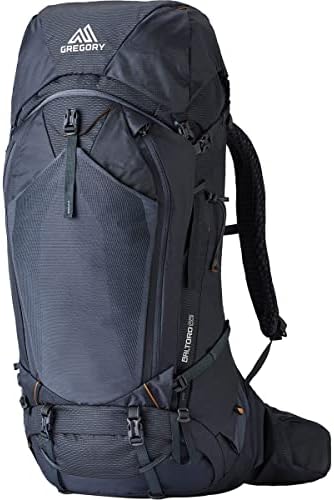
Best Overall: Osprey Hikelite 26L
 Visit on Amazon → | Visit on Amazon →
If you want one pack for day hikes and you never want to think about it again, start here. Osprey is the best all-round brand in this category, and for most people it is not close. The suspension genuinely transfers load instead of just claiming to, and the warranty is legendary in a way most outdoor brands only pretend to be.
The Hikelite 26L is the light daypack in that line: unisex, 26 liters, black. That is the size I recommend to the weekend hiker doing three to ten miles with water, layers, lunch, a first aid kit, and a headlamp. Big enough to hold a real day, small enough that you will not fill it with things you do not need.
What I would check first is the hip belt. It should land on your iliac crest, the top of your hip bones, and stay there. If it rides up onto your waist while you walk, the pack is the wrong size for your torso, not the wrong brand. A belt that rides up is my single biggest pet peeve in daypacks, and it is a fit problem nine times out of ten.
The limit is arithmetic: 26 liters is a day, not a night. If your day hike involves camera gear, climbing kit, or snacks for three teenagers, you are past what this class of pack carries comfortably. That is not a flaw in the Hikelite.
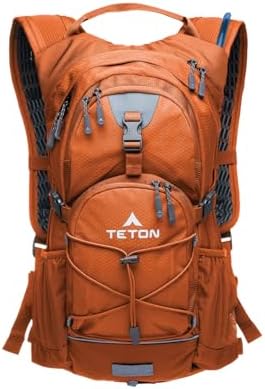
Best for Hydration First: Teton Oasis/Trailrunner Hydration Backpack
 Visit on Amazon → | Visit on Amazon →
This is the pack for the person who wants water on their back and nothing else in the way. It comes in 18L and 22L sizes with a 2L or 3L bladder depending on which you pick, and it is built for hiking, running, cycling, and biking. It fits men and women, which matters more than the marketing suggests, because a pack that sits wrong on a narrower or wider shoulder set will rub no matter how good the bladder is.
The feature I care about most here is the sewn-in rain cover. I have a standing complaint about covers that fit the pack but not the load. A cover that is sewn in and sized to the pack cannot be left in the car, cannot blow off in a Columbia Gorge gust, and cannot be the thing you forgot on the one day it mattered.
A hydration-first pack trades load capacity for stability. There is no heavy frame here and no thick hip belt doing 80% of the work, so keep the load light on purpose. Water, a shell, a bar, a phone, keys. Carry much more than that and you want the Hikelite or the Loowoko instead. This pack is not worse, it is just built for a different job.
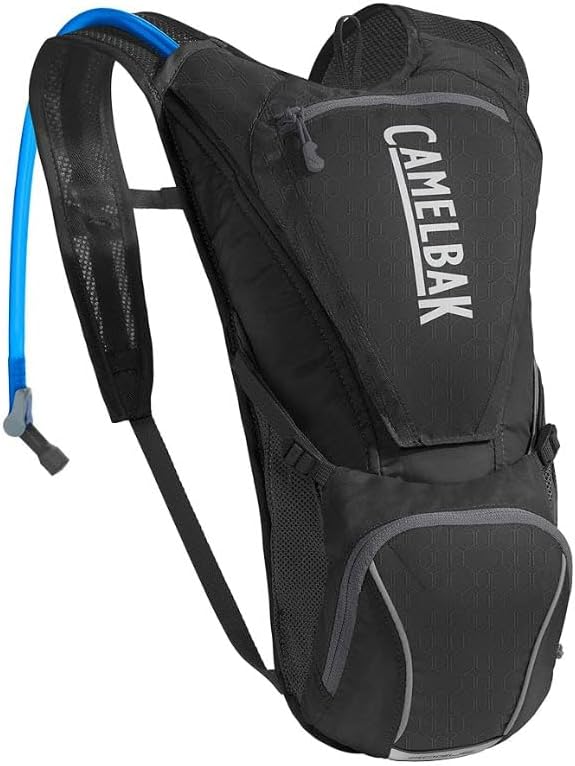
Best Budget: Unigear Hydration Pack with 2L Bladder
 Visit on Amazon → | Visit on Amazon →
This is the entry point. It is a hydration pack with a 2L bladder included, aimed at hiking and cycling, and it is what I point people to when they are not sure yet whether they are a hydration pack person. Spend the least, find out whether you actually drink from a hose while you walk, then upgrade with real information instead of guesswork.
What you get at this price is the essentials: a bladder, a hose, room for a shell and snacks, and straps that hold the pack against your back. What you give up is refinement. Cheaper packs in this class tend to have softer framesheets, thinner belts, and pockets that are hard to reach while walking. A pocket you cannot reach without stopping is worse than no pocket, because you will stop using it.
For a few miles on the local trail twice a week, this does the job. If you are heading into real weather or real distance, put the money toward the Osprey instead.
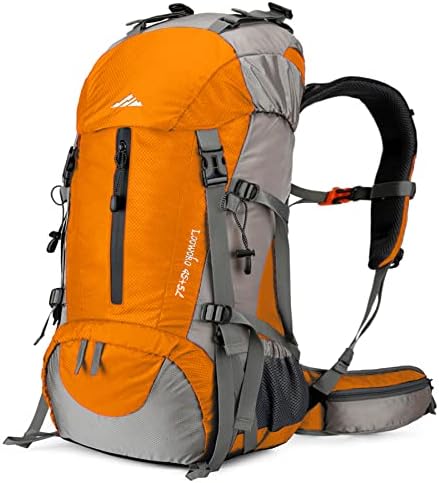
Best for Big Loads: Loowoko 50L Hiking Backpack
 Visit on Amazon → | Visit on Amazon →
Fifty liters with a rain cover included, sized for both men and women. This is the pack for the hike that turns into a night out, or for the day hike where you are the one carrying the group's water and stove. It is also the cheapest way into a multi-day setup, and the rain cover being in the box is one less thing to buy.
Here is the honest warning, and it is the one I give at the counter every week: at 50 liters, fit is not optional, it is the entire purchase. A pack this size invites you to carry more than you need, and every extra pound lands on your shoulders if the hip belt does not sit right. The hip belt does 80% of the work. If it does not fit, the pack fails, no matter how good the price was.
So measure your torso before you order. Then load it at home, walk a few miles, and pay attention to where the weight sits. Hips, not shoulders. If you feel it in your shoulders after an hour, the torso length or the belt position is wrong, and no amount of adjustment to the shoulder straps will fix it.
How I evaluate a pack
Every pack I form an opinion about goes through the same process, and it starts before the trail.
First, torso length. C7 to the top of the iliac crest. I measure it before I talk about features, because a pack that is one size off will feel fine in the shop and miserable at mile 8. This is the step people skip, and it is the reason half the packs returned to my store were never actually defective.
Then a loaded 10-mile hike. Loaded means the weight I would really carry, not a bag of feathers. I check hip belt transfer at mile 8, not mile 1, because that is when a bad belt shows itself. If the weight has crept up onto my shoulders by then, the pack failed, regardless of how many pockets it has.
Then a 30-day daily carry trial, and a grams-per-mile logbook. I weigh everything myself. Weight is not a number on the tag, it is how the pack feels at mile 8 with a full load.
The last question is the only one that really matters: would I carry it for a week on trail? For the Hikelite, in the right size, yes. For a bladder-first pack, that is the wrong question, because it was never built for a week.
The four packs side by side
| Pack | Stated capacity | Bladder | Rain cover | Best for |
|---|---|---|---|---|
| Visit on Amazon → Osprey Hikelite 26L |
26L | Not listed | Not listed | One pack for day hikes |
| Visit on Amazon → Teton Oasis/Trailrunner |
18L or 22L | 2L or 3L, by size | Sewn in | Running and fast hiking |
| Visit on Amazon → Unigear Hydration Pack |
Not listed | 2L included | Not listed | First pack, low spend |
| Visit on Amazon → Loowoko 50L |
50L | Not listed | Included | Overnights and group loads |
"Not listed" means the product name does not state it. Check the listing before you assume either way.
What actually matters when you buy
Fit beats features. A $400 pack that does not fit is worse than a $100 pack that does, and that is not a slogan, it is the whole buying decision. You can add a pocket. You cannot add a torso length.
Torso length is the spec everyone ignores. If your pack sits too high, the hip belt rides up onto your waist and the shoulders take the load. If it sits too low, the belt digs into your hips and you loosen it to survive, which defeats the point. Measure once, write the number down, and buy to that number for the rest of your life.
The hip belt does 80% of the work. Everything else is organization on top of that. On a 26L daypack the belt is mostly a stabilizer, which is fine. On a 50L pack, the belt is the suspension, and if it does not fit, nothing else you read in a spec sheet will save the hike.
Reach matters more than capacity. If you cannot grab a snack or a layer without taking the pack off, that pocket is decoration. Walk a lap around the block with the pack on and reach for things before you commit.
Rain covers are worth thinking about twice. The Loowoko includes one, the Teton's is sewn in, and that sewn-in design solves the two ways covers fail: left at home, and blown off the pack in wind.
On brands, since people always ask: Osprey is the best all-round choice and the one I trust for day after day use. Gregory's hip belts are the best in the business, and if you have hips, Gregory figured that out before most brands did. Deuter's Aircontact is the pick for genuinely heavy loads. Frameless ultralight packs are wonderful under about 15 pounds of base weight and punishing above it. And if you are a weekend hiker who wants most of the Osprey experience for less money, the REI Traverse line is the best value going.
None of that beats a pack that fits you. None of it.
Should you buy the Osprey Hikelite 26L?
Yes, if you want one daypack that handles day hikes without drama and you will get your torso measured first. It is the best all-round option here, the brand backs it, and 26 liters covers a real day. Skip it if your days run long and heavy, because the size is the limit, not the pack.
Should you buy the Teton Oasis/Trailrunner Hydration Backpack?
Yes, if you run, ride, or hike fast and want water on your back with a rain cover that cannot be lost. No, if you want one pack to do everything, because a bladder-first pack with no load-bearing hip belt is not a load hauler and never will be.
Should you buy the Unigear or the Loowoko?
The Unigear is a yes if you are testing whether you like drinking from a hose and you want the smallest possible spend to find out. The Loowoko is a yes if you need volume for an overnight or you carry the group's gear, and only if you have measured your torso first. That is the order I would buy them in, and it is the same order I would hand them across the counter.