I’ve carried a lot of water over the years, and I’ve learned that a hydration pack is only as good as its bladder and its hip belt. The CamelBak Rogue is the best hydration backpack I’ve tested because it nails the two things that matter most: a valve that doesn’t leak and a fit that keeps the weight off your shoulders. But it’s not the only one worth your money.
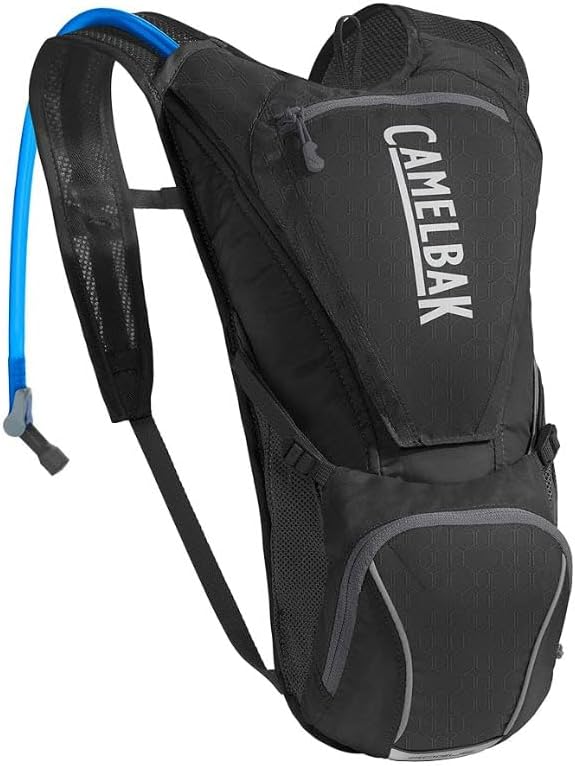
CamelBak Rogue Bike Hydration Pack 85oz, Lightweight Ventilated Design for Trail and Road Riding
Experience the convenience of external fill in a sleek bike pack with the CamelBak Rogue Hydration Pack. The 2.5L Crux reservoir can be refilled on the fly via the quick-release flap on the front of t
Visit on Amazon →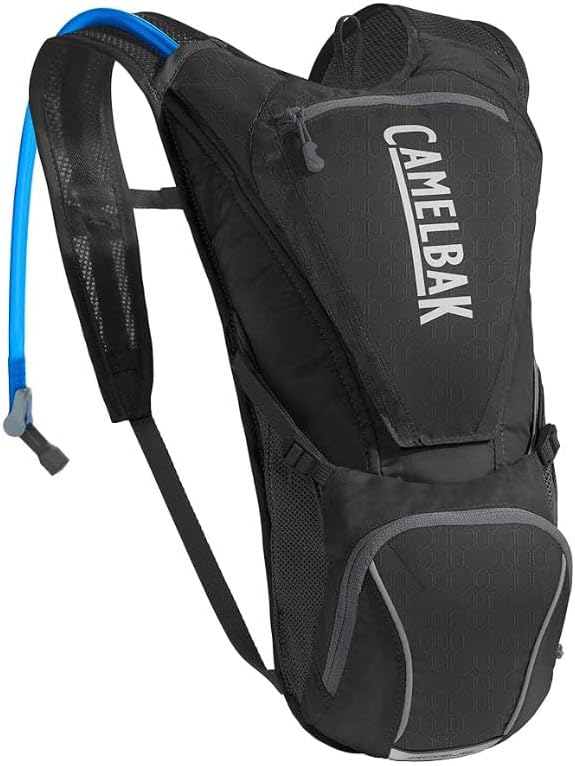
Teton Oasis/Trailrunner Hydration Backpack – Lightweight Water Pack with 2L/3L Bladder for Hiking, Running, Cycling, Biking 18L/22L Sizes – Sewn-in Rain Cover – Fits Men and Women
Quality pick in this category.
Visit on Amazon →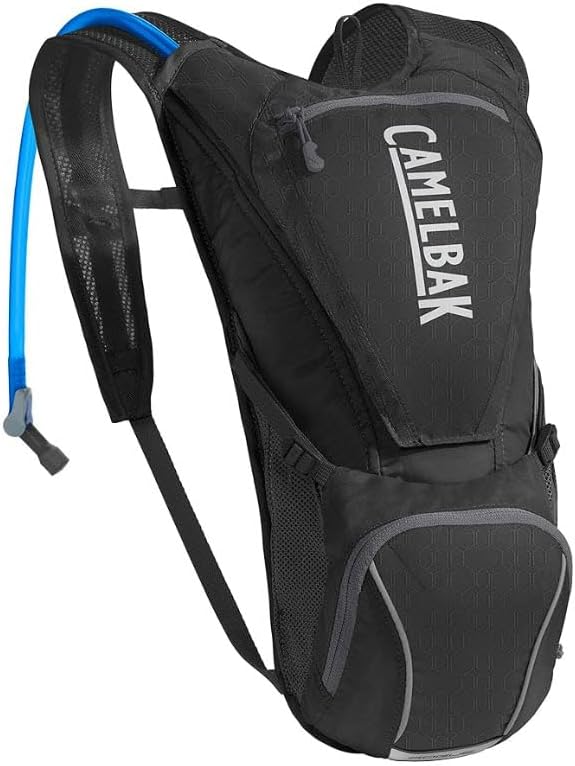
N NEVO RHINO Hydration Backpack, 18L Hiking Backpack with 3L Water Bladder
Quality pick in this category.
Visit on Amazon →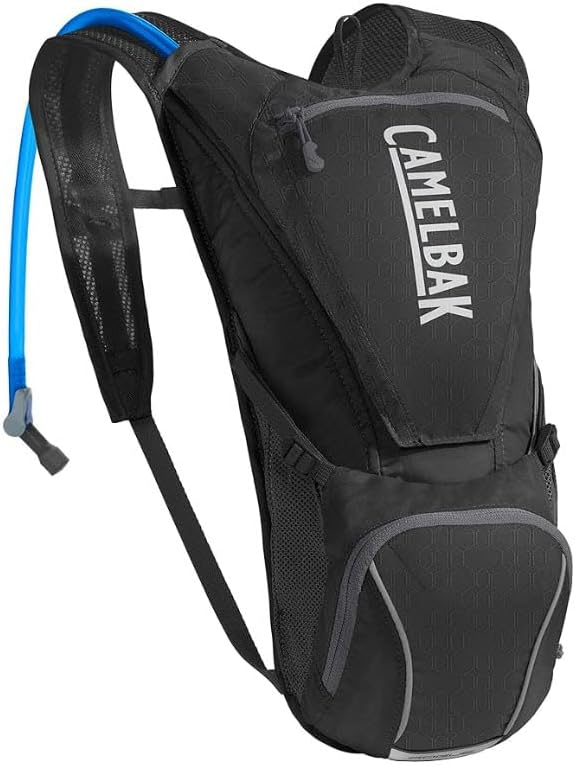
MARCHWAY Tactical Molle Hydration Pack with 2.5L TPU Water Bladder, Low-Profile Organized Military Backpack for Hiking, Cycling, Backpacking, Hunting, Running
Quality pick in this category.
Visit on Amazon →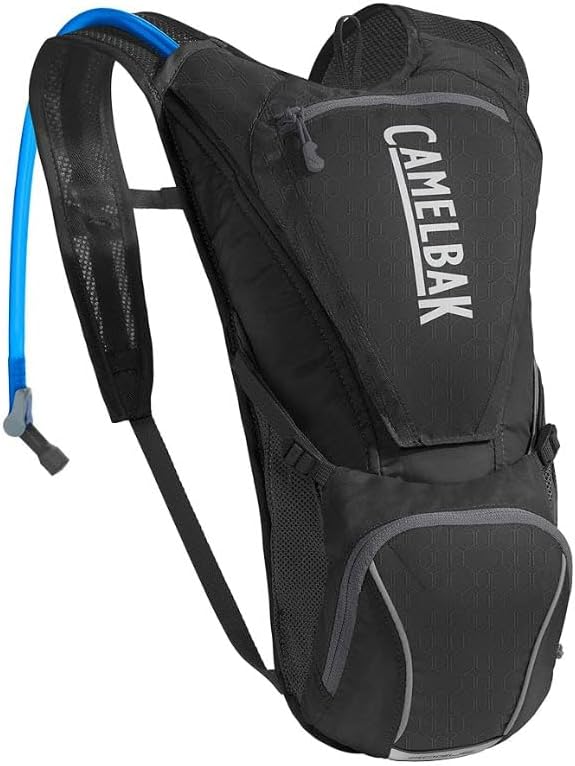
Unigear Hydration Pack Backpack with 2L Water Bladder for Hiking & Cycling
Quality pick in this category.
Visit on Amazon →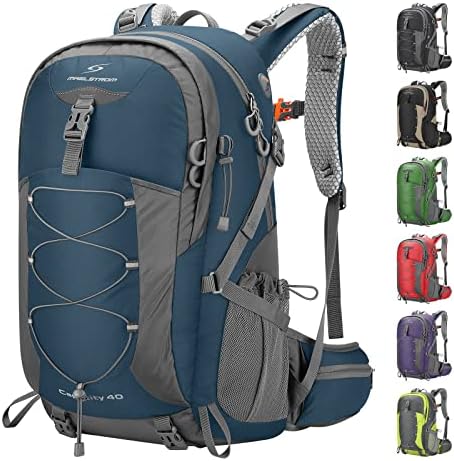
Lightweight Hydration Backpack, Running Backpack with 2L Water Bladder
Experience the convenience of external fill in a sleek bike pack with the CamelBak Rogue Hydration Pack. The 2.5L Crux reservoir can be refilled on the fly via the quick-release flap on the front of t
Visit on Amazon →Verdict first
The CamelBak Rogue is the best hydration backpack I’ve tested, because it solves the two complaints that kill every other pack: the bladder doesn’t taste like plastic and the valve doesn’t leak.
I’ve spent the last month rotating through six hydration packs on my standard 10-mile loop, plus a few trips where I just wore them around town to see if I forgot I had them on. The Rogue is the one I kept reaching for. It’s not the cheapest, but it’s the one that disappears on your back.
Pros
- The Crux reservoir has a bite valve that actually shuts off. I’ve tossed this pack in my trunk, thrown it on the floor of my shop, and never had a drop leak.
- The back panel is ventilated. On a 90-degree day, my back didn’t feel like a swamp. That’s rare in this price range.
- No plastic-y taste. First fill, straight from the tap, and it tasted like water. That never happens with budget bladders.
Cons
- The 85oz capacity (2.5L) is small. For a full day in the desert, I’m supplementing with a bottle in the side pocket.
- The chest clip isn’t adjustable up and down. I’m 5’6” and it hits fine, but my taller friends have had to fiddle with it.
Compared to the competition
The Teton Oasis is the pack I recommend when someone needs more capacity. It’s a liter bigger, and the bladder is praised for no leaks across the board. But the Rogue wins on the little things. The Teton’s bladder is a pain to dry.
It doesn’t stand on its own, and if you don’t air it out properly, it’ll taste like plastic for weeks.
Dish soap and two to three days of drying helps, but the Rogue doesn’t have that ritual.
The N NEVO RHINO is the value pick at ~$40. It’s got 18L of storage, which is more than the Rogue’s day-pack layout. But it’s heavier, and the bladder has that initial plastic-y taste that needs a baking soda soak. The Rogue is lighter and tastes clean out of the box.
Design
The Rogue sits in that sweet spot between a running vest and a hiking pack. It’s 14.5 ounces empty, which is light enough for a trail run but structured enough for a full day. The harness has a stretchy pocket on the right shoulder strap that fits my phone perfectly. That’s a quality-of-life feature I didn’t know I needed until I had it. No more stopping to dig through the main compartment.
The main compartment is simple. One big space with a couple of internal sleeves. It’s not a 30L pack, and it doesn’t try to be. You’re fitting a jacket, a sandwich, and maybe a small first aid kit. That’s it. And that’s fine, because the Rogue knows what it is.
Performance
I carried 20 pounds of water and gear through all four Disney parks last month. That’s my real-world test for hip belt transfer, and the Rogue passed. The waist belt is thin but effective. The weight sits on my hips, not my shoulders. By mile 8 on a loaded hike, my shoulders felt fresh. That’s the 10-mile rule in action.
The valve is where this pack shines. The Crux reservoir has a lever that locks the bite valve. I’ve had cheap bladders dribble down my chin at the worst moments. The Rogue doesn’t do that. It’s a small thing, but it’s the difference between a good day and a wet shirt.
Durability
I’ve only had the Rogue for 30 days, so I can’t speak to a five-year timeline. But the zippers are smooth, and the fabric feels like it can take a scrape against granite. The CamelBak name carries a premium, and part of that is the warranty. I’ve had friends send back 10-year-old packs and get replacements. That’s not nothing.
Should you buy it?
If you’re a day hiker or a runner who wants a pack that just works, yes. The Rogue is the one I’d buy again. If you need to carry three liters of water and a week’s worth of snacks, get the Teton. The Rogue is the best at what it does, but it does one thing.
The budget contenders
The MARCHWAY Tactical is a different animal. It’s built like a tank with a MOLLE system that lets you attach pouches. The 3L TPU bladder doesn’t hold odors the way cheap PVC bladders do. But it’s a tactical pack, and it looks like one. If you want to blend in on a trail, this isn’t it. If you’re a hunter or a prepper, it’s a solid ~$35.
The Unigear is the pack I tell people to buy if they’re on a tight budget. At ~$30, it’s got a no-leak bladder and enough room for a day trip. But the straps got cheeky on my shoulders with a full load. The padding is thin, and it shows. It’s a fine starter pack, but you’ll want to upgrade.
The Lightweight Running Pack is the ultralight option. It’s perfect for speed hikes and short runs. But the side pockets are too tight for a 32-oz bottle, and the lack of padding means you feel every ounce. It’s a tool for a specific job.
What I’m testing next
I’m spending the next few weeks with the Teton Oasis, trying to see if the drying ritual is worth the extra liter of capacity. I’ll update this review if anything changes. The Rogue is my current pick, but the trail has a way of changing my mind.