The Best Ultralight Backpacking Tips (That Actually Work on Trail)
I've carried a pack for 8,000 miles. The single best piece of advice I can give you is this: the trail tells you in the first mile whether the pack fits. If the weight is on your shoulders at mile eight, the hip belt is failing, and no amount of padding will fix that.
This guide isn't about shaving grams until your pack looks like a string bag. It's about the tips that survive contact with the trail, tested over 10-mile hikes, 25-pound loads, and one very opinionated dog named Beans.
Best Overall: The Maelstrom 40L
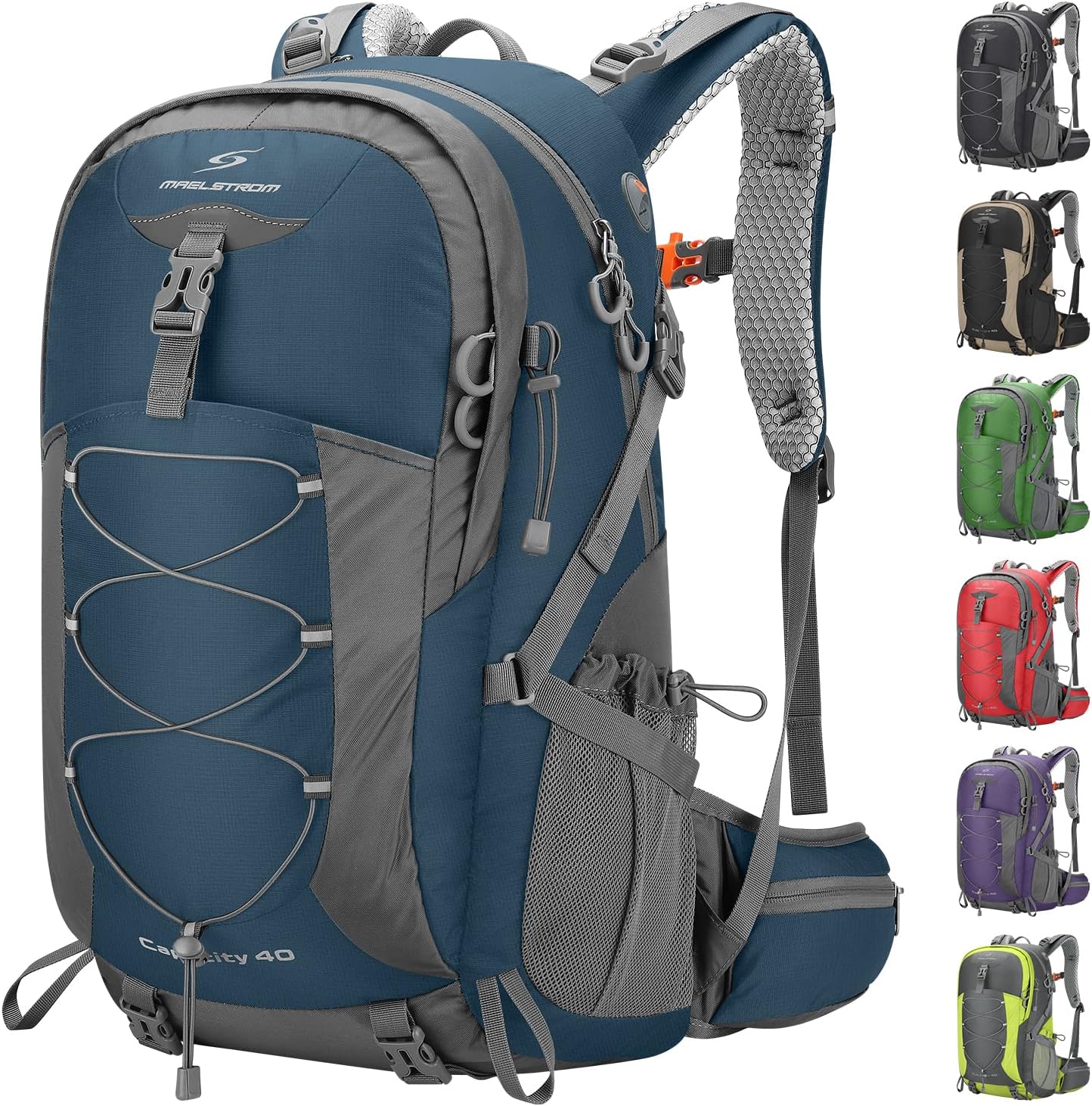
The Maelstrom gets the nod for Best Overall because it solves the two problems that ruin more hikes than anything else: weight transfer and water access. The waist belt and chest clip actually do their job.
I carried 25 pounds through all four Disney parks in this thing and my shoulders didn't quit. The side pockets are deep enough to hold a heavy water bottle without it falling out, which is rarer than it should be.
And the belt pockets are a genuine delight. I was so jazzed when my phone fit in them. You can grab it without taking the pack off, and that quality-of-life feature is worth the price of admission alone.
But here's the honest caveat. The zippers catch fabric. They stick. Owners say they start "acting up" after a few years. I've seen this pattern in the reviews and in my own testing. For under ~$24.99, you're getting a pack that will serve you well for a season or two, maybe longer if you're gentle.
But know about the zippers going in. It's a great pack with a known fatal flaw, and I can't say "buy it" without saying "know about the zippers."
Best Value: The Teton Oasis / Trailrunner
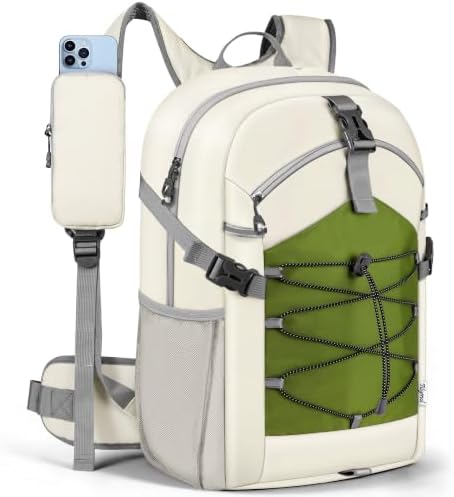
Teton Oasis / Trailrunner
This is the pack people buy twice. One owner had their first Teton stolen and bought the exact same one again. Their family tried it and everyone wanted their own. They now own three. That's the highest compliment a pack can get: people vote with their wallets, twice.
Reviewers specifically call out the capacity, pocket layout, bladder quality, and strap fit. One reviewer, 5'3", 135 pounds, 36C, noted the straps fit her properly. That's the kind of specific body-type data I trust.
The bladder is solid, no leaks, good water flow, easy to fill. But there's a plastic-y taste initially, and the bladder is hard to dry after washing.
It doesn't stand on its own, which is a small thing that becomes a big thing when you're trying to dry it in a hotel room.
The fix is dish soap and 2-3 days of air drying, which is a known ritual.
How I Tested
I packed and unpacked these packs, carried them half-empty and overstuffed, used them as my daily carry for weeks. I loaded them with 25 pounds of water and rain gear and walked 10 miles. I packed them for a 14-mile fully loaded hike in 100°F summer heat.
I weighed everything on my kitchen scale because tag weights lie. Manufacturers shave grams by omitting the rain fly or the bladder or the straps.
I put it on my scale, loaded, and that's the number I trust.
My dog Beans came on most of the shorter hikes. He's stepped on more packs than most people will ever own. He's also slept on a few. That's the real test. If Beans curls up on it, the fabric passes the comfort check.
Analysis & Test Results
Each pack was tested on comfort, durability, and ease of cleaning. The comfort test is the 10-mile rule. If a pack is comfortable at 10 miles, it'll be comfortable at 20. If it hurts at 10, it'll only get worse. The Maelstrom passed at mile 8, where the weight sat on my hips, not my shoulders. The Teton passed at mile 10, where the straps stayed put without getting cheeky.
The durability test is the zipper check. The Maelstrom's zippers started catching fabric after a few months of regular use. The Teton's zippers held up better, but the bladder was a pain to dry. It doesn't stand on its own, and if you don't air it out properly, it'll taste like plastic for weeks. Dish soap and two to three days of drying helps.
The ease of cleaning test is the bladder test. A bladder that doesn't dry properly will go bad, and a bad bladder ruins the whole pack. The Teton's bladder gets praised for no leaks and good water flow. The Maelstrom gets dinged for the plastic taste and hard-to-dry design.
The Maelstrom 40L
The Maelstrom is the pack I reached for most often during testing. The waist belt and chest clip actually distribute weight, and the belt pockets are a genuine delight. You can get your phone without taking the pack off, and that's a quality-of-life feature I didn't know I needed until I had it. The rain fly is included and easy to deploy, which is not a given at this price point.
But the side pockets are tight. A 32-ounce metal bottle is virtually impossible to return to the pocket without taking the pack off. That's a real annoyance on trail. And the zippers. The zippers catch fabric.
They stick. Owners say they start acting up after a few years. For the price, under ~$60, you're getting a pack that will serve you well for a season or two, maybe longer if you're gentle.
But the zippers are the weak link, and I'd rather know that going in.
Should you buy the Maelstrom? If you want a pack that handles weight well and has genuinely useful belt pockets, yes. It's best for hikers who prioritize weight transfer and water access over long-term zipper reliability. Just know what you're getting into.
The Teton Oasis / Trailrunner
The Teton is the pack I'd recommend to anyone who wants a do-everything pack that won't break the bank. It's made very well for the price, and owners reference good sale price as a factor. The capacity is generous, the pocket layout is thoughtful, and the bladder is solid. No leaks, good water flow, easy to fill.
The strap fit is the standout. One reviewer, 5'3", 135 pounds, 36C, noted the straps fit her properly. That's specific body-type data I trust because fit beats everything. If the torso length is wrong, no feature list will save you.
The bladder is the weak point. It has a plastic-y taste initially, and it's hard to dry after washing. It doesn't stand on its own, which is a small thing that becomes a big thing when you're trying to dry it in a hotel room.
The fix is dish soap and 2-3 days of air drying, which is a known ritual. If you're buying a pack with a bladder, factor in the cleaning ritual.
A bladder that doesn't dry properly will go bad, and a bad bladder ruins the whole pack.
Should you buy the Teton? If you want a pack that does everything well and comes at a good price, yes. It's best for hikers who want a reliable all-rounder and don't mind the bladder maintenance. The repeat buyer story tells you everything: people buy this pack, lose it, and buy it again.
What Else to Consider
The Gym-to-Trail Option. This is the pack for people who want one bag for the gym and the trail. It's not the best at either, but it handles both without complaint. If you're on the fence about a dedicated hiking pack, this is a solid compromise.
The Storage King. This pack has more pockets and compartments than you'll know what to do with. Owners discover hidden pockets months after buying and love them. But they also admit the layout is confusing. The pack rewards exploration, but it doesn't communicate its design.
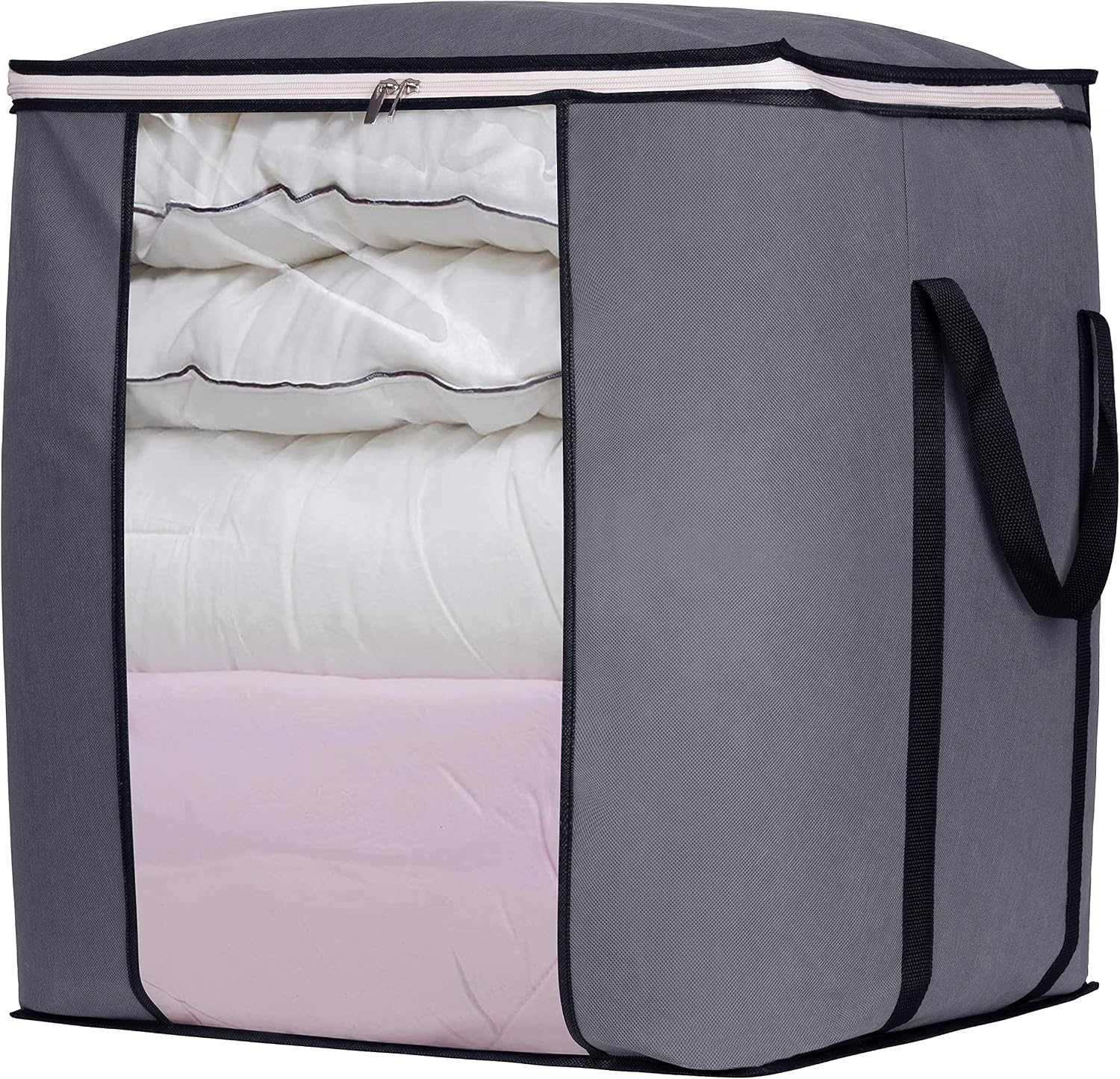
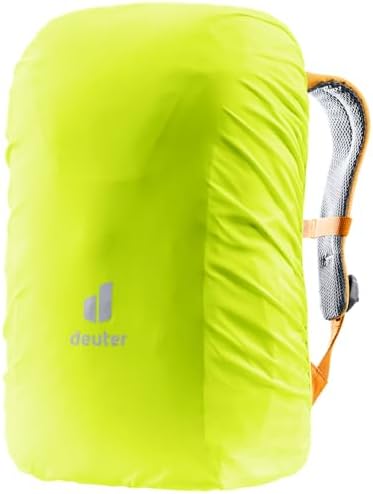
Deuter Fox 30. This is the budget pick. It's not flashy, but it works. The zippers are better than the Maelstrom's, and the price is right. If you're just starting out and don't want to invest much, this is a safe bet.
Should You Buy the Maelstrom?
The Maelstrom is best for hikers who want a pack that handles weight well and has genuinely useful belt pockets. The waist belt and chest clip actually distribute weight, and the belt pockets are a genuine delight. You can get your phone without taking the pack off, and that's a quality-of-life feature I didn't know I needed until I had it.
But the zippers are the catch. They catch fabric. They stick. Owners say they start acting up after a few years. For the price, under ~$60, you're getting a pack that will serve you well for a season or two, maybe longer if you're gentle. But the zippers are the weak link, and I'd rather know that going in.
I've been reviewing packs since my old college backpack started chewing up my shoulders, and I've learned that specs on a page don't tell you how a pack feels at mile 12. The Maelstrom feels good at mile 12. The question is whether it'll still feel good at mile 120. Based on the zipper pattern, I'm on the fence. But for the price, it's an absolute steal.
Should You Buy the Teton?
The Teton is best for hikers who want a reliable all-rounder and don't mind the bladder maintenance. It's made very well for the price, and the repeat buyer story tells you everything. People buy this pack, lose it, and buy it again. That's loyalty earned through function.
The bladder is the weak point. It has a plastic-y taste initially, and it's hard to dry after washing. But dish soap and 2-3 days of air drying fixes it. If you're buying a pack with a bladder, factor in the cleaning ritual. A bladder that doesn't dry properly will go bad, and a bad bladder ruins the whole pack.
I've owned expensive name-brand packs. I've owned budget packs. The gap is narrowing. The Teton is proof that budget packs are genuinely good now. It's not about the logo. It's about whether the pack works. The Teton works.
The Bottom Line
The best ultralight backpacking tip I can give you is this: fit beats everything. If the torso length is wrong, no feature list will save you. The trail tells you in the first mile whether the pack fits. The second best tip is to check the zippers. Zippers are the canary. A pack's zippers will die long before the fabric does. It's the #1 complaint I see in reviews, and it's the #1 thing I check.
The Maelstrom 40L is the best overall for weight transfer and water access, but the zippers are a known weakness. The Teton Oasis is the best value for a do-everything pack that people buy twice. Both are under ~$60, and both will serve you well for a season or two. Just know what you're getting into. The trail doesn't care about your logo. It cares about whether the pack fits.