Related: How to Measure Torso Length Before You Buy a Backpack
I carry a packable sack in the bottom of every big pack I own. It lives in the lid, weighs less than a full water bottle, and turns a town stop or a base camp evening into a real hike without dragging my whole kit along. That is the entire case for an ultralight packable hiking backpack, and it is also where most people go wrong: they buy the capacity that sounds impressive instead of the capacity that matches the load.
Four listings make up this guide. There is the BECOJADDE 15L Small Hiking Backpack in Beige and the same pack in Gray, then two listings of the MIYCOO Ultralight Packable Backpack at 35 liters. Two capacities, four buying decisions, and one question underneath all of them. What are you actually going to put in it?
Fit beats features. I have said that about 65-liter expedition haulers and I will say it about a twenty-dollar stuff sack with shoulder straps. On a pack this small, torso length matters less because nothing is transferring load to your hips. But strap spacing still decides whether the pack sits flat on your shoulder blades or saws at the side of your neck for six miles. That is a fit question, not a spec sheet question, and it is the first thing I check.
Best Overall for Minimal Day Loads: BECOJADDE 15L in Beige
Fifteen liters is a number most people underestimate and then overstuff. Done right, it is a shell, a liter and a half of water, snacks, a phone, a small camera, and a beanie. Done wrong, it is a daypack that bulges like a tick and pulls backward off your shoulders all afternoon.
What I like about the BECOJADDE 15L is the premise. It is foldable and packable, which means it collapses into something you can bury in a duffel or a carry-on and forget about until you need it. That is the job. It is not the pack you carry on a fourteen-mile ridge traverse with a full camera kit. It is the pack you pull out in town, on a travel day, on a short evening loop, or on a summit push from a base camp where your real pack stays behind.
The Beige colorway is the one I would grab for travel, and I will be honest about the trade. Light fabric in a light color shows trail dust, cedar duff, and every pine needle you brush past. It also stays cooler in direct sun and looks a lot less like technical gear when you are walking through an airport or a city. If you want a daypack that reads as a daypack and not as a piece of mountaineering equipment, Beige is the pick.
Check current Amazon price before you commit, because the two BECOJADDE listings sit close enough together that the difference matters more than the color.
The Same Pack in Gray: BECOJADDE 15L
This is the same 15-liter pack in Gray, and for most hikers it is the smarter of the two. Gray hides dirt. Gray hides the scuff you put in the fabric when you set the pack down on wet granite. Gray also blends into a crowd, which matters if you are the kind of person who sets a bag down in a hostel common room and would rather it not be the most visible object in the building.
The capacity argument does not change. Fifteen liters is a shoulder-carried load, which means there is no hip belt transfer happening and everything rides on your traps and collarbones. Under about ten pounds that is completely fine. Past that, the pack starts to feel like it is hanging off you instead of sitting on you, and no amount of strap tugging fixes it. That is not a knock on this specific pack. It is how every frameless pack in this class behaves, and it is the single most useful thing to understand before you buy one.
What I would watch for on any packable 15L is pocket placement. A pocket you cannot reach while walking is worse than no pocket at all, and on small packs the side pockets are frequently too shallow to hold a bottle securely or too far back to reach without shrugging the strap off your shoulder. Walk a lap around the block with the pack loaded before you take the tags off anything.
Best for Bigger Loads and Wet Weather: MIYCOO 35L Waterproof Packable Backpack
Thirty-five liters is a different animal. This is the size that stops being a stuff sack and starts being a pack you can build a day around, or a light summer overnight if your base weight is genuinely low.
In the Pacific Northwest, the waterproof construction is the headline. Rain here does not arrive politely. It shows up sideways, soaks your shell in ten minutes, and keeps going until you have forgotten what dry felt like. A pack that keeps the water off your insulation layer is worth more than a pack with three extra pockets. Check current Amazon price and compare it against what a rain cover would cost you separately.
Two cautions, because I would rather you hear them now than at mile eight. First, waterproof on a listing is a claim about fabric and coating, not a guarantee about zippers. Zippers are the weak point on almost every pack in this class, and a soaked zipper tape wicks water straight into the main compartment. Electronics go in a separate dry bag regardless of what the listing says. Second, a 35-liter frameless pack is at its best somewhere between twelve and twenty pounds. Load it heavier and the geometry works against you: the weight sits behind your shoulders instead of over your hips, and you will lean forward to compensate for the rest of the day.
Where this pack earns its place is versatility. It handles a wet-weather day hike, a grocery run on a travel day, a carry-on that needs to compress flat in a hotel room, or a light overnight in July. That is a lot of jobs for one pack.
The Second MIYCOO Listing: Same Pack, Second Entry
The second MIYCOO entry carries the identical listing name, the identical 35-liter capacity, and the identical waterproof description. Listings like this usually exist because the same product is sold under more than one entry, sometimes for a color variant that is not spelled out in the title, sometimes simply as a duplicate. I cannot tell you from the name alone which one you will receive, and I will not pretend otherwise.
What I can tell you is what to do about it. Open both listings, compare the images and the variant selector, and pick the one where the option you want is actually available. Then check the price on both, because duplicate listings drift apart over time and there is no reason to pay more for the same pack. Check current Amazon price on each before you buy.
If you cannot find a meaningful difference, buy the one that ships sooner. That is the honest answer. Two listings of the same 35-liter waterproof pack are not a hard decision, and anyone who tells you otherwise is selling you something.
How I evaluate packable daypacks
My protocol for any pack is the same. A loaded ten-mile hike, a hip belt transfer check, and a thirty-day daily carry trial. Packs in this class do not have a hip belt worth the name, so the transfer check becomes a shoulder-load check instead. Where does the weight sit at mile eight? If the answer is your collarbones, the pack is overloaded for its design, no matter how good the straps are.
Here is what I actually look at on a frameless pack like these.
Does it hold its shape when loaded? A pack that sags into a teardrop pulls the load away from your back and puts the weight on your shoulders. Does the fabric survive being set down on rock and concrete? Packable fabrics are thin by definition, and the bottom panel takes the abuse. Can you reach the side pockets while walking, or do you have to stop and take the pack off for a sip of water? Are the straps wide enough to spread pressure, or do they cut a line into your shoulder after an hour?
And the packability test, which is the whole point of this category: does it actually fold into its own pocket and fit in a lid, or does it only fold down to the size of a small melon? That last one is where cheap packable packs quietly fail, and it is the reason I test every one of them by stuffing it into the bottom of a 60-liter pack.
Analysis: what 15 liters and 35 liters really hold
The gap between these two sizes is not a small step up. It is a different category of trip.
Fifteen liters covers a half day. Shell, water, food, phone, keys, a compact camera, a light layer. That is a summit push, a travel day, a museum afternoon, a short evening loop after work. It is not a hike where you are carrying for someone else, and it is not a hike where the weather might turn hard enough that you want spare insulation.
Thirty-five liters covers a full day and edges into an overnight. It swallows a full rain kit, a stove and a pot, food for a long day, and a light quilt if your base weight is under fifteen pounds. That last caveat is the one ultralight folks argue about, and the argument is real: below fifteen pounds, a frameless pack is comfortable. Above it, the design punishes you, and no strap design saves a pack that has no frame to move weight to your hips.
Both of these packs are ultralight in the sense that matters here: they collapse small and they carry light loads well. Neither one is a load hauler. Buy accordingly.
The packable daypack comparison table
This is the same table I keep for packable packs, organized by the decision you are actually making.
| Pack | Stated capacity | Best for | Price |
|---|---|---|---|
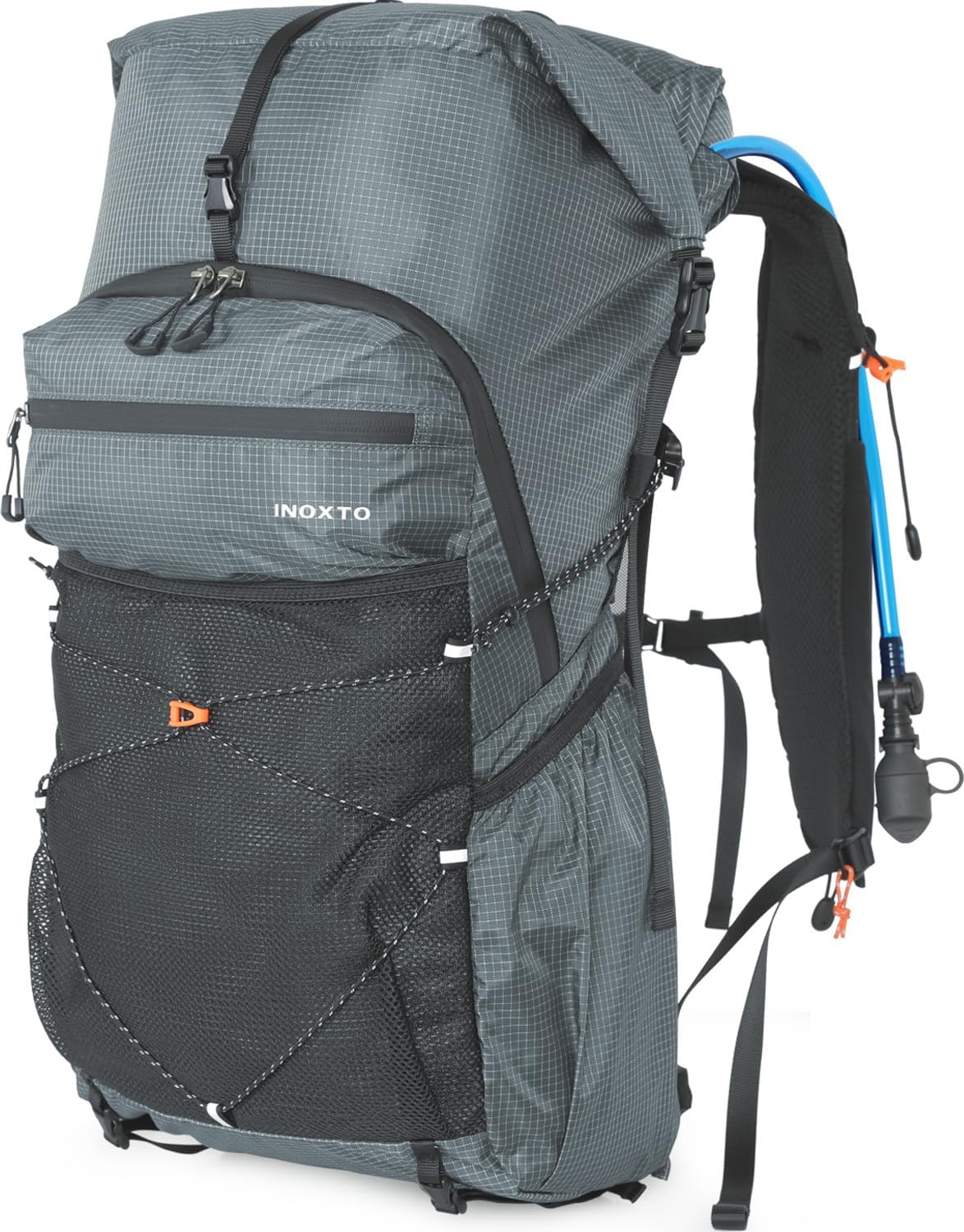 Visit on Amazon → Visit on Amazon →BECOJADDE 15L, Beige |
15L | Travel and warm-weather day trips | $24.02 |
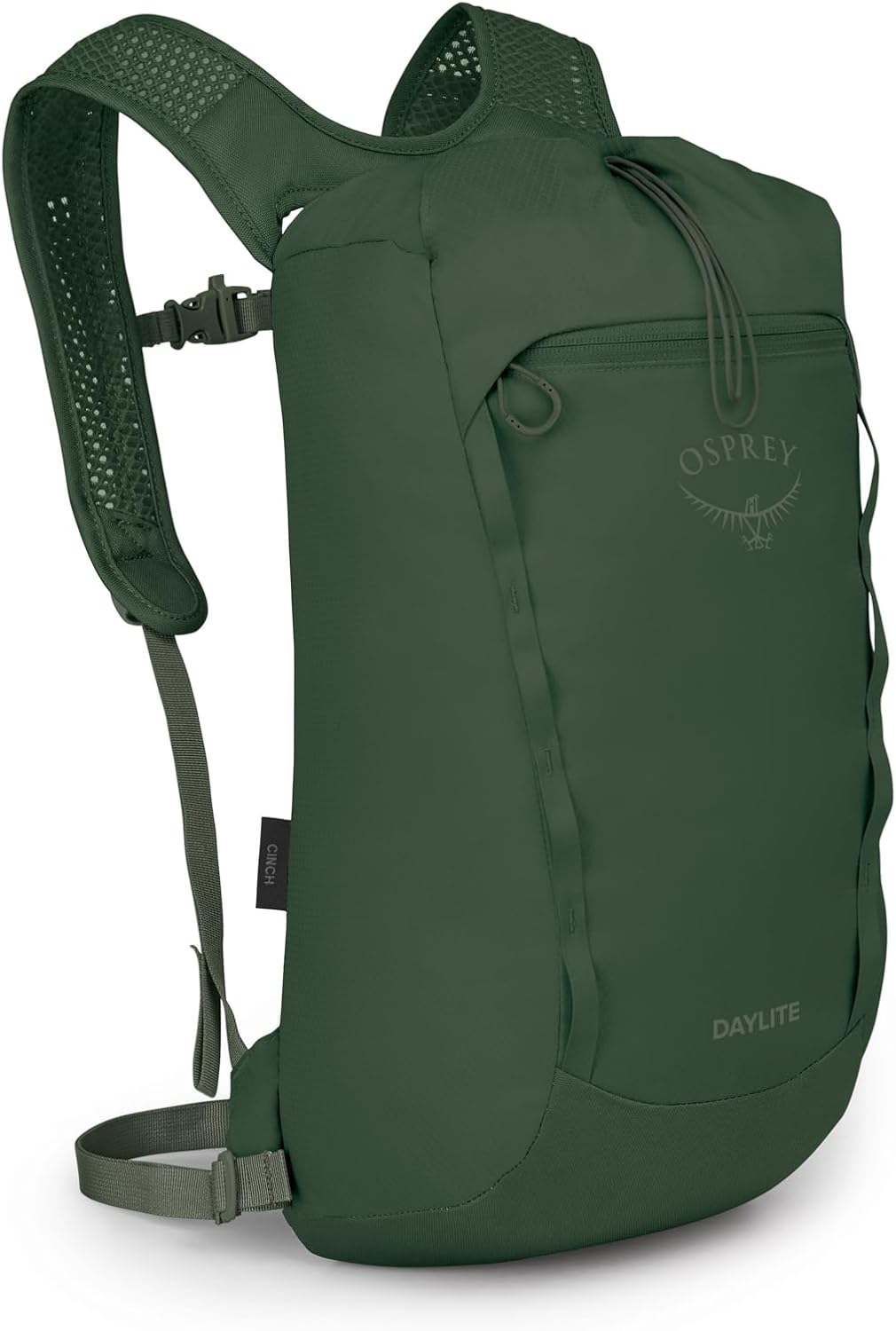 Visit on Amazon → Visit on Amazon →BECOJADDE 15L, Gray |
15L | Dirty trails, daily carry, hiding in a crowd | $24.29 |
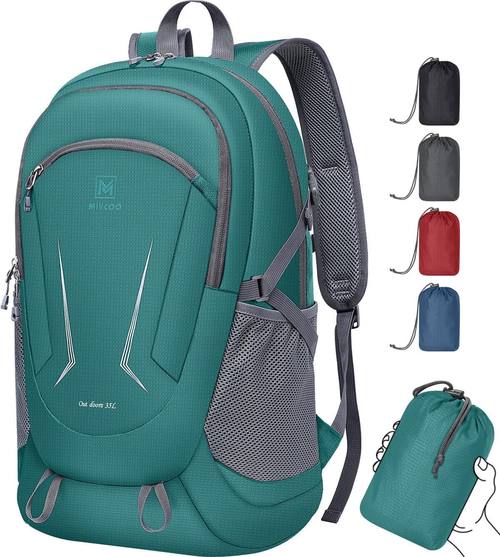 Visit on Amazon → Visit on Amazon →MIYCOO Ultralight Packable Backpack, 35L |
35L | Wet-weather day hikes, travel, light overnights | $19.99 |
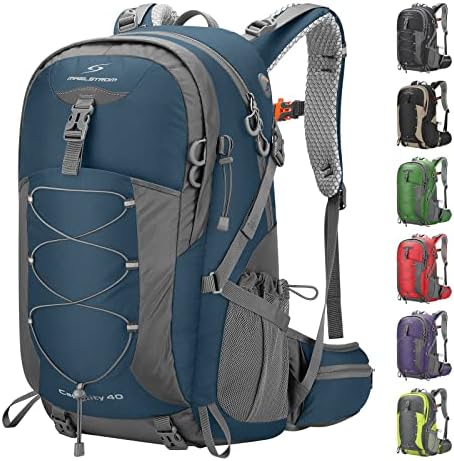 Visit on Amazon → Visit on Amazon →MIYCOO Ultralight Packable Backpack, 35L, second listing |
35L | Same pack, compare the two entries before buying | $19.99 |
The decision rule is simple. If your load fits in a jacket pocket and a water bottle, take the 15L. If it includes rain gear, a stove, or a sleeping layer, take the 35L. If you are not sure, lay everything out on the floor first. Guessing at capacity is how people end up carrying a bulging 15L with a sleeping bag strapped to the outside, which is the least comfortable way to travel that I know of.
Should you buy the BECOJADDE 15L?
Yes, if you want a pack that disappears into your luggage and comes out for short days. Fifteen liters holds a shell, water, snacks, a phone, and a small camera, and that is the honest ceiling. There is no frame and no load transfer, so keep the total under about ten pounds and it rides fine on your shoulders.
Pick Beige if you want something that looks like a travel bag and stays cool in the sun. Pick Gray if you would rather not see every mile of dust on the fabric. Neither one is a hiking pack for a full day in the alpine, and neither one pretends to be. It is a daypack that folds flat and does a specific job well.
Should you buy the MIYCOO 35L?
Yes, if you need volume more than structure. Thirty-five liters handles a travel load, a wet-weather day hike, or a light summer overnight, and the waterproof construction is a genuine advantage in this part of the country. Just understand what you are buying. A pack this light is still a frameless sack with straps, and loading it past about twenty pounds means your shoulders will file a complaint long before your hips get a vote.
Between the two MIYCOO listings, compare the images, confirm which variant you are actually ordering, and take the better price. There is no clever answer hiding there. It is the same pack twice, and the only real decision is the one you already made when you chose 35 liters over 15.