Related: Torso Length: The Measurement That Decides Whether a Backpack Fits
Most people buy a daypack the way they buy a t-shirt. Pick a color, guess a size, hope for the best. Then they load it with three liters of water, a rain shell, and lunch, and wonder why their shoulders ache by mile six.
I have carried a backpack something like 8,000 miles in the last five years, and here is what that mileage taught me about lightweight hiking daypacks: they live or die on one measurement, and it is not the liter count on the product page. It is torso length, the distance from the bump at the base of your neck to the top of your hip bones. Get that wrong and even a well-built pack rides on your shoulders instead of your hips, which is the opposite of how a pack is supposed to work. The hip belt does about 80 percent of the job. Everything else, the pockets, the compression straps, the backpanel, is organization stacked on top of that.
This guide covers four packs I would put in front of a friend, from a 15 liter packable daypack that folds into its own pocket to a women's-specific 22 liter pack with a real suspension. I will tell you which one I would hand to which person, and where each one gives up.
Best Overall: Osprey Tempest 22L Women's Lightweight Hiking Backpack
If you are going to own one daypack and you want it to be the last one you think about, this is the one. The Tempest is women's-specific, which in practice means the harness and the hip belt are shaped for a shorter torso and a different hip structure than a unisex pack, and the backpanel is structured rather than a flat slab of foam. That structure is the whole point. It holds the pack off your spine, it keeps the load from sagging away from your back, and it gives the hip belt something to anchor against.
Osprey's warranty is the other half of the argument. I have watched people send in a pack a bear chewed and get a replacement. That matters when you are spending real money on something you plan to keep for a decade.
Two cautions. First, it comes in one size, so measure your torso before you order, not after. Second, it is a framed pack, which means it is not the pack you stuff into a stuff sack for the trip where the daypack is the backup. It is the pack you carry on purpose. For a full day of hiking with water, layers, and a camera, that trade is worth it.
Best Value: Osprey Daylite Cinch Backpack
The Daylite Cinch is the pack I recommend to people who want Osprey build quality without the Tempest price, and who do not need a load hauler. The cinch closure is the tell: one big opening, a lid, and very few places for a zipper to fail. Fewer moving parts, less to break, less weight, less money.
It is a good travel and commuting pack and a good light day hike pack. What it is not is a pack that transfers a heavy load to your hips. There is no serious hip belt here, and there does not need to be. Keep the load under about 15 pounds, water and a jacket and snacks, and it carries fine on your shoulders.
If your hikes are 4 to 8 miles with modest loads, and you also want something that looks normal on a train, this is the smart buy in this group. If you are planning 12 mile days with a full water carry, spend the money on the Tempest instead.
Best Budget Packable: MIYCOO Ultralight Packable Backpack, 35L
This is the pack you keep folded in your luggage for the day your trip turns into a hike, or the one you hand a friend who showed up without a pack. It is packable, it is listed as waterproof, and it is 35 liters, which sounds like a lot more pack than the Osprey options until you remember what the liter count actually measures.
Thirty five liters in a packable frameless bag and thirty five liters in a framed pack are not the same experience. Without a frame, there is nothing to push the load into your hips, so everything rides on your shoulders. Under about 15 pounds this is fine and even pleasant. Above that, a frameless pack punishes you, and 35 liters of capacity is an invitation to fill 35 liters.
Two things to check on the listing before you buy: whether the seams are taped or just the fabric is coated, because "waterproof fabric" and "waterproof pack" are different claims, and whether the sternum strap adjusts while you are walking. It is a genuinely useful piece of gear at a budget price. Just do not ask it to be the Tempest.
Best Small Packable Daypack: BECOJADDE Hiking Backpack 15L
Fifteen liters is the size that gets ignored and should not be. This is the summit pack, the travel day bag, the pack you take on a city walk and a short trail in the same afternoon. It is water resistant, it is lightweight, and the shoulder strap pockets mean your phone and your snacks are reachable without taking the pack off, which is a small thing that matters more than it sounds like it does.
At 15 liters there is no case for a hip belt, so do not judge it for lacking one. Judge it on the straps, which should be padded enough not to cut in when the pack is full, and on the pockets, which should be reachable while you are walking. A pocket you have to stop and take the pack off to use is a pocket that may as well not exist.
The beige colorway is the one most people will end up with, and it hides trail dust better than you would expect.
How I test daypacks
Every pack goes through the same protocol, and it starts before the pack ever gets loaded.
Step one is the tape measure. Torso length, C7 to the top of the iliac crest. If the pack's stated torso range does not include that number, the review is over. Fit beats features every time, and a pack that does not fit is worse than a cheaper pack that does.
Step two is the loaded hike. Ten miles, with the load I would actually carry on that route: water, layers, food, a first aid kit. Not a bag of pillows, not an empty shell. Real weight, real terrain.
Step three is the hip belt transfer check at mile 8. By then your body has stopped being polite about the pack. I loosen the shoulder straps for a few steps and see how much of the load stays on my hips. If the pack dumps onto my shoulders when I do that, the belt is not doing its job.
Step four is the 30 day daily carry trial. Packing it, unpacking it, zipping it, reaching for things while walking. This is where pockets get judged and where a pack that seemed fine on the trail starts to annoy you.
I log all of it in a grams-per-mile logbook, because weight is not a number on the tag. It is how the pack feels at mile 8 with a full load.
Analysis: what separates these four packs
The real difference between these packs is not brand. It is structure, and structure is a trade.
The Tempest and the Daylite Cinch have a framesheet or a structured backpanel. That costs weight and it costs packability, and in exchange the pack holds its shape and puts the load where it belongs. The MIYCOO and the BECOJADDE are frameless by design, which is why they fold, and which is why they are shoulder-carried packs. Neither approach is wrong. They are for different days.
Capacity is the number people misuse. A frameless 35 liter pack will carry a 20 pound load worse than a framed 22 liter pack will, because the frame is doing work that capacity cannot. If you are deciding between them, decide on load first and liters second.
Pockets are where budget packs quietly lose. The test is simple: can you reach it with the pack on and the sternum strap closed? Shoulder strap pockets on the BECOJADDE pass that test. A hip belt pocket that sits behind your hip does not, and a pack is only as good as its worst pocket.
Hip belts are where mid-range packs lose. A belt that rides up onto your waist instead of sitting on the crest of your hips cannot transfer load, no matter what the spec sheet says. When you try a pack on, cinch the belt and walk around the store. If it climbs, walk away.
Rain protection is the last thing people think about and the first thing that ruins a day. A rain cover that fits the pack but not the load is useless. If you are carrying a packable daypack in a downpour, remember that coated fabric does not mean sealed seams, and a dry bag inside costs almost nothing.
The daypack reference table
| Pack | Capacity | Torso fit | Best for | Price |
|---|---|---|---|---|
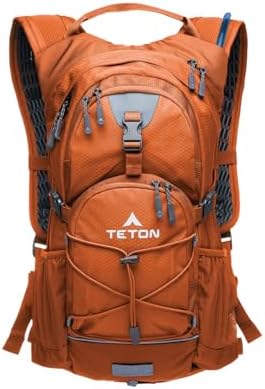 Visit on Amazon → Osprey Tempest 22L Women's |
22L | Women's specific, one size | Full day hikes with a real load | $165.00 |
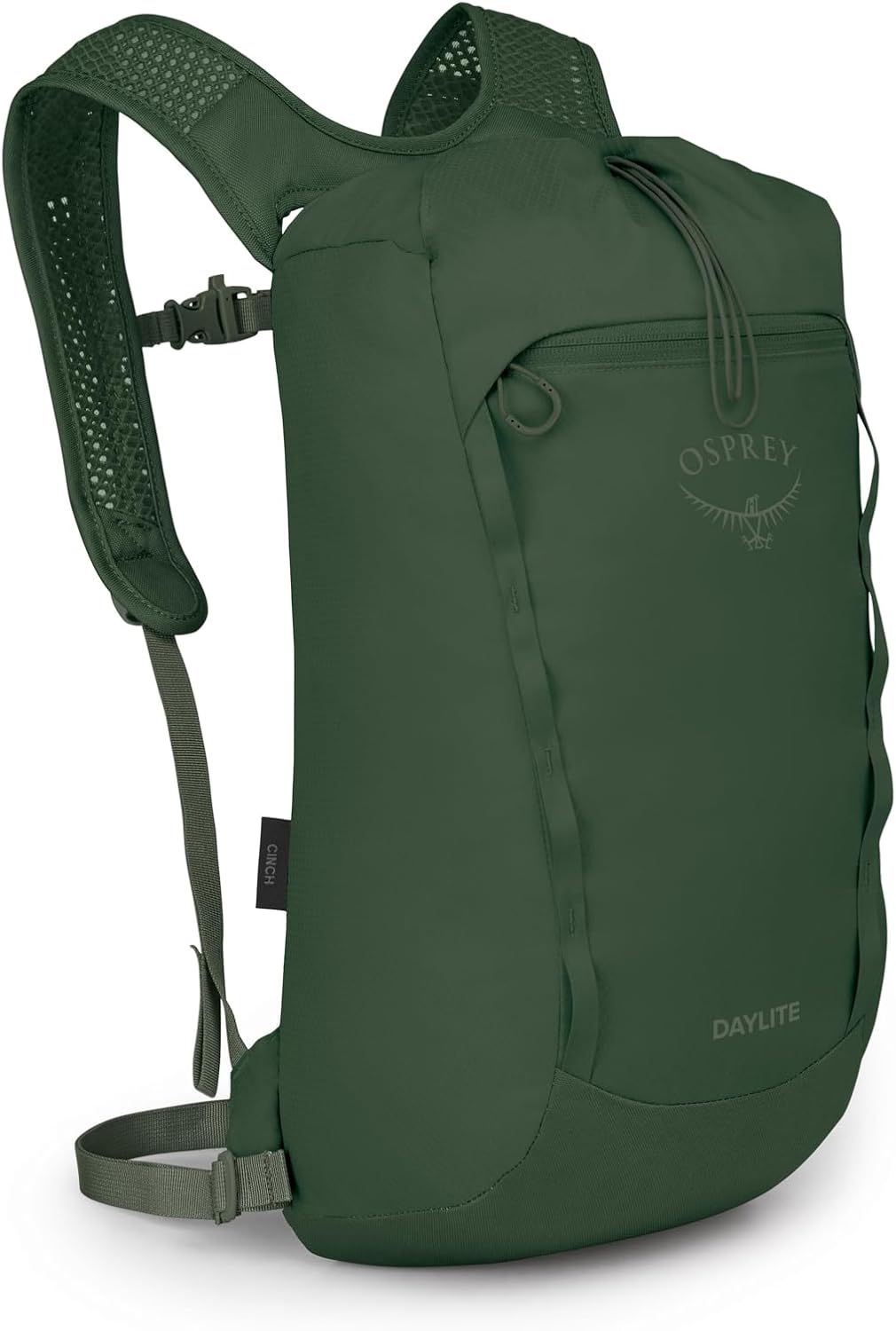 Visit on Amazon → Osprey Daylite Cinch |
Not listed | One size | Travel, commuting, light day hikes | $60.00 |
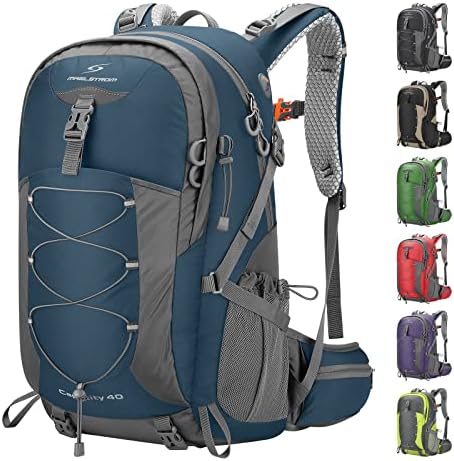 Visit on Amazon → MIYCOO Ultralight Packable |
35L | One size, packable | Backup pack, travel day hikes, light loads | $19.99 |
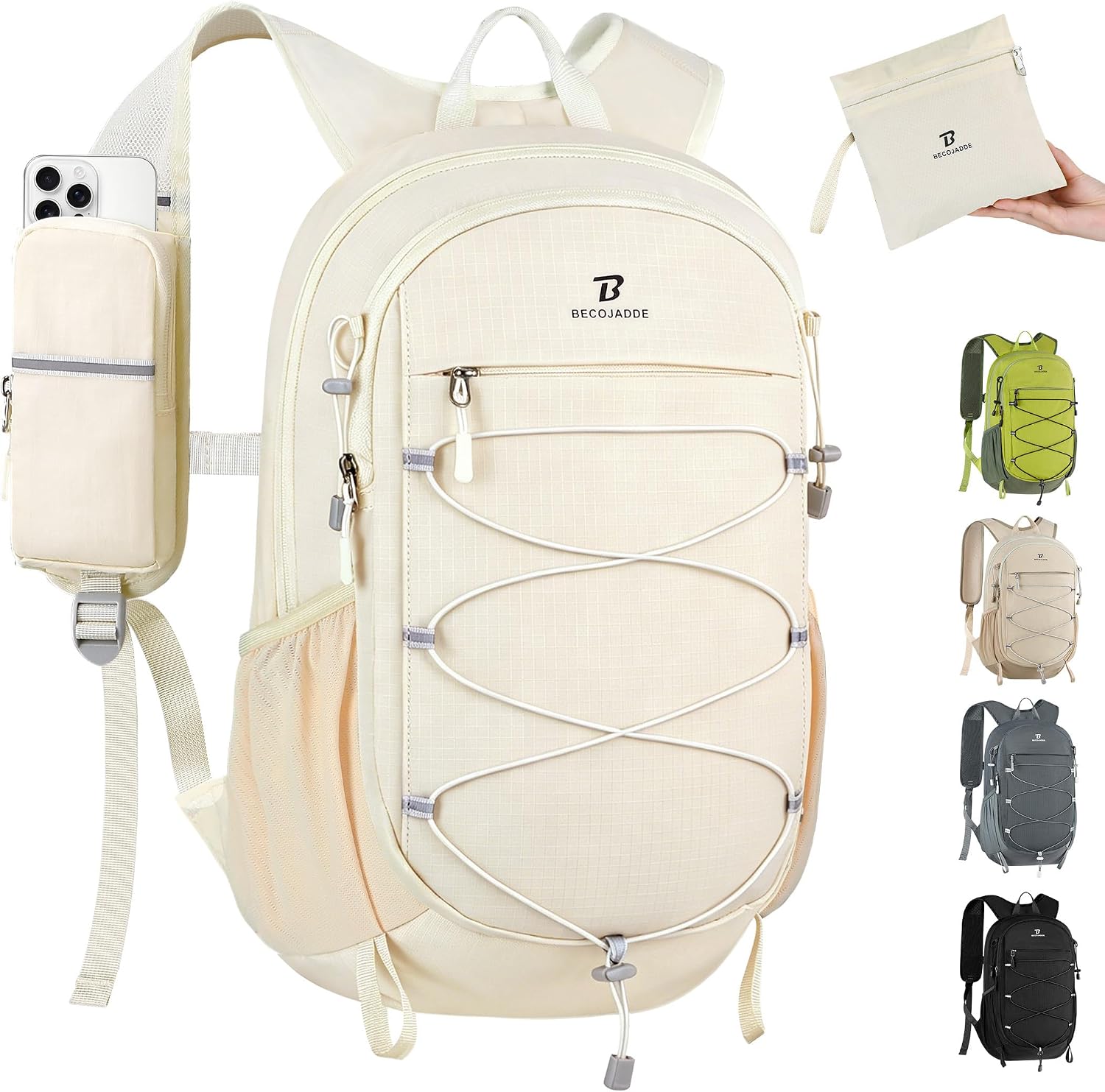 Visit on Amazon → BECOJADDE 15L |
15L | One size, packable | Summit packs, city to trail days | $25.19 |
Should you buy the Osprey Tempest 22L Women's?
Yes, if you want one daypack that carries a real load. It is the only pack in this group with a structured backpanel and a hip belt built to take weight off your shoulders, and the Osprey warranty is the best in the business.
Measure your torso first. It comes in one size, and no amount of features makes up for a harness that does not match your frame.
Should you buy the Osprey Daylite Cinch?
Yes, if your loads stay light and you want simplicity. The cinch closure means one big opening and very few places for a zipper to fail, and it looks normal on a train or in a city.
It is not a load hauler. Keep it under about 15 pounds and it carries fine. Plan on 12 mile days with a full water carry and you should be looking at the Tempest.
Should you buy the MIYCOO Ultralight Packable 35L?
Yes, as a backup pack or a travel daypack you keep folded in a suitcase. It is frameless, so everything rides on your shoulders, which is fine under about 15 pounds and punishing above it.
Thirty five liters of capacity is an invitation to fill 35 liters. Be honest about what you will actually put in it, and it earns its place.
Should you buy the BECOJADDE Hiking Backpack 15L?
Yes, for short days, summit pushes, and city to trail afternoons. Fifteen liters is the size people skip and should not.
The shoulder strap pockets keep your phone and snacks reachable while you are walking, which matters more than it sounds like it does. If you need to carry layers, water, and a camera for a full day, size up.