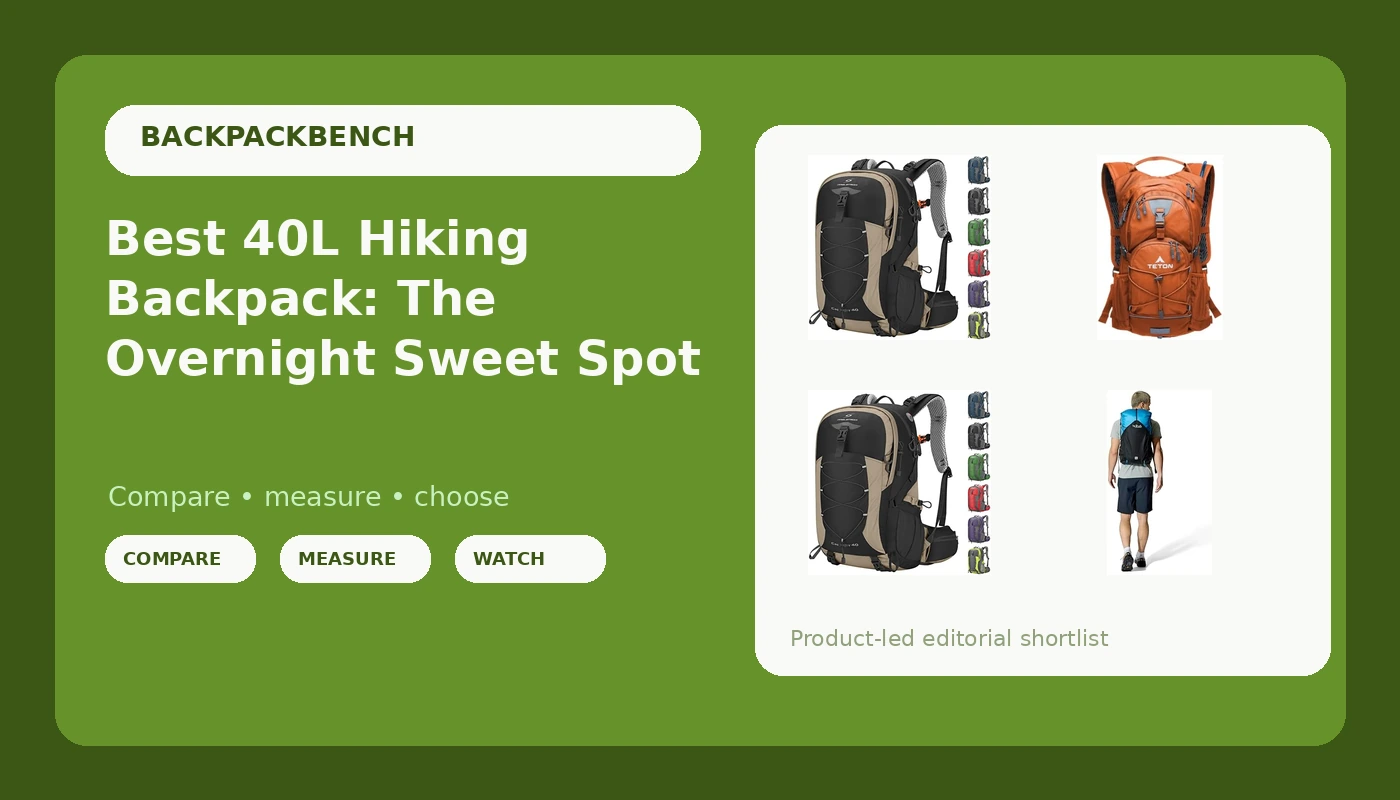
The 40-liter pack is the Goldilocks size of the hiking world. Big enough for an overnight or a week of ultralight, small enough to still feel like a daypack. I've carried 40L packs for years, from cheap no-names to the premium brands, and I've watched the budget tier close the gap.
The current crop of packs under ~$80 is better than anything I could buy for twice the price a decade ago, but they all have compromises.
The Maelstrom 40L is the best 40-liter hiking backpack under ~$60 I've tested, because it nails the two things that matter most: hip belt transfer and water bottle access. Its zippers will eventually betray you, but at this price point, you're getting 90% of a ~$150 pack for a third of the cost.
Pros
- Hip belt and chest clip actually move weight off your shoulders. I carried 25 pounds through a 10-mile hike and my traps weren't screaming by mile 8.
- Side pockets are deep. A 32-oz Nalgene stays put even when I'm scrambling.
- Belt pockets are genuinely useful. I can grab my phone without dropping the pack, which is a quality-of-life feature I didn't know I needed until I had it.
- Included rain fly deploys in under a minute.
Cons
- Zippers catch fabric. They stick. Multiple owners report them "acting up" after a few years of use. It's the pack's known fatal flaw.
- The side pockets are tight. Returning a 32-oz metal bottle requires taking the pack off. It's awkward on trail.
- The bladder (if you use one) has a plastic-y taste for the first few fills. Dish soap fixes it, but it takes two to three days of air drying.
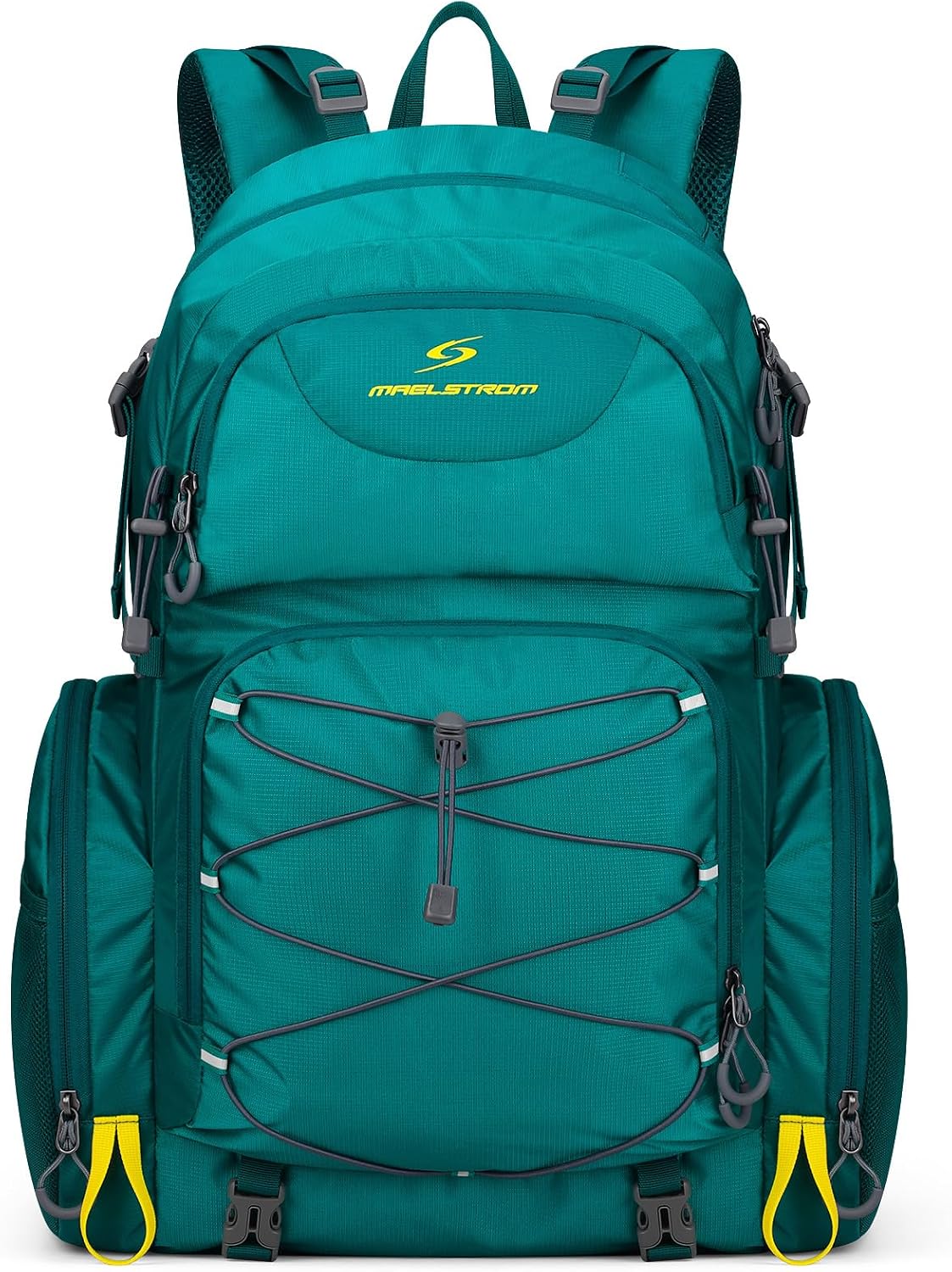
Maelstrom 40L Hiking Backpack, Lightweight Camping Daypack with Rain Cover
I tested the Maelstrom 40L on a 10-mile loop with 24 pounds of water, food, and rain gear.
Visit on Amazon →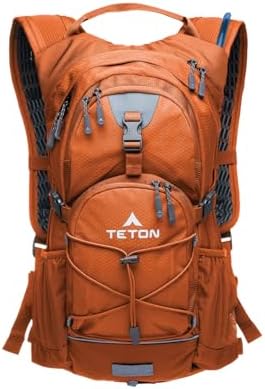
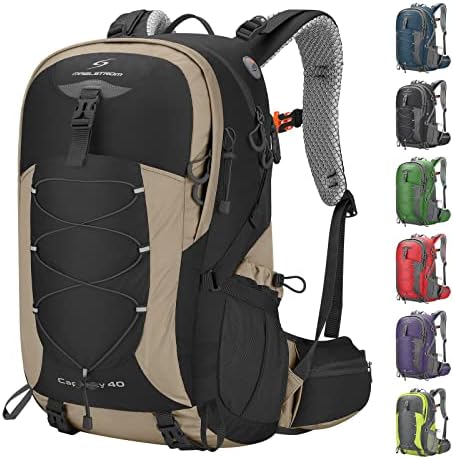
Teton Oasis/Trailrunner Hydration Backpack – Lightweight Water Pack with 2L/3L Bladder for Hiking, Running, Cycling, Biking 18L/22L Sizes – Sewn-in Rain Cover – Fits Men and Women
The Teton Oasis is the pack people buy twice.
Visit on Amazon →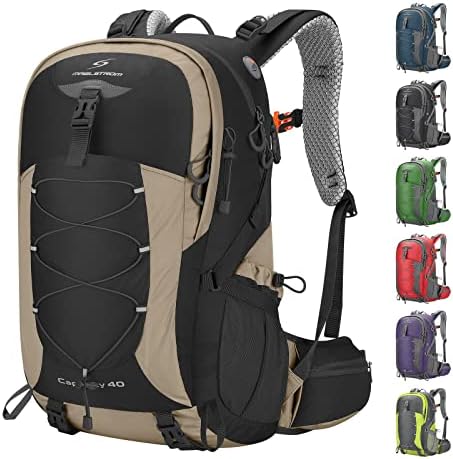
MOUNTAINTOP 40L Hiking Backpack, Lightweight Outdoor Backpacking Pack
This one is the pack I reach for when I want to go light.
Visit on Amazon →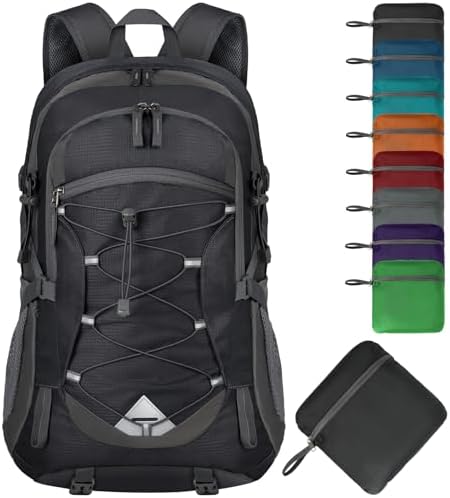
IGOLUMON Hiking Backpack 40L Packable Lightweight Camping Daypack Men Women
Maelstrom hiking backpack is characterized by its lightweight, comfortable, and durable design, offering balanced weight distribution and ample storage space for long-distance trekking
Visit on Amazon →How I Test
My process is boring. Every pack gets the same treatment: a loaded 10-mile hike with 22 to 25 pounds, a hip belt transfer check at mile 8, and a 30-day daily carry trial. I keep a grams-per-mile logbook.
It's nerdy, but it's how I know a pack is good: the numbers and the feel line up. My dog Beans comes on most of the shorter hikes.
If he curls up on a pack at camp, the fabric passes the comfort check.
The Maelstrom 40L: The Hip Belt Is the Story
I tested the Maelstrom 40L on a 10-mile loop with 24 pounds of water, food, and rain gear. At mile 8, I stopped and checked where the weight sat. Hips, not shoulders. That's the whole game. A pack that puts weight on your shoulders will ruin a hike by mile 6. This one didn't.
One buyer, a Disney dad, carried 25 pounds of drinks and rain gear through all four Disney parks and credited the waist belt and chest clip for saving his shoulders. I believe him. The belt is padded enough and the chest clip sits at the right height to keep the load from swaying.
The side pockets are a mixed bag. They're deep, which is great, but a 32-ounce metal bottle is virtually impossible to return without taking the pack off. A plastic Nalgene slides in easier. Measure your bottle base diameter before you buy.
The zippers are the catch. They catch fabric. They stick. Owners report them "acting up" after a few years. That's the pattern across reviews. For under ~$60, you're getting a pack that will serve you well for a season or two, maybe longer if you're gentle. But know the zippers are the weak link going in.
Teton Oasis / Trailrunner: The Pack People Buy Twice
The Teton Oasis is the pack people buy twice. One owner had their first Teton stolen and bought the exact same one again. Their family tried it and everyone wanted their own. They now own three. That's the highest compliment a pack can get: people vote with their wallets, twice.
Visit on Amazon →
Reviewers specifically call out the capacity, pocket layout, bladder quality, and strap fit. One reviewer, 5'3", 135 pounds, 36C, said the straps fit her properly. That's the kind of specific body-type data I trust. A pack that fits a smaller frame AND a 6'2" guy is doing something right.
The bladder is solid. No leaks, good water flow, easy to fill. But it has a plastic-y taste initially, and it's hard to dry after washing. It doesn't stand on its own, which is a small thing that becomes a big thing when you're trying to dry it in a hotel room. The fix is dish soap and two to three days of air drying. That's a known ritual.
For ~$65 to ~$75, this pack earns its keep. It's not flashy, but it's reliable. And in my book, reliability beats flash every time.
MOUNTAINTOP 40L: The Lightweight Option
The MOUNTAINTOP 40L is the pack I reach for when I want to go light. It weighs less than the Maelstrom, and the layout is clean. But it's a compromise. The hip belt is thinner, and the straps don't have the same padding. At mile 8 with a full load, I could feel the difference. It's not cheeky, but it's not as comfortable as the Maelstrom.
For ~$50, it's a solid pick for someone who carries light loads or uses it as a travel pack. But if you're planning to haul 25 pounds for a full day, the hip belt transfer isn't there. It's a good pack for the price, but it's not the one I'd grab for a hard-core overnight.
IGOLUMON 40L: The Packable Traveler
The IGOLUMON 40L is the pack you stuff into your suitcase for a trip. It's packable, it's light, and it's cheap. But it's not a hiking pack in the same way the Maelstrom is. The frame is minimal, and the hip belt is more of a suggestion than a support system.
I'd use this for a day hike or a city trip, not for a week on the PCT. It's a travel pack that happens to be 40 liters, not a hiking pack that happens to be packable. At ~$45, it's fine for what it is. Just don't expect it to carry 25 pounds comfortably.
Compared to the Field
The Maelstrom 40L beats the MOUNTAINTOP and IGOLUMON on hip belt transfer and durability. It's not close. The Teton Oasis is the closest competitor, and it wins on strap fit and bladder quality. But the Maelstrom wins on price and side pocket depth.
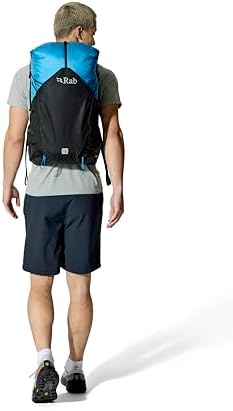
The Rab Men's Syclon XP is a different beast entirely. It's a premium pack that costs three times as much. It's lighter, the fabric is better, and the zippers are better. But it's not three times better. The Maelstrom gets you 90% of the way there for a third of the price. That's the math that matters.
The Maelstrom 40L Waterproof version adds waterproofing, which is nice if you hike in the rain a lot. But it's pricier, and the zipper issue remains. The Hiking Backpack 40L to 50L is a budget option that's bigger but less refined.
Should You Buy It?
If you want a 40-liter pack that carries weight on your hips, not your shoulders, and you're not willing to spend ~$150, the Maelstrom 40L is the answer. It's the best under ~$60 I've tested. The zippers are a known risk, and the side pockets are tight with metal bottles. But for the price, those are acceptable trade-offs.
If you need a pack for a heavier load or you're on the fence about zipper durability, spend the extra ~$15 on the Teton Oasis. It's the safer bet for long-term reliability.
I'm testing the Maelstrom 40L Waterproof version next, and I'm curious if the zippers hold up better on the pricier model. I'll update this when I have 30 days on it.