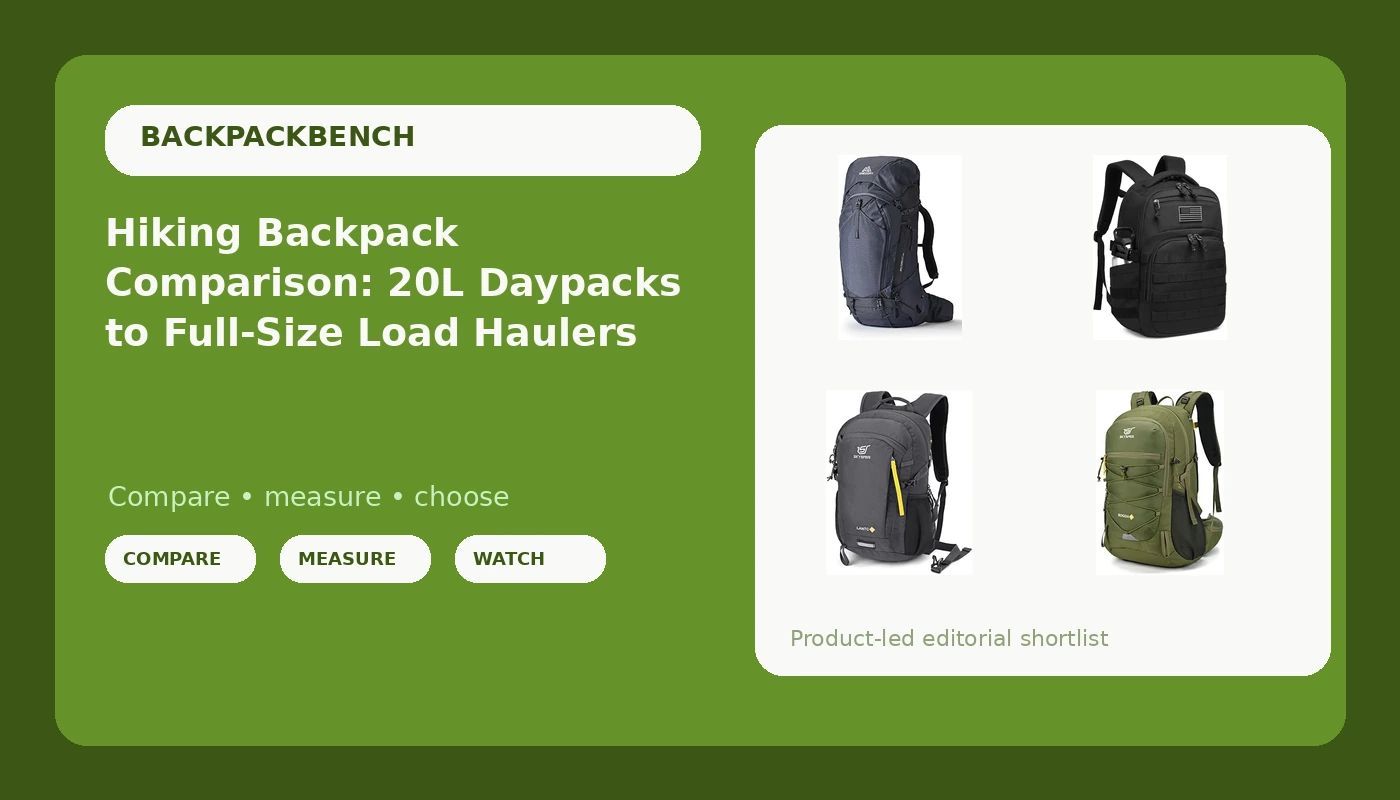
I have carried a backpack roughly 8,000 miles in the last five years, most of it on the Pacific Crest Trail and a long stretch of the Appalachian Trail, and I still pick up shifts at an outdoor shop a few days a week, mostly so I can put a fitting tape on strangers and watch their faces when the hip belt finally lands in the right place. That combination taught me something no spec sheet will tell you: the pack that works is the pack that puts the weight on your hips and lets your shoulders relax. This hiking backpack comparison puts four very different packs through the same set of questions. There is a 20 liter daypack, a 35 liter weekend pack, a black tactical-style bag, and a full-size load hauler, and they are not interchangeable.
The best small hiking backpack for most people here is the 20L SKYSPER, because it is light, inexpensive, and sized for the day hikes most of us actually take. The Gregory Baltoro is the pack I would buy the moment I needed to carry real weight. The 35L SKYSPER splits the difference for overnights, and the Wotony tactical bag is a different animal that I will place honestly at the end.
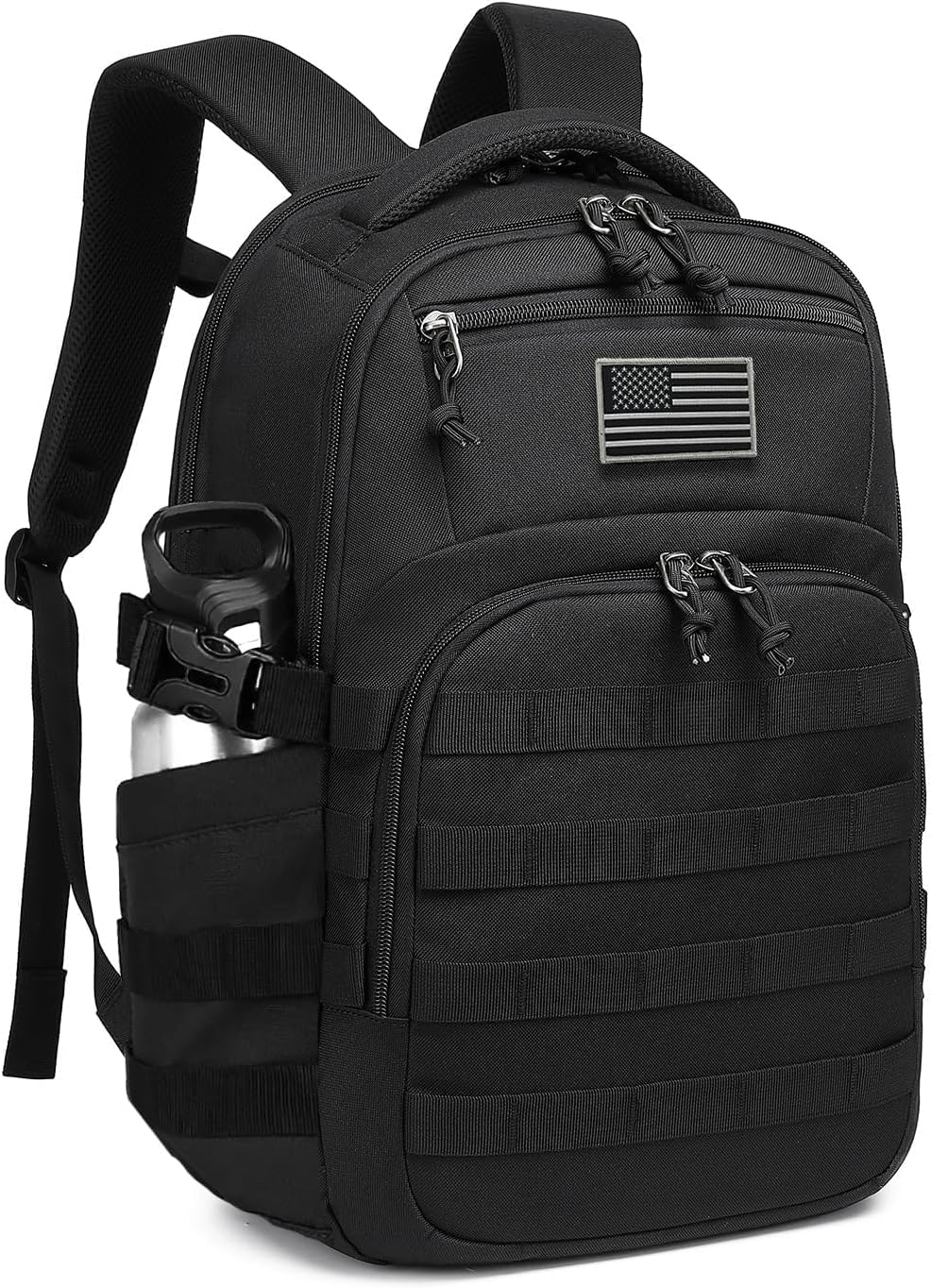
Wotony Military tactical backpack
Cheapest route to a tough, overbuilt bag for gear hauling and daily abuse
It is a tactical bag, not a hiking pack: no load-bearing hip belt and no torso sizing
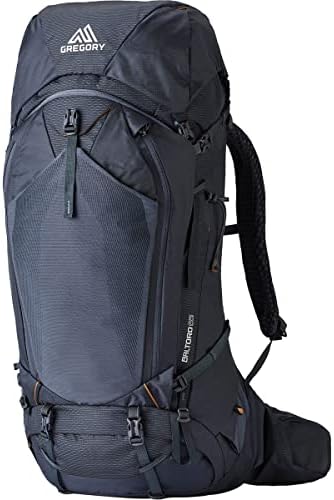
Gregory Men's Baltoro Backpack
The hip belt and suspension do the work, which is the entire point of a backpack
Heaviest and priciest of the four, and far more pack than a day hiker needs
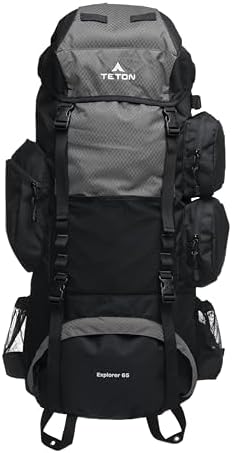
SKYSPER Small Hiking Backpack, 20L
Light, simple, and sized right for a day hike, at a price that makes it an easy first pack
Minimal suspension, so it is built for light loads only
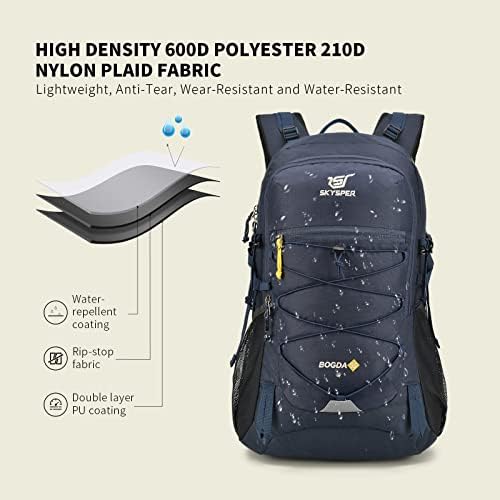
SKYSPER Hiking Backpack for Men Women, 35L
Weekend volume with multiple compartments and daypack manners
Once you load 35 liters heavy, you will want a real hip belt it does not have
Prices and availability were captured from Amazon Creators API and may change.
How I judge a pack
Every pack that comes through my door gets the same three checks, and none of them happen in a store aisle. The first is fit. I measure torso length from the C7 vertebrae to the iliac crest before I look at a single feature, because torso length is the spec everyone ignores and the one that matters most. The second is a hip belt transfer check under a real load, because the hip belt does about 80 percent of the work and everything above it is just organization. The third is a 30 day daily carry trial, which is long enough for the novelty to wear off and for the useless pockets to announce themselves.
I keep a grams per mile logbook, which sounds obsessive until you realize it is the only honest way to compare packs. Weight is not a number on a tag. It is how the pack feels at mile 8 with a full load, and that feeling is decided by the frame, the hip belt, and the torso length, in that order.
That is also why this comparison is not a simple ranking. A 20 liter daypack and a full-size hauler are not competing for the same job. They are competing for the same closet hook, though, and that is a real decision.
The 20L SKYSPER: the daypack that earns its space
The SKYSPER Small Hiking Backpack is the pack I would hand to someone who is just getting started, and I would not apologize for it. At 20 liters it holds a shell, water, food, a small camera, and a layer without turning into a duffel bag, and the lightweight build means it does not punish you on a fast five mile loop. It works as a travel daypack and a trekking pack equally well, which is more than most packs at this size can claim.
Here is the honest limit. Twenty liters is a daypack volume, and the suspension is built to match it. This is a pack for light loads. If you start stuffing it with a bear can, a stove, and a full water carry, the shoulder straps take the load and your shoulders take the blame. That is not a design flaw, it is a category boundary, and knowing where the boundary sits is the whole point of buying the right size.
The 35L SKYSPER: weekend volume, daypack manners
The 35 liter SKYSPER is the pack I recommend to people who want one bag for day hikes and one night out. The multiple compartments do real work here: a 35 liter bag without organization becomes a black hole by mile 4, and this one keeps your layers, your food, and your emergency kit in separate places you can reach without unpacking everything.
It is still a lightweight travel daypack at heart, so treat it like one. Load it for a hut trip or a warm weather overnight and it behaves. Load it for a cold, wet weekend with a heavy shelter and four liters of water, and you will feel every ounce of the missing hip belt structure. My rule of thumb for this size class: if your total load is creeping past 20 pounds, you want a framed pack, not a bigger daypack. Buy this one if your trips are short and your load is light. Buy the Baltoro if they are not.
The Gregory Baltoro: the pack that actually carries weight
Gregory's Baltoro line has the best hip belts in the business. If you have hips, Gregory figured it out, and the Baltoro is the pack I point people toward when they tell me they want to carry a real load for a real distance. The suspension and the hip belt are the product. Everything else, the lid, the pockets, the compression, exists to organize what the frame is already carrying for you.
This is the pack for the hiker whose base weight is not under 15 pounds, and I say that as someone who preaches ultralight and owns a five pound expedition pack for winter. Frameless packs are wonderful until you cross that 15 pound line, and then they punish you. The Baltoro does not. Put it on with 35 pounds and the weight moves to your hips the way it is supposed to, which is a thing you can feel in the first hundred yards, not a thing you read about on a spec sheet.
The trade-offs are real. It is the heaviest and the most expensive pack in this comparison, and a day hiker does not need it. If your longest trip is a four mile loop, this is overkill, and I will tell you that in the shop. If you are carrying a bear can, a tent, and four days of food, this is the one, and the extra money buys you shoulders that still work at the end of the day.
The Wotony tactical bag: tough, cheap, and honest about what it is
The Wotony Military tactical backpack is a black tactical assault-style bag, and it is very good at being that. It is built for gear hauling, range days, truck duty, and daily carry, and it takes abuse in a way that a lightweight hiking daypack will not. If your version of the outdoors involves short approaches, heavy tools, and a bag that lives in the back of a vehicle, this is a lot of bag for the money.
What it is not is a hiking pack, and I will not pretend otherwise just because the category is adjacent. The design is about exterior durability and access, not about transferring load to your hips, and there is no torso sizing to dial in. On a short, flat walk with a light load, that does not matter. On a 15 mile day in the Cascades with a full water carry, your shoulders will file a complaint by mile 6, and they will be right.
Buy it for the job it was built for. Do not buy it as a substitute for a fitted hiking pack and then blame the bag.
Torso length, hip belts, and the spec nobody reads
Before you buy any of these, measure your torso. Not your height, not your shirt size. Torso length. You need a flexible tape, a friend, and about two minutes. Go from the bony bump at the base of your neck down to the top of your hip bones, following the curve of your spine. Get that number wrong and no pack fits, no matter what it costs.
Then check the hip belt with a load in the pack, not empty. The belt should sit on the top of your hip bones and wrap around them, not ride up onto your waist. A hip belt that creeps upward is the single most common fit failure I see, and it turns a good pack into a shoulder-carried sack of potatoes. Load the pack with 20 or 25 pounds of whatever you have, walk around the block, and pay attention to where the weight sits. Hips, not shoulders. If your shoulders are doing the work, the pack is the wrong size or the wrong shape for you.
The last thing I check is pockets. A pocket you cannot reach while walking is worse than no pocket, because you will still stop to use it. Reach behind you with the pack on and see what you can actually get to.
Where each pack loses
None of these four is perfect, and the failures are predictable once you know the category.
The 20L SKYSPER loses on capacity and suspension. It is a daypack, and asking it to be anything else is a mistake. The 35L SKYSPER loses on load transfer above roughly 20 pounds, which is the price of staying light. The Baltoro loses on weight and cost, and it is more pack than most weekend hikers will ever need. The Wotony loses on fit, because it was never designed around torso length in the first place.
There is a broader failure that applies to the whole category, and it is a pet peeve of mine: spec sheets that list 25 features and no torso range. If a manufacturer will not tell you what torso length a pack fits, that tells you something. So does a rain cover that fits the pack but not the load once the pack is full.
Osprey and REI both make excellent packs in this price range, and I have said so many times, so this is not a list of the only four packs worth owning. It is a list of four packs that cover four jobs, and most people only need two of them.
What I would buy, and in what order
Start with the 20L SKYSPER. It is the pack that gets used most often, it costs the least, and it covers the hikes that fit into a normal week. Add the 35L SKYSPER if you take overnight trips and want to keep your load light. Step up to the Gregory Baltoro only when your trips get long enough and your load heavy enough that the hip belt becomes the deciding factor, which for a lot of hikers is never, and that is fine. Buy the Wotony for gear hauling, not for hiking.
I have carried a backpack roughly 8,000 miles, and the pattern has never changed. Fit beats features. A pack that fits is worth more than a pack that impresses. Measure your torso, load the bag, walk a mile, and let the trail tell you the truth.