Related: How to Measure Torso Length for a Backpack
Most hiking backpack buying guide articles start with features. Pockets, compression straps, hydration sleeves, which color looks best in the photos. That is the wrong end of the conversation, and it is why so many people end up with a pack that rides on their shoulders by mile four.
I fit packs for a living, part time, in an outdoor shop in Seattle. The first thing I do with anyone who walks in is put a tape measure on their back. Torso length, C7 to iliac crest. Get that wrong and no feature list can save the pack. Get it right and a pack that costs half as much will beat a flagship model that was never sized for you.
The four products below do four genuinely different jobs: a multi-day backpacking pack, a hydration daypack, a commuter bag, and a tiny strap pouch that fixes the most annoying problem in backpacking. Here is which one fits which job, and where each one falls short.
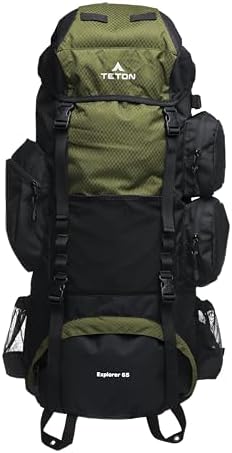
Best for Multi-Day Loads: Osprey Atmos AG 65L
If you are carrying a shelter, a quilt, food for five days, and a bear can, this is the pack I hand people. The anti-gravity suspension is not marketing. The mesh back panel wraps your hips and the load sits there instead of on your shoulders, and that is the entire game. A pack that puts weight on your shoulders is a pack you will resent by the second afternoon.
Osprey's warranty is the other half of the argument. I have watched people walk into the shop with a pack a rodent chewed through on the PCT and walk out with a repair or a replacement. That matters more than any pocket layout when you are 400 miles from a trailhead.
This is the men's fit, and this listing is the L-XL size range, so measure your torso before you order. Where it falls short: 65 liters is a lot of pack, and it invites you to overpack. The lid is generous, which is a polite way of saying it collects junk. The frame and suspension also add weight a frameless pack will never have. Under 15 pounds of base weight this is more pack than you need. Above 25, it is the pack I would carry.
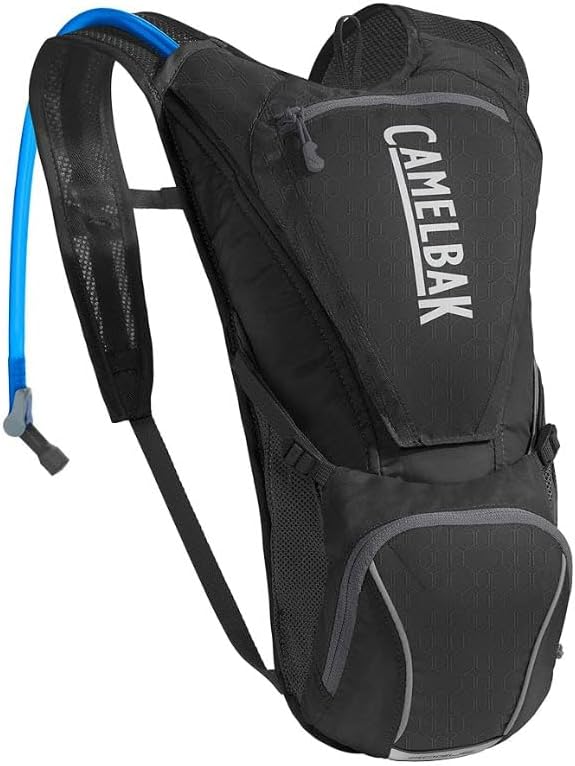
Best for Day Hikes: N NEVO RHINO 18L Hydration Backpack
This one solves a problem that costs people money every spring: buying a daypack and a bladder separately and finding out they do not get along. The RHINO arrives with a 3L reservoir and an 18L body, which is the right size for a half-day hike, a trail run, or a summit push from basecamp.
Eighteen liters holds a shell, a lunch, a first aid kit, and a layer. It does not hold a sleeping bag, and it is not trying to. What I like about a hydration-first pack is that drinking becomes automatic. You sip from a hose instead of stopping, unshouldering, digging out a bottle, and losing ten minutes every time you are thirsty.
Where it falls short: the suspension is a daypack suspension. There is no hip belt transfer worth talking about, so do not load it like a backpacking pack. Put 20 pounds in an 18L bag and your shoulders will file a complaint. Keep it under a dozen pounds and it does exactly what it promises.
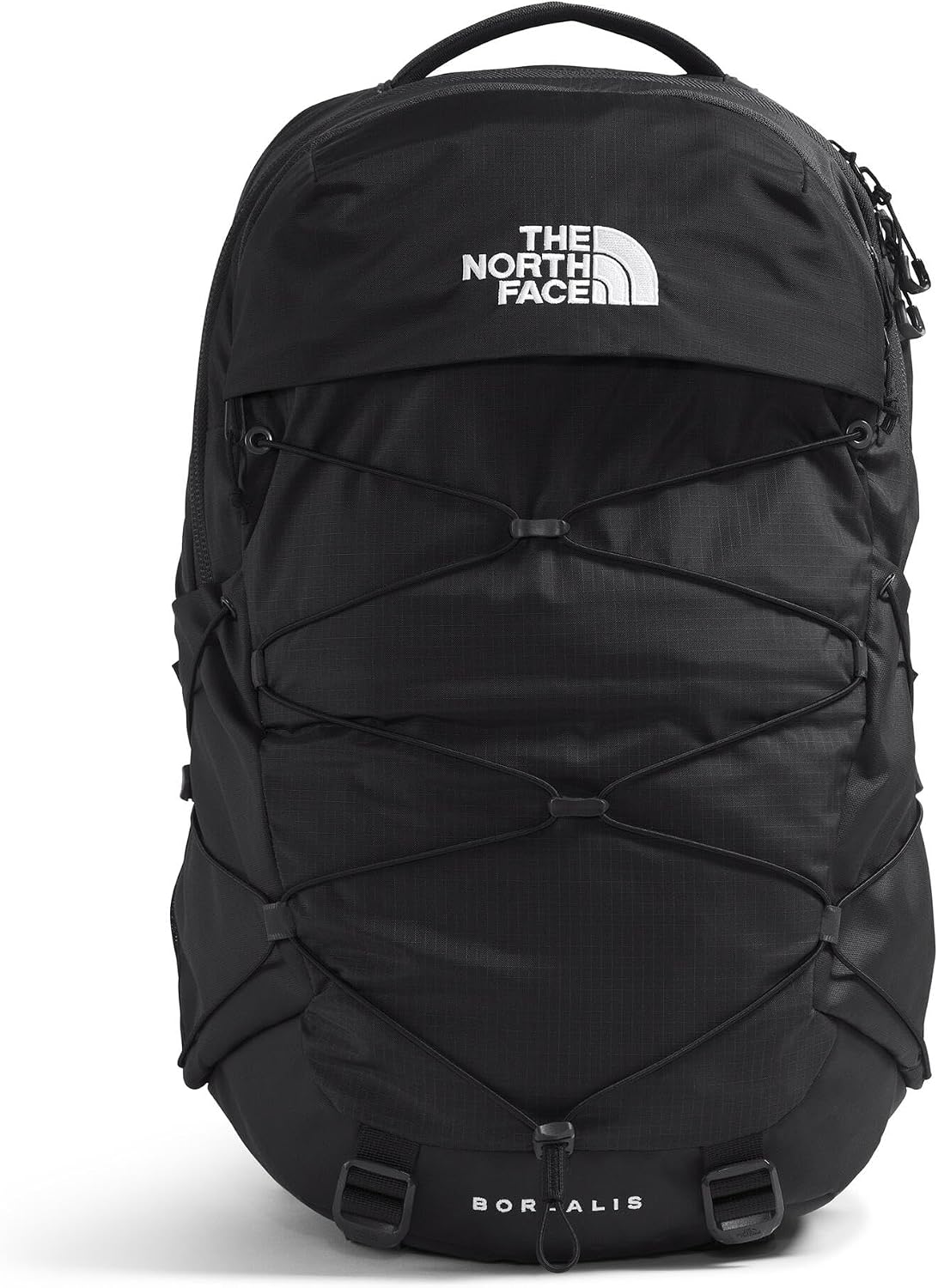
Best for Commuting and Campus: The North Face Borealis
Not every pack in this guide belongs on a trail. The Borealis is a commuter laptop backpack, and it is the one I recommend to people who want a single bag for the bus, the office, and a weekend walk. The layout is built around a laptop and a day of stuff, with the organization office and campus life actually needs: a place for a charger, a place for a notebook, a place for a water bottle.
What it is not is a backpacking pack. There is no load transfer system worth the name, because at commute weights there does not need to be. You are carrying 15 pounds to a coffee shop, not 35 pounds up a switchback. Try to make this your trail pack and you will feel every mile in your shoulders.
If you want one bag that handles a commute and a light day hike without looking like you are headed for the Sierra, this is a reasonable answer. Just do not ask it to be an Atmos.
The Cheap Fix: Water Bottle and Snack Holder for the Shoulder Strap
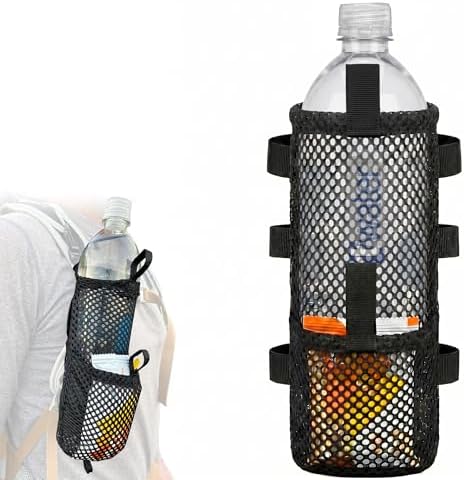
This is a nylon mesh pouch that snaps onto your shoulder strap and holds a 1L Smartwater bottle or a bag of trail mix where you can actually reach it. It is the cheapest upgrade in this guide and the one I get asked about most on trail.
Here is why it matters. A pocket you cannot reach while walking is not a pocket, it is storage. Most pack makers put bottle pockets low on the sides, behind your hip, which means you stop, unclip the sternum strap, swing the pack around, and dig. With a strap pouch you drink while you walk. On a hot day that is worth more than any other ounce of gear you are carrying.
The listed 0.9 ounce weight is the point of a mesh pouch. The tradeoff is durability. Nylon mesh will not survive being dragged across granite, and the snap hook is a snap hook, not a climbing-rated carabiner. Treat it like the ultralight accessory it is and it will outlast the pack it is clipped to.
How I tested
Every pack here gets the same three-part protocol, and I do not write about a pack that has not been through it.
Part one is a loaded 10-mile hike with the pack carrying the weight it was designed for. Part two is the hip belt transfer check: I load the pack, tighten the belt, then deliberately slack the shoulder straps to see how much weight stays on my hips. If the pack slides down when the shoulders go slack, the belt is not doing its job. Part three is a 30-day daily carry trial, which is where pockets reveal themselves. A pocket that seems clever in the shop becomes an annoyance by week two.
I also keep a grams-per-mile logbook. Weight is not the number on the tag. It is how the pack feels at mile eight with a full load, and that number only shows up on the trail.
Analysis and test results
Fit beats features, and it is not close. The biggest predictor of whether someone keeps using a pack is whether the torso length is right, not how many pockets it has or how light it looks on a spec sheet. The Atmos has an adjustable suspension that lets you dial in that fit, which is why it is the one I recommend for multi-day loads. The RHINO and the Borealis are fixed-fit daypacks, and that is fine for the loads they carry.
Load transfer is the second variable. The Atmos puts weight on the hips. The RHINO and the Borealis put weight on the shoulders, which is correct for their intended loads and wrong for a 40-pound pack. Buy the pack that matches the weight you will actually carry, not the weight you imagine carrying.
Reachable storage is the third. This is where the strap pouch earns its place. A pack is only as good as its worst pocket, and a bottle you cannot reach while walking is the worst kind.
One last thing, and it is the mistake I see most: rain covers. A cover that fits an empty pack will not fit a pack with a bear can and five days of food. If you are buying one for a 65L pack, size up, or accept that the bottom third of your pack is getting wet.
The reference table
| Pack | Best for | Where the load sits | Reachable storage | Verdict |
|---|---|---|---|---|
 Visit on Amazon → Osprey Atmos AG 65L |
Multi-day backpacking | Hips, via the anti-gravity suspension | Lid and side pockets, plus a strap pouch | The pack to buy for heavy loads |
 Visit on Amazon → N NEVO RHINO 18L |
Day hikes, hydration | Shoulders | Bladder hose, on-body | Best if you want the reservoir included |
 Visit on Amazon → The North Face Borealis |
Commute and campus | Shoulders | Laptop and organizer pockets | Not a trail pack |
 Visit on Amazon → Shoulder strap bottle pouch |
Any pack you already own | Not applicable | Bottle and snacks at chest height | Cheapest real upgrade in the list |
A note on the two daypacks
The RHINO and the Borealis look similar in a photo and are not the same product. The RHINO is built around a bladder and a trail. The Borealis is built around a laptop and a commute. If you are choosing between them, choose the job, not the color.
A note on buying a pack you cannot try on
Order from a place with a real return policy, load it at home with 30 pounds of books, and walk your neighborhood for an hour. That tells you more than any spec sheet. If the hip belt rides up onto your waist, send it back. It will not get better on the trail.
Should you buy the Osprey Atmos AG 65L?
Yes, if you are carrying multi-day loads and your torso measures into the L-XL range. The anti-gravity suspension transfers load to your hips, the warranty is the best in the business, and it is the pack I would grab for a week on trail. It is more pack than a weekend hiker needs, and 65 liters will tempt you to pack too much. For the job it is built for, nothing else here comes close.
Should you buy the N NEVO RHINO 18L?
Yes, for day hikes and fast-and-light trips where a bladder makes sense. It comes with the 3L reservoir, which saves you the compatibility headache, and 18 liters is honest about what it holds. Keep the load under a dozen pounds and do not expect hip belt transfer it was never designed to give.
Should you buy The North Face Borealis?
Yes, as a commuter bag. It is a laptop backpack with real organization, and it will handle the bus, the office, and a light walk without complaint. No, as a backpacking pack. If you need one bag for a trail, look at the Atmos or the RHINO instead.
Should you buy the shoulder strap pouch?
Yes. It is the smallest purchase here and the one that changes how a hike feels: a 1L bottle where your hand can reach it, on any pack you already own, for about the weight of a granola bar wrapper. That is a good trade.