Related: How to Measure Your Torso Length Before You Buy a Pack
Most people buy a daypack the way they buy a jacket: by the number on the tag. Twenty liters, thirty liters, whatever the shelf says. Then they load it, walk a mile, and start hitching the hip belt back up onto the waist, where it does nothing at all. Learning how to choose a hiking daypack takes about ten minutes once you know which three things actually matter, and none of them appear on the marketing panel.
I have carried a pack roughly 8,000 miles in the last five years: a full PCT thru-hike in 2021, long sections of the AT, and more wet Pacific Northwest day hikes than I can count. I also work part time in an outdoor shop, which means I spend weekends watching people try on packs in front of a mirror. The pattern never changes. Fit beats features, and a pack that matches your torso will outperform a more expensive pack that does not, every single time.
Fit first: the three numbers that decide everything
Torso length is the spec everyone ignores and the one that matters most. It is the distance from the C7 vertebra at the base of your neck to the top of your iliac crest, the bony shelf at the top of your hips. Get that number wrong and no amount of padding, ventilation, or clever pocketing will save the pack. You will feel it in your shoulders by mile two.
Load weight is the second number. Be honest about it. A 20 liter pack carrying eight pounds of water, snacks, and a shell is a completely different animal from the same pack carrying twenty pounds of camera gear and a bear canister. Volume tells you nothing about whether a pack can carry what you put in it.
Hip belt position is the third. The hip belt does about 80 percent of the work on any pack that carries real weight, and it only works when it sits on the iliac crest, not above it and not below it. If a hip belt rides up onto your waist while you walk, that pack is not transferring load, it is just hanging off your shoulders with extra steps.
Here is the practical version. Measure your torso, weigh your typical load, then look at packs that fit both. Everything else, the color, the lid, the number of pockets, is organization on top of a fit decision that has already been made.
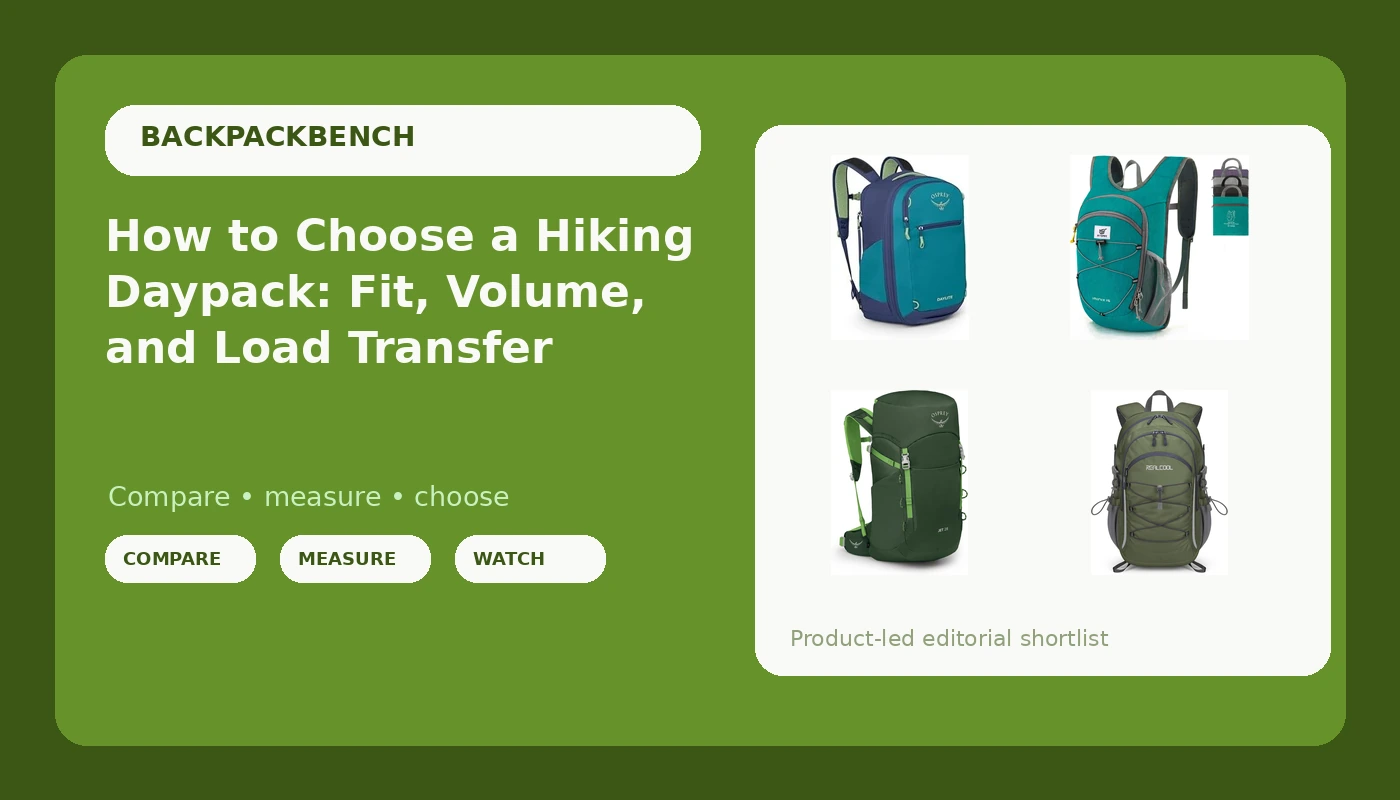
Best Overall for Most Day Hikes: Osprey Daylite Expandable 26+6
This is the pack I point most people toward when they ask for one daypack that covers more than one job. The Daylite Expandable 26+6 runs at 26 liters for a normal day out and then unzips to add six more liters when you are stuffing in a puffy layer, a resupply, or a laptop for a travel day. That expandable section is the whole reason to pick this version over a fixed-volume daypack.
Osprey is the best all-round brand in this category for a simple reason: the suspension actually transfers load, and the warranty is legendary. People keep Osprey packs for a decade because when a buckle cracks or a zipper fails, the company fixes it. That matters more on a pack you will use three days a week than any single feature.
The honest caveat is that a 26 liter pack with a light suspension has a ceiling. Load it to 25 pounds and you will feel every ounce on your shoulders, because the frame and hip belt are built for day loads, not expedition weights. Keep it under about 20 pounds and it is a comfortable, organized, do-everything daypack. The travel-pack framing also means it is slightly boxier than a pure trail pack, which some people love for packing cubes and some people find fussy on a narrow singletrack trail.
Best Value: RealCool 20L Lightweight Hiking Backpack
If the budget is tight and the hikes are short, the RealCool 20L is the sensible answer. It is a lightweight 20 liter daypack with a waterproof shell, and at this price point that combination is genuinely useful for a summer hike, a camping weekend, or a kid's first pack. Twenty liters holds a shell, two liters of water, lunch, and a first aid kit without much arguing.
Be clear-eyed about what you are buying. "Waterproof" in a product name rarely means submersible. It means the fabric sheds rain on a day hike, and you should still keep a dry bag around your phone and your insulating layer. That is true of packs costing five times as much, so it is not a knock on this one.
The bigger limit is the carry. At this price the suspension is simple, so plan on light loads and short distances. If you are carrying more than about twelve pounds, or if you have a long torso that never quite matches a one-size-fits-most harness, this is the pack that will send you back to the shop. Buy it for what it is: a cheap, light, weather-resistant daypack for easy miles, not a load hauler.
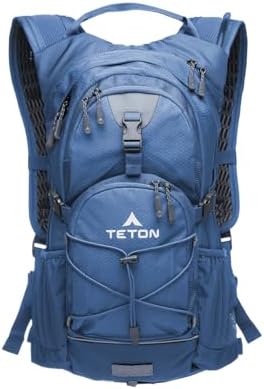
Best Packable Backup: SKYSPER Foldable Daypack
Every pack collection should have one of these, and this is the one I would grab. The SKYSPER folds down into its own small bundle, comes in 15 liter and 20 liter versions, and rides along inside a bigger pack or a suitcase until you need it. Chest strap included, which keeps the shoulder straps from sliding around when you are moving fast.
This is the pack for the trip within the trip. You fly somewhere with a travel pack, leave the big bag at the hotel, and carry the folded daypack for a walk to a viewpoint, a market run, or a summit day where you only need water and a layer. It is also the pack that lives in the bottom of a car for unplanned hikes, and the one you hand to a friend who showed up without a pack.
The trade-off is the same trade-off as every packable: the suspension is a chest strap and shoulder straps, not a load-transferring hip belt. Keep the load under about ten pounds and it disappears on your back. Load it like a real pack and it will remind you that you are wearing a folded bundle of fabric. Pack it with that ceiling in mind and it earns its place in the rotation.
Best for Kids: Osprey Jet 28L Kid's Hiking Backpack
The Osprey Jet 28L is built specifically for kids, and the fact that Osprey makes a dedicated kid's pack with the same warranty as the adult line is the reason I recommend it over a scaled-down adult pack. Kids carry weird loads, they drop packs, and they grow out of things fast. A warranty that covers the whole family is worth real money.
Twenty-eight liters is a lot of pack for a small child, so think of this as the pack for a tween or teenager who is carrying their own layers, water, and lunch on a family hike. A younger kid will do better with something smaller until their torso grows into it. That is not a flaw in the pack, it is just sizing, and it is the same reason adults do not buy a 70 liter pack for an overnighter.
Because it is one size, fit is the thing to check before you buy. Have your kid put it on with a real load in it, not an empty pack, and watch where the hip belt lands. Kids' hip bones are higher and their torsos are shorter, and a pack that rides low will have them complaining by the second mile. If it sits right, this is a pack that will survive several seasons of family hikes and then get handed down.
How we evaluate daypacks
Every pack that gets recommended here goes through the same framework, because a daypack review without a fit check is just a spec sheet with opinions attached.
Torso range comes first. If a pack does not offer a torso range that includes the person wearing it, nothing else on this list matters.
Load transfer comes second. Where does the weight sit when the pack is loaded and you are eight miles in? If the answer is "on my shoulders," the hip belt is decoration.
Weight comes third, and I mean the real weight, not the number on the tag. A pack that saves half a pound but carries badly is a bad trade every time.
Pocket reach comes fourth. A pocket you cannot reach while walking is worse than no pocket, because you will still stop to use it, and you will still be annoyed.
Durability comes last but it comes. Zippers, buckles, and fabric on high-wear corners tell you whether a pack has three seasons in it or ten.
Load transfer: what the hip belt is actually doing
The hip belt is the whole game on any pack carrying meaningful weight, and it is the first thing cheap packs get wrong. A proper hip belt is stiff, wide, and padded where it contacts the iliac crest. It wraps the hips and takes weight off the shoulders. A flimsy hip belt is a strap that floats up to your waist the moment you start climbing, which means you are carrying everything on your shoulders and your hip belt is just a belt.
The test is simple and you can do it in a shop. Load the pack with 15 to 20 pounds, put it on, tighten the hip belt so it sits on the crest of your hips, and then loosen the shoulder straps completely. If the pack stays put, the hip belt works. If it slides down your back, it does not, and you should walk away from that pack no matter how good the pockets are.
Torso length decides whether that test is even possible. A pack sized for a 19 inch torso on a 16 inch torso will put the hip belt somewhere near your ribs, and no amount of adjusting fixes geometry.
Daypack comparison table
This is the short version. Match the pack to the job, then confirm the fit before you buy.
| Pack | Volume | Best for | What to verify before you buy | Price |
|---|---|---|---|---|
 Visit on Amazon → Osprey Daylite Expandable 26+6 |
26L, expands to 32L | One pack for day hikes, travel, and light overnights | Torso range and whether the hip belt lands on your iliac crest under load | $107.12 |
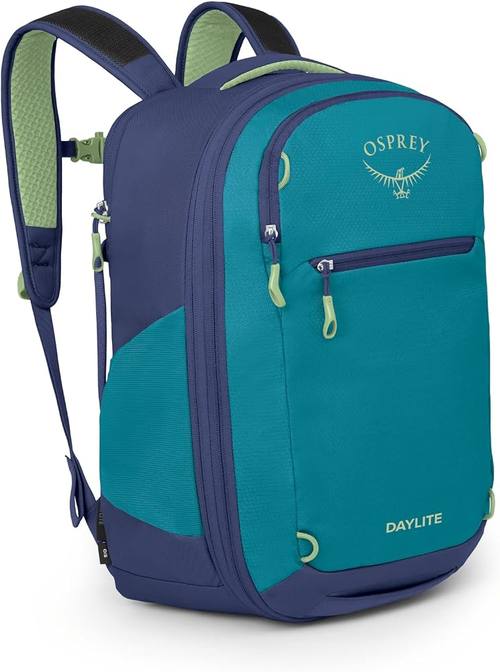
 Visit on Amazon → RealCool 20L Lightweight Hiking Backpack |
20L | Short hikes on a tight budget, camping weekends | Keep the load light, and pack a dry bag for electronics | $26.92 |
 Visit on Amazon → SKYSPER Foldable Daypack |
15L or 20L | A packable backup that lives inside a bigger pack | Which size you want, and the ten pound load ceiling | $19.96 |
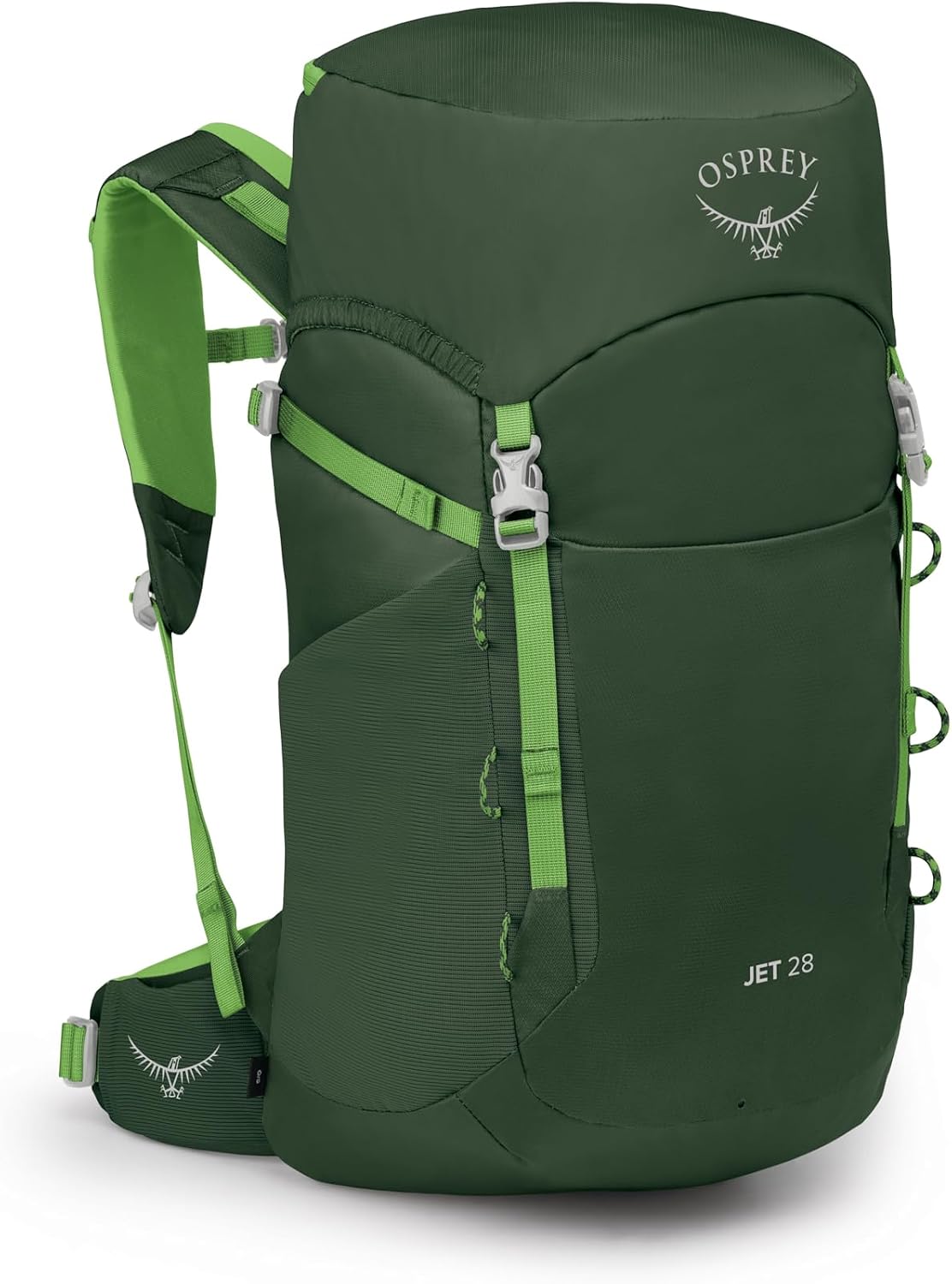 Visit on Amazon → Osprey Jet 28L Kid's Hiking Backpack |
28L | Tweens and teens carrying their own gear | Fit with a loaded pack, since it comes in one size | $103.44 |
Should you buy the Osprey Daylite Expandable 26+6?
Yes, for most people, most of the time. It is the pack I would buy if I could only own one daypack. The expandable volume covers the days when you need more room, Osprey's suspension and warranty are the best combination in the category, and it works as well in an airport as it does on a trail. Just confirm your torso length first, because fit is the only thing this pack cannot fix for you.
Should you buy the RealCool 20L?
Yes, if you are hiking short and light and the budget is real. It holds the essentials, it sheds rain, and it costs less than a tank of gas. No, if you plan to carry more than about twelve pounds, if you have a long torso, or if you want a hip belt that actually takes weight off your shoulders. At this price you are buying capacity and weather resistance, not suspension.
Should you buy the SKYSPER Foldable Daypack?
Yes, as a second pack. It is not the pack you build a hiking habit around, but it is the pack you are glad you have when a trip turns into a hike you did not plan for. Buy the 20 liter version if you want a little more room for layers, the 15 liter if you want it to disappear into a carry-on.
Should you buy the Osprey Jet 28L?
Yes, if you have a tween or teen who is ready to carry their own gear and you want a pack that will survive them. It is one size, so fit it loaded before you commit. For a younger child, wait a season or two, or size down, because 28 liters on a small frame is a pack that carries the kid rather than the other way around.